



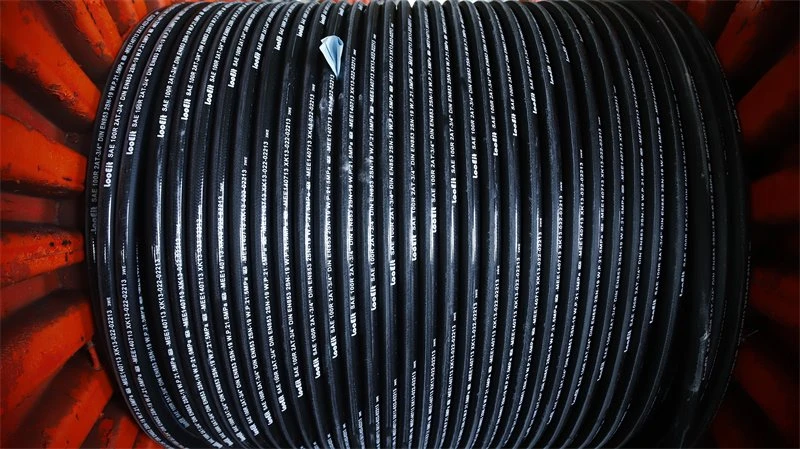


Rubber water pipes are a type of tubular product widely used in industry, agriculture, construction, and daily life to transport water, liquids, or gases. They are favored mainly due to the unique properties of rubber materials, including elasticity, corrosion resistance, wear resistance, and good temperature adaptability. Next, we will delve into various aspects of rubber water pipes, including their materials, uses, advantages, and selection and maintenance guidelines.
Rubber water pipes are mainly made of natural rubber or synthetic rubber. Natural rubber comes from rubber trees and has excellent elasticity and wear resistance. Synthetic rubbers, such as styrene butadiene rubber (SBR), chloroprene rubber (CR), and nitrile rubber (NBR), provide a wider range of properties such as oil resistance, heat resistance, and chemical resistance, making them suitable for specific industrial applications.
The application range of rubber water pipes is extremely wide. In the agricultural field, they are used in irrigation systems to efficiently transport water to crops. In industrial environments, rubber hoses are used for cooling systems, chemical transportation, compressed air transportation, and more. The construction industry uses rubber water pipes as temporary water supply pipelines, especially during construction. In addition, rubber hoses are also common in households, used for gardening watering, cleaning, and connecting household appliances.
Advantage:
1. Flexibility: Rubber water pipes have excellent flexibility, are easy to bend and install, and reduce the risk of leakage caused by hard pipe breakage.
2. Durability: The wear and corrosion resistance of rubber materials ensure the long service life of water pipes and reduce replacement frequency.
3. Temperature resistance: Rubber water pipes can maintain stable performance over a wide temperature range, and can withstand both high and low temperatures.
4. Cost effectiveness: Compared to metal pipes, rubber water pipes have lower costs and relatively lower maintenance costs.
5. Lightweight: Rubber water pipes are lightweight, easy to handle and install, reducing labor intensity.
Selection and maintenance
When choosing a rubber water pipe, it is crucial to consider the following points:
• Working pressure: Ensure that the rated pressure of the water pipe is higher than the actual working pressure to avoid bursting.
Size and length: Choose the appropriate diameter and length according to the application requirements.
•Material selection: Select the appropriate type of rubber based on the properties of the conveying medium.
•Environmental factors: Consider what environmental conditions the water pipes will be exposed to, such as ultraviolet radiation, chemicals, etc.
The key to maintaining rubber hoses is to regularly check for wear, cracks, or leaks, and replace damaged parts in a timely manner. Avoid prolonged exposure to extreme temperatures or ultraviolet rays to extend service life. When storing, heavy objects should be avoided from pressing on water pipes to prevent deformation.
Hot Tags: rubber water hose, China rubber water hose manufacturers, suppliers, factory, rubber hose factory, conductive rubber hose, medical rubber hose, rubber hose distributor, polyurethane rubber hose, light duty rubber hose


