



Hydraulic Rubber Hose DIN
Your Leading Hydraulic Hose Assembly Manufacturer in China!
JUYE JINTONGDA PIPE INDUSTRY CO, Ltd is a professional manufacturer of steel wire braided hydraulic tubing with various specifications from 1999. Now we produce 1SN, 2SN, 4SP and 4SH hydraulic hoses as per American standards of SAEJ517, standards of DIN. With competitive prices, stable products quality and timely delivery, we have established long-term business relations with customers from more than 50 countries.
Quality Assurance
Our parts are checked for quality assurance at multiple points of the manufacturing process to insure we supply the very best products to our customers. We perform hydraulic impulse and hydraulic pressure testing to guarantee safe and effective operation during field use.
Wide Range of Applications
We are the one-stop shop for you to get all hydraulic hoses. Our products are widely used in agriculture, construction, coal mining, machinery, garden industry, automobile industry, oil & gas industry.
Complete Qualifications
We can provide material certs, conformance certs, all levels of PPAPS and RoHS compliance statements, 3TG compliance statements and other documentation, just request the forms you need when placing your RFQ with our team.
Highly Skilled Technical Team
We employ fluid power and mechanical engineers with degrees, along with trained and certified specialists. These professionals are available for you to have direct access to and will help diagnose your particular system and provide you recommended solutions.


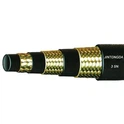

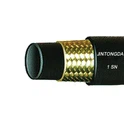
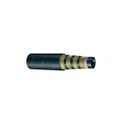
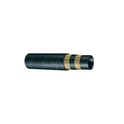

Hydraulic hose EN standard is another standard for certificated hydraulic hoses all over the world, the other standard is the SAE standard.
EN is the abbreviation of European Standards, also as DIN EN standard, and hydraulic hose EN standard will be printed on the surface of the hydraulic hose outer cover.
The hydraulic hose has different reinforcement, varied in braided and spiral hydraulic hose. Different braided and spiral layers can increase the pressure of the hydraulic hose pipe. And EN standard is commonly used for hydraulic hoses, including structures, drawings, specifications, and applications.
What We Can do?
Custom Ends
We can manufacture the exact hose end your application requires.
Lay Line Branding
We offer customized branding for your OEM assemblies.
High Gravimetricsshare
We have a cleanliness testing laboratory on site and can provide gravimetric reporting.
Pellet Cleaning
Our clean and pack area features an advanced pellet cleaning system.
Label / Ink Jetting
We provide many forms of custom labeling such as tags, ink jet printing, laser etching and more.
Our Featured Products
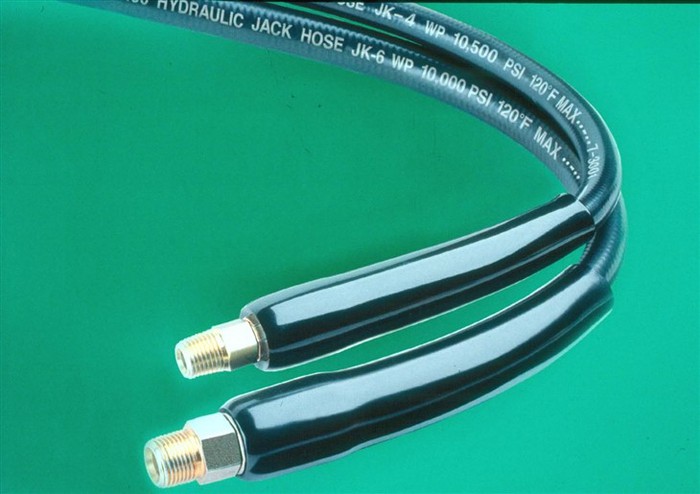
DIN EN853 1SN Hydraulic Hose | 1 Wire Braided Hydraulic Hose
DIN EN853 1SN hydraulic hose is structured with 3 parts.
Inner Tube
Oil-resistant synthetic rubber tube.
Reinforcement
Wire braided steel reinforcement.
Outer Cover
Oil and weather-resistant synthetic rubber cover.
Application
Petroleum-based hydraulic fluid, gasoline, water, diesel fuels, lubricating oils, glycol, mineral oils, and more.
DIN EN853 2SN Hydraulic Hose | 2 Wire Braided Hydraulic Hose
DIN EN853 2SN hydraulic hose is structured with 3 parts.
- Inner Tube: Oil-resistant synthetic rubber tube.
- Reinforcement: 2 wire braided steel reinforcement.
- Outer Cover: Oil and weather-resistant synthetic rubber cover.
- Application: Petroleum-based hydraulic fluid, gasoline, water, diesel fuels, lubricating oils, glycol, mineral oils, and more.

DIN EN856 4SH Hydraulic Hose | 4 Wire Spiral Hydraulic Hose
EN856 4SH hydraulic hose is structured with 3 parts.
- Inner Tube: Oil-resistant synthetic rubber tube;
- Reinforcement: 4 layers of spiral wire steel reinforcement;
- Outer Cover: Oil and weather-resistant synthetic rubber cover.
- Application: Petroleum-based hydraulic fluid, gasoline, water, diesel fuels, lubricating oils, glycol, mineral oils, and more.

DIN EN856 4SP Hydraulic Hose | 4 Wire Spiral Hydraulic Hose
EN853 4SP hydraulic hose is structured with 3 parts.
- Inner Tube: Oil-resistant synthetic rubber tube.
- Reinforcement: 4 layers of spiral wire steel reinforcement.
- Outer Cover: Abrasion, ozone, and weather resistant synthetic rubber.
- Application: Petroleum-based hydraulic fluid, gasoline, water, diesel fuels, lubricating oils, glycol, mineral oils, and more.

DIN EN857 1SC Hydraulic Hose | 1 Wire Braided Hydraulic Hose
DIN EN857 1SC hydraulic hose is structured with 3 parts.
- Inner Tube: Oil-resistant synthetic rubber tube.
- Reinforcement: 1 layer of braided wire steel reinforcement.
- Outer Cover: Abrasion, ozone, and weather resistant synthetic rubber.
- Application: Be suitable to carry hydraulic fluids, such as glycol, mineral oils, emulsion, hydrocarbons, etc.

DIN EN857 2SC Hydraulic Hose | 2 Wire Braided Hydraulic Hose
DIN EN857 2SC hydraulic hose is structured with 3 parts.
- Inner Tube: Oil-resistant synthetic rubber tube.
- Reinforcement: 2 layers of braided wire steel reinforcement.
- Outer Cover: Abrasion, ozone, and weather resistant synthetic rubber.
- Application: Be suitable to carry hydraulic fluids, such as glycol, mineral oils, emulsion, hydrocarbons, etc.

What are the Types of Hydraulic Rubber Hoses DIN?
Reinforced Rubber
This type of hydraulic hose is lighter than most metal type counterparts, and it will make it easier to move the hydraulic system. It can also be made more durable by adding a fiberglass or steel mesh which helps minimise bending, bulging, and scratching. Also, it can withstand high temperatures, and it can also be used to link with several hose fittings.
Steel Reinforced Teflon
There are times that hydraulic hoses made of steel are too cumbersome to use. So, you should try a Teflon (also known as PTFE) hydraulic hose with steel reinforcement because it has all of the benefits of steel hoses. Also, this type has an even higher heat resistance than rubber. If your system involves a boiler or a blast furnace, this type is the one that you should choose. Aside from that, it is very light, which is essential if you’re at the field.
Return Lines
Although there is no specific hose that is designed to be a return line, it is still a vital piece in a system. Return lines are responsible for bringing fluids back to the pump where the pressure decreases. So, less expensive hoses can usually get the job done. But don’t be too confident! If return lines are not maintained properly, they can cause quite a hassle when they breakdown.
Coiled
If you want a hose that can be easily stored and maintained, this is the type for you. Coiled tubes are ideal for auto repair shops, welding shops, and other businesses that value space and efficiency. Aside from that, professionals like mechanics and engineers prefer this type of hose because they can be pulled, used, and snap back in place to where it was placed.
Advantages of Using DIN Numbers
Using DIN numbers to specify fasteners has a number of advantages. Some key benefits include

Compatibility With International Standards
DIN numbers are widely recognised and used around the world, making it easier to find and source compatible fasteners regardless of where you are and where you're buying from. This is particularly important for industries that require compliance with international standards, such as the aerospace and automotive industries.
Increased Accuracy
By using a standardised system for identifying fasteners, engineers and designers can be confident that the fasteners they select will meet the required specifications and be appropriate for the application, particularly when used in combination of other fasteners that have their own DIN number. This helps to reduce the risk of errors or inconsistencies in the design or assembly process.
Ease of Use
Once you understand how to read a DIN number, it's easy to quickly identify the properties and specifications of a fastener. This can save time and effort when selecting and sourcing fasteners for a project, particularly when importing from overseas.
Wide Range of Fastener Types
DIN standards cover a wide range of fastener types, including bolts, screws, nuts, and washers. This means that there is likely a DIN-compliant fastener available for almost any application, making it easy to find the specifications that match a desired DIN number.
Improved Quality Control
Manufacturers can help to ensure that the fasteners they use meet the required standards and are of high quality. This can help to improve the overall reliability and safety of the products they produce.
What Materials Make a Good Hydraulic Hose?
Hydraulic hoses are made up of three parts each requiring a different material.
Tube
The inner tube of a hydraulic hose is either made up of synthetic rubber or thermoplastic. It has to be able to withstand the corrosive effects of the environment and the hydraulic fluid itself which when petroleum-based hydraulic fluid is used is substantial. It also has to be able to cope with extremes of heat and pressure.
Reinforcement
The additional strength to withstand pressure required for a hydraulic hose comes in the form of either woven fabric if the pressure usage is low or in woven steel or layered wire wrapping for higher-pressure applications.
Protective Layer
The outer protective layer is the first line of defence against sunlight, abrasion, and from extremes of temperature. They are generally made of woven fabric or synthetic rubber.
Tips on Maintaining Your Hydraulic Rubber Hoses DIN
There are three types of problems that can sideline hydraulic hoses. If you address each of these issues during regular inspections and maintenance, you can avoid failures that cause unnecessary expense and downtime.
Hydraulic hoses are exposed, so there is always the possibility of environmental damage. Construction sites, scrap yards, and similar worksites are especially hazardous to hydraulic hoses. Colliding with jagged rock, concrete, steel, or rebar, hoses can become abraded, get crushed, or be slashed or severed.
Examine hoses carefully during regular inspections, looking for external wear or cuts. Replace hoses as soon as you find damage, to avoid more serious problems. If the machine spends a lot of its working time in a particularly damage-prone environment, it may be more cost-effective to cover the hose assembly with a metal sleeve or protective textile.
Normal wear and tear occurs over time, but exposure to the elements also causes wear and tear on the hose assembly’s exterior. Ultraviolet light degrades the protective outer covering, causing it to harden, crack, and eventually break off. When this happens, the steel wire reinforcement is exposed. It can rust, and that will damage the hose. Hydraulic hose assemblies are designed to last a specific number of system cycles. They will fail if that number is exceeded.
Create a checklist to use during routine maintenance, so nothing is overlooked. Include photos or illustrations as needed. Look for:
- Loose clamps that allow hoses to rub.
- Moisture behind the ferrule.
- Oxidation or rust on fittings.
- Cracked or missing coverings.
- Exposed reinforcement wire.
Replacing hose clamps and brackets when performing regular maintenance ensures the assembly remains fully protected and is not exceeding the recommended number of cycles.
Oil pressure drives hydraulic hoses, so if the oil becomes contaminated, failures will follow. Oil contamination generally results from problems elsewhere in the system. If a part starts to break down, it can slough off fragments. They may be tiny enough to pass right through the oil filter units, but they will still be able to abrade the inner hose liner. For that matter, simply opening the hydraulic system to add oil can allow damaging particles to get into the system.
Every manufacturer defines the expected lifecycle of components and recommends intervals for replacing oil and filters. Follow those recommendations. Institute an oil sampling program to ensure oil cleanliness and allow early detection of problems. The sooner you identify and fix those problems, the least intrusive and costly they will be. Consider adding a backup filtration unit.
Ultimate FAQ Guide to Hydraulic Rubber Hose DIN
Q: What is the DIN standard for pipes?
Q: Why is the DIN standard used?
Q: What is the difference between ASME and DIN?
Q: What are ISO and DIN?
Q: Where are DIN standards used?
Q: What is SAE standard for hose?
Q: What is DIN tube?
Q: What is the ISO standard for hoses?
Q: What is the DIN standard number?
Q: Are DIN standards still used?
Q: What is the difference between ASTM and SAE standards?
Q: What does SAE stand for tubing?
Q: What is the difference between ISO and SAE standards?
Q: What are DIN pipe threads?
Q: What is the difference between SAE 100R1 and r2?
Q: What is EN 853?
Q: What is the difference between en 853 and en857?
Q: What is the difference between 2SN and 2SC hose?
Q: What is the pressure rating of a 2SN hose?
Q: What material is en 853 2SN?
As one of the leading hydraulic rubber hose din manufacturers and suppliers in China, we warmly welcome you to buy discount hydraulic rubber hose din for sale here from our factory. All our products are with high quality and competitive price.
din hydraulic rubber hose for tractors, din hydraulic rubber hose for heat exchangers, hydraulic rubber hose for air conditioning systems din