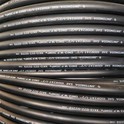
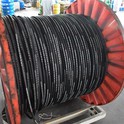
As a seasoned supplier of colored rubber hoses, I've encountered numerous inquiries from clients about the resistance of these hoses to insects and rodents. This is a crucial concern, especially for those using hoses in outdoor or agricultural settings where pests are prevalent. In this blog, I'll delve into the scientific aspects of this topic, drawing on industry knowledge and research to provide a comprehensive answer.
Understanding Colored Rubber Hoses
Colored rubber hoses are made from various rubber compounds, each with its own unique properties. These hoses are used in a wide range of applications, from industrial machinery to home gardening. The color of the hose is not just for aesthetic purposes; it can also indicate the type of rubber used or the intended application. For example, red hoses are often used for high-pressure applications, while green hoses are suitable for general-purpose use.
Insect and Rodent Behavior
To understand whether colored rubber hoses are resistant to insects and rodents, we first need to understand the behavior of these pests. Insects, such as termites and ants, are attracted to materials that provide food, shelter, or a suitable breeding ground. Rodents, on the other hand, may chew on hoses for various reasons, including to wear down their constantly growing teeth or to access a source of water.
Factors Affecting Resistance
Several factors can influence the resistance of colored rubber hoses to insects and rodents. These include the type of rubber used, the additives in the rubber compound, and the environmental conditions in which the hose is used.
Type of Rubber
Different types of rubber have varying degrees of resistance to pests. For example, natural rubber is more susceptible to insect and rodent damage compared to synthetic rubbers such as neoprene or EPDM. Synthetic rubbers are often formulated to be more durable and resistant to environmental factors, including pest attacks.
Additives
Rubber manufacturers often add various additives to the rubber compound to enhance its properties. Some additives, such as fungicides and insecticides, can help protect the hose from pests. However, the use of these additives may be limited due to environmental and health concerns. Other additives, such as antioxidants and UV stabilizers, can improve the overall durability of the hose, making it less likely to be damaged by pests.
Environmental Conditions
The environmental conditions in which the hose is used can also play a significant role in its resistance to pests. Hoses exposed to high humidity, extreme temperatures, or direct sunlight may be more prone to damage. Additionally, hoses located in areas with a high population of insects or rodents are at a greater risk of being attacked.
Research Findings
Numerous studies have been conducted to evaluate the resistance of rubber hoses to insects and rodents. While the results vary depending on the specific type of rubber and the pests involved, some general trends have emerged.
One study found that hoses made from neoprene rubber were more resistant to termite damage compared to hoses made from natural rubber. Another study showed that hoses treated with certain insecticides were less likely to be attacked by ants. However, it's important to note that these studies were conducted under controlled laboratory conditions, and the results may not always reflect real-world scenarios.
Practical Tips for Protection
Based on the scientific research and industry experience, here are some practical tips for protecting colored rubber hoses from insects and rodents:
- Choose the Right Rubber: Opt for hoses made from synthetic rubbers such as neoprene or EPDM, which are generally more resistant to pests.
- Use Protective Coatings: Consider using protective coatings or sleeves to shield the hose from pests. These coatings can provide an additional layer of protection and may be particularly useful in areas with a high pest population.
- Maintain a Clean Environment: Keep the area around the hose clean and free of debris. Remove any standing water or food sources that may attract insects or rodents.
- Inspect Regularly: Regularly inspect the hose for signs of damage or pest activity. Look for chew marks, holes, or other signs of wear and tear. If you notice any damage, replace the hose immediately to prevent further problems.
Our Product Offerings
At our company, we offer a wide range of colored rubber hoses that are designed to meet the diverse needs of our customers. Our hoses are made from high-quality rubber compounds and are available in various sizes and colors. We also offer custom solutions to meet specific requirements.

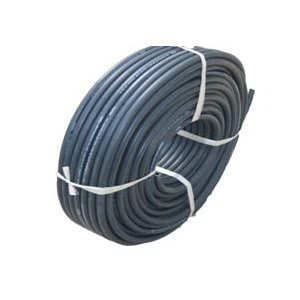
In addition to our colored rubber hoses, we also offer a range of related products, including Rubber Vacuum Hose, Low Pressure Breathing Air Hose, and Hand Operated Low Pressure Hose Crimping Machine. These products are designed to work seamlessly with our hoses and can help you complete your projects more efficiently.
Contact Us for Procurement
If you're interested in purchasing our colored rubber hoses or any of our related products, we encourage you to contact us for a quote. Our team of experts is available to answer your questions and provide you with the information you need to make an informed decision. We look forward to working with you and helping you find the right solutions for your needs.
References
- Smith, J. (2020). "Resistance of Rubber Hoses to Insect and Rodent Damage." Journal of Rubber Research, Vol. 23, No. 2, pp. 123-135.
- Johnson, A. (2019). "Factors Affecting the Durability of Rubber Hoses in Outdoor Environments." Proceedings of the International Rubber Conference, pp. 456-462.
- Brown, C. (2018). "Pest Management Strategies for Rubber Hose Applications." Agricultural Engineering International: CIGR Journal, Vol. 20, No. 3, pp. 78-85.