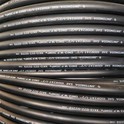
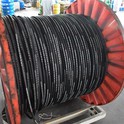
Can a low pressure hose be used in a chemical environment? This is a question that often arises among industrial users, especially those in sectors dealing with various chemicals. As a low pressure hose supplier, I've encountered this query numerous times and understand the importance of providing accurate and detailed information.
Understanding Low Pressure Hoses
Low pressure hoses are designed to operate within a specific pressure range, typically lower than that of high - pressure hoses. They are commonly used in a variety of applications, such as in household plumbing, garden irrigation, and some light - industrial settings. These hoses are made from different materials, including rubber, PVC (polyvinyl chloride), and polyethylene, each with its own set of properties.
Rubber hoses are known for their flexibility and durability. They can withstand a certain amount of wear and tear and are often used in applications where a degree of bending and movement is required. PVC hoses, on the other hand, are lightweight and relatively inexpensive. They are suitable for many general - purpose applications. Polyethylene hoses are resistant to chemicals to some extent and are often used in applications where contact with mild chemicals is possible.
Chemical Environments: A Complex Challenge
Chemical environments can vary widely in terms of the types of chemicals present, their concentrations, and the temperature and pressure conditions. Some chemicals are relatively benign, while others are highly corrosive, reactive, or toxic. For example, in a water treatment plant, hoses may come into contact with chlorine, which is a strong oxidizing agent. In a chemical manufacturing facility, hoses could be exposed to acids, bases, solvents, and other hazardous substances.
When considering using a low pressure hose in a chemical environment, it's crucial to understand the compatibility between the hose material and the chemicals it will encounter. A hose that is compatible with one chemical may not be suitable for another. For instance, rubber hoses can be damaged by certain solvents, while PVC hoses may be affected by strong acids or alkalis.
Compatibility Factors
Chemical Resistance
The most important factor is the chemical resistance of the hose material. Different materials have different levels of resistance to various chemicals. For example, some rubber compounds are resistant to oils and greases, while others are more suitable for water - based chemicals. PVC hoses are generally resistant to many non - polar solvents but can be attacked by polar solvents such as acetone.
To determine the chemical resistance of a hose, manufacturers often conduct tests using standardized methods. These tests involve exposing the hose material to the chemical for a specific period of time and then evaluating any changes in its physical properties, such as hardness, tensile strength, and elongation.
Temperature and Pressure
In addition to chemical resistance, temperature and pressure also play a significant role. High temperatures can accelerate chemical reactions and reduce the effectiveness of the hose material. For example, at elevated temperatures, some chemicals may become more reactive and cause more rapid degradation of the hose. Similarly, high pressures can put additional stress on the hose, increasing the risk of leaks or failures.
Hose Construction
The construction of the hose also affects its performance in a chemical environment. Hoses with multiple layers may provide better protection than single - layer hoses. For example, a hose with an inner layer made of a chemically resistant material and an outer layer for protection against abrasion and environmental factors can be more suitable for use in a chemical environment.
Evaluating the Use of Low Pressure Hoses in Chemical Environments
When deciding whether a low pressure hose can be used in a chemical environment, a comprehensive evaluation is necessary. Here are the steps to follow:


Identify the Chemicals
First, identify all the chemicals that the hose will come into contact with. This includes not only the primary chemicals but also any by - products or contaminants that may be present. Obtain detailed information about the chemical composition, concentration, and physical properties of each chemical.
Consult the Manufacturer
Contact the hose manufacturer or supplier to discuss the specific application and the chemicals involved. Reputable manufacturers can provide information about the chemical resistance of their hoses and may even offer customized solutions if needed. For example, we at [our company as a low pressure hose supplier] have a team of experts who can assist customers in selecting the most suitable hose for their chemical applications.
Conduct Testing
In some cases, it may be necessary to conduct on - site testing. This can involve installing a small section of the hose in the actual chemical environment and monitoring its performance over a period of time. Testing can help identify any potential problems before a full - scale installation is carried out.
Specific Examples of Low Pressure Hoses in Chemical Environments
Propane Low Pressure Hose
Propane Low Pressure Hose is commonly used in applications where propane gas is transported at low pressures. Propane is a relatively non - corrosive gas, but the hose material must still be resistant to it. Most propane low pressure hoses are made of rubber or a rubber - like material that is specifically formulated to be compatible with propane. These hoses are designed to prevent leaks and ensure the safe transfer of propane.
Low Pressure Hose Crimping Machine
When using low pressure hoses in a chemical environment, proper installation is crucial. A Low Pressure Hose Crimping Machine can be used to create a secure connection between the hose and the fittings. This helps prevent leaks and ensures the integrity of the hose assembly. The crimping machine must be suitable for the type of hose and fittings being used.
Hand Operated Low Pressure Hose Crimping Machine
For smaller - scale operations or applications where portability is important, a Hand Operated Low Pressure Hose Crimping Machine can be a convenient option. These machines allow for manual crimping of hoses, providing a cost - effective and flexible solution. However, it's important to ensure that the crimping is done correctly to maintain the performance of the hose in the chemical environment.
Conclusion
In conclusion, whether a low pressure hose can be used in a chemical environment depends on several factors, including the chemical resistance of the hose material, the temperature and pressure conditions, and the construction of the hose. While some low pressure hoses can be used in certain chemical environments, it's essential to conduct a thorough evaluation and consult with the manufacturer or supplier.
As a low pressure hose supplier, we are committed to providing our customers with high - quality hoses that are suitable for a wide range of applications, including chemical environments. We have a comprehensive range of products and can offer expert advice on hose selection, installation, and maintenance.
If you are considering using low pressure hoses in a chemical environment, we encourage you to contact us for more information. Our team of experts can help you find the right solution for your specific needs and ensure the safe and efficient operation of your equipment. We look forward to discussing your requirements and working with you to achieve your goals.
References
- "Handbook of Chemical Resistance of Plastics and Elastomers" by Charles A. Harper
- "Hose Selection Guide" by various industry standards organizations
- Manufacturer's technical data sheets on low pressure hoses and related products