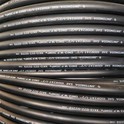
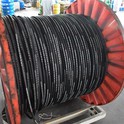
Hey there! As a supplier of low side hoses, I often get asked if these hoses can be used in an industrial setting. Well, let's dive right into it and explore this topic.
First off, what exactly are low side hoses? Low side hoses are designed to handle relatively lower pressures compared to high - pressure hoses. They come in different types, like Propane Low Pressure Hose, Low Pressure Oil Hose, and Rubber Vacuum Hose. Each type is tailored to specific applications.


Advantages of Using Low Side Hoses in Industrial Settings
Cost - Effectiveness
One of the biggest perks of using low side hoses in industrial settings is cost. High - pressure hoses are usually more expensive to manufacture because they need to be made from more robust materials and have a more complex design to withstand high pressures. On the other hand, low side hoses are more budget - friendly. For small and medium - sized industrial operations with limited budgets, low side hoses can be a great option. You can get a decent amount of hosing for your money, which is always a plus when you're trying to keep costs down.
Flexibility
Low side hoses are generally more flexible than their high - pressure counterparts. This flexibility makes them easier to install in tight spaces. In an industrial plant, there are often a lot of obstacles, machinery, and pipes. A flexible low side hose can be bent and routed around these obstacles without much hassle. For example, in a chemical processing plant where there are numerous valves and pumps close together, a flexible low side hose can be maneuvered to connect different components without the need for extensive re - engineering of the layout.
Safety in Low - Pressure Applications
In industrial processes where the pressure requirements are low, using a low side hose is actually a safer choice. High - pressure hoses are designed to handle extreme forces, and if they are used in a low - pressure situation, there's a risk of over - engineering. In some cases, a high - pressure hose might be too rigid or have fittings that are not necessary for the low - pressure application. This can lead to improper installation and potential safety hazards. Low side hoses, on the other hand, are specifically designed for low - pressure environments, so they are less likely to cause problems related to over - engineering.
Limitations of Using Low Side Hoses in Industrial Settings
Pressure Limitations
The most obvious limitation of low side hoses is their pressure capacity. In industrial settings where high pressures are involved, such as in hydraulic systems or high - pressure steam applications, low side hoses simply won't cut it. If you try to use a low side hose in a high - pressure situation, it can burst, leading to leaks, equipment damage, and even serious safety risks. For example, in a power plant where steam is generated at high pressures, a low side hose would not be able to handle the pressure and would fail almost immediately.
Chemical Compatibility
Another issue is chemical compatibility. Different industrial processes use a wide variety of chemicals. Some low side hoses may not be resistant to certain chemicals. For instance, in a pharmaceutical manufacturing plant where strong solvents are used, a low side hose made of a material that is not resistant to those solvents can degrade over time. This can lead to leaks and contamination of the product, which is a major problem in industries where product purity is crucial.
Durability
Low side hoses may not be as durable as high - pressure hoses in some industrial environments. In harsh industrial settings with a lot of abrasion, such as in mining operations where hoses are dragged across rough surfaces, a low side hose may wear out quickly. High - pressure hoses are often built with more durable materials and reinforced layers to withstand such harsh conditions.
Applications Where Low Side Hoses Work Well in Industrial Settings
Ventilation Systems
In industrial ventilation systems, low side hoses are commonly used. These systems are used to remove fumes, dust, and other contaminants from the workplace. The pressure in these systems is relatively low, usually just enough to move the air through the ducts. A Rubber Vacuum Hose is a great choice for this application. It's flexible, can handle the low - pressure airflow, and is often resistant to the chemicals and particles in the air.
Low - Pressure Fluid Transfer
For transferring fluids at low pressures, such as in some food and beverage processing plants, low side hoses are ideal. In a brewery, for example, low - pressure hoses can be used to transfer beer from one tank to another during the brewing process. These hoses are designed to be food - grade, so they won't contaminate the product, and they can handle the low - pressure flow of the liquid.
Propane Distribution
Propane Low Pressure Hose is widely used in industrial settings for propane distribution. Propane is often used as a fuel in industrial ovens, forklifts, and other equipment. The pressure in a propane distribution system is relatively low, and a low side hose is well - suited for this application. It can safely transport propane from the storage tank to the equipment without the need for high - pressure hosing.
Factors to Consider When Using Low Side Hoses in Industrial Settings
Pressure Rating
Before using a low side hose in an industrial application, it's crucial to check the pressure rating. Make sure that the maximum pressure of the industrial process is well within the pressure capacity of the hose. You don't want to take any chances with a hose that might burst due to over - pressure.
Chemical Resistance
As mentioned earlier, chemical compatibility is key. Identify the chemicals that the hose will come into contact with and choose a hose material that is resistant to those chemicals. There are many different types of hose materials available, such as rubber, PVC, and Teflon, each with its own chemical resistance properties.
Temperature Range
Industrial processes can involve a wide range of temperatures. Some low side hoses may become brittle in cold temperatures or soften in high temperatures. Make sure the hose you choose can operate within the temperature range of your industrial application.
In conclusion, low side hoses can definitely be used in industrial settings, but it depends on the specific requirements of the application. They offer cost - effectiveness, flexibility, and safety in low - pressure situations. However, they also have limitations in terms of pressure capacity, chemical compatibility, and durability. If you're in an industrial operation and think low side hoses might be a good fit for your needs, I'd love to have a chat with you. We can discuss your specific requirements and find the right low side hoses for your industrial application. Whether it's a Propane Low Pressure Hose, Low Pressure Oil Hose, or Rubber Vacuum Hose, we've got you covered. So, don't hesitate to reach out for a procurement discussion.
References
- Industrial Hosing Handbook: A Guide to Hose Selection and Application
- Safety Standards for Industrial Hoses, published by the Industrial Safety Council
- Chemical Compatibility Charts for Hoses, available from major hose manufacturers