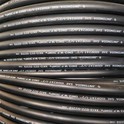
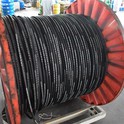
In the dynamic landscape of textile manufacturing, the selection of appropriate equipment and components is crucial for ensuring operational efficiency, product quality, and workplace safety. As a leading supplier of Rubber Hose 2SC, I am frequently asked whether this type of hose can be effectively used in a textile - manufacturing plant. In this blog post, I will explore the characteristics of Rubber Hose 2SC, the requirements of textile manufacturing processes, and evaluate the suitability of this hose for use in such an environment.
Understanding Rubber Hose 2SC
Rubber Hose 2SC is a specialized hydraulic hose designed to meet the demanding requirements of various industrial applications. It is constructed with a synthetic rubber inner tube, which is resistant to a wide range of hydraulic fluids, including mineral oil, water - glycol, and synthetic oils. The inner tube is reinforced with two layers of high - tensile steel wire braid, providing excellent strength and pressure resistance. The outer cover of the hose is made of a high - quality synthetic rubber, which offers protection against abrasion, weathering, and ozone damage.
One of the key features of Rubber Hose 2SC is its high working pressure capacity. It can withstand pressures up to 42 MPa (6091 psi), making it suitable for use in high - pressure hydraulic systems. Additionally, the hose has a good flexibility, which allows for easy installation and routing in confined spaces. Its excellent chemical resistance also ensures that it can be used in environments where it may come into contact with various chemicals.
To learn more about other types of rubber hoses we offer, you can visit our Rubber Hose 1SC and Rubber Hose 1SN product pages.
Requirements of Textile Manufacturing Plants
Textile manufacturing is a complex process that involves several stages, such as spinning, weaving, knitting, dyeing, and finishing. Each stage has specific requirements in terms of machinery operation, material handling, and environmental conditions.


- Machinery operation: Textile machines often rely on hydraulic systems for power transmission and control. These systems require hoses that can deliver a stable flow of hydraulic fluid at the required pressure. The hoses must also be able to withstand the vibrations and movements associated with machine operation without leaking or failing.
- Material handling: In textile manufacturing, various materials such as fibers, yarns, and fabrics need to be transported and handled. Hydraulic systems may be used in equipment such as conveyors, hoists, and presses. The hoses used in these applications should be flexible enough to allow for easy movement of the equipment and should be resistant to damage from sharp edges or rough surfaces.
- Environmental conditions: Textile manufacturing plants can have a wide range of environmental conditions. They may be exposed to high temperatures, humidity, and chemicals used in the dyeing and finishing processes. The hoses used in these plants need to be able to resist these environmental factors to ensure long - term performance.
Suitability of Rubber Hose 2SC in Textile Manufacturing Plants
Positive Aspects
- High - pressure performance: Many textile machines, especially those used in the pressing and shaping processes, require a high - pressure hydraulic system. Rubber Hose 2SC's ability to withstand high pressures makes it a suitable choice for such applications. It can ensure the reliable operation of hydraulic equipment, reducing the risk of pressure - related failures.
- Flexibility: The flexibility of Rubber Hose 2SC allows it to be easily installed in the tight spaces often found in textile machinery. It can bend and twist without kinking, which is essential for routing the hose around other components in the machine.
- Chemical resistance: The synthetic rubber inner tube and outer cover of Rubber Hose 2SC provide good resistance to the chemicals commonly used in textile manufacturing, such as dyes, solvents, and lubricants. This resistance helps to prevent the hose from deteriorating due to chemical exposure, extending its service life.
- Durability: The two - layer steel wire braid reinforcement gives Rubber Hose 2SC excellent strength and durability. It can withstand the mechanical stresses and vibrations generated by textile machinery, reducing the likelihood of hose failure and downtime.
Factors to Consider
- Temperature: While Rubber Hose 2SC can operate within a certain temperature range, some textile manufacturing processes may involve higher temperatures. For example, in the drying and heat - setting stages, the temperature can be quite high. It is important to ensure that the hose can handle the specific temperature requirements of the application. If the temperature exceeds the hose's rated limit, it may lead to a reduction in hose performance and a shorter service life.
- Abrasion in specific areas: In some parts of the textile manufacturing plant, such as areas where there is a lot of movement of materials or equipment, the hose may be more prone to abrasion. Although the outer cover of Rubber Hose 2SC is designed to be abrasion - resistant, it is necessary to assess the level of abrasion in the specific area where the hose will be used. Additional protective measures may need to be taken if the abrasion risk is high.
Case Studies and Real - World Applications
There have been several successful applications of Rubber Hose 2SC in textile manufacturing plants. For instance, in a large - scale weaving mill, the hydraulic systems of the looms were upgraded with Rubber Hose 2SC. The high - pressure performance of the hose ensured smooth operation of the loom's hydraulic cylinders, resulting in improved weaving quality and reduced downtime due to hose failures.
In another case, a textile dyeing plant replaced its old hoses with Rubber Hose 2SC. The chemical resistance of the hose allowed it to withstand the harsh chemicals used in the dyeing process, and its flexibility made it easy to install in the complex piping systems of the plant. As a result, the plant experienced fewer hose - related maintenance issues and an overall improvement in operational efficiency.
Conclusion
In conclusion, Rubber Hose 2SC has significant potential for use in textile - manufacturing plants. Its high - pressure performance, flexibility, chemical resistance, and durability make it a suitable candidate for many of the hydraulic applications in textile machinery and material - handling equipment. However, careful consideration must be given to factors such as temperature and abrasion in specific areas of the plant.
If you are a textile - manufacturing plant looking for reliable and high - performance hydraulic hoses, I encourage you to consider our Rubber Hose 2SC. Our team of experts can provide you with detailed technical information and help you select the most appropriate hose for your specific needs. Contact us to start a procurement discussion and find out how we can support your operations.
References
- ASTM International, "Standard Specification for Hydraulic Rubber Hose Assemblies."
- ISO Standards, "ISO 1436: Rubber and plastics hoses and hose assemblies - Hydraulic - Specification."