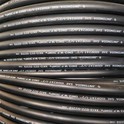
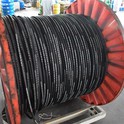
Can Rubber Hose EN856 be used in agricultural machinery?
As a leading supplier of Rubber Hose EN856, I'm often asked whether this type of hose can be effectively used in agricultural machinery. The short answer is yes, but it requires a more in - depth exploration to understand the numerous factors at play.
Characteristics of Rubber Hose EN856
Before delving into its applicability in agricultural machinery, let's first understand the key features of Rubber Hose EN856. This hose is designed in accordance with the EN856 standard, which lays out specific requirements for its construction, performance, and safety. It is generally a multi - layer hose, typically comprising an inner tube, reinforcement layers, and an outer cover.
The inner tube of the Rubber Hose EN856 is engineered to be resistant to the fluids it will carry. It can handle various hydraulic oils, water - based hydraulic fluids, and in some cases, even certain chemicals. This chemical resistance is crucial as different agricultural machinery may use different types of fluids depending on their function, such as tractors using hydraulic oil for power steering and implement control.
The reinforcement layers provide the necessary strength and pressure - bearing capacity. These layers are typically made of high - tensile steel wire or synthetic fibers. For example, in high - pressure applications where a large amount of force needs to be transferred, such as in the lifting and lowering of heavy agricultural implements, the reinforcement ensures that the hose can withstand the pressure without bursting or deforming.
The outer cover is designed to protect the inner components from external factors such as abrasion, weather, and UV radiation. In the agricultural environment, hoses are often exposed to rough terrain, branches, and changing weather conditions. A durable outer cover can extend the lifespan of the hose and prevent premature failure.
Advantages of Using Rubber Hose EN856 in Agricultural Machinery
-
Versatility
One of the main advantages of Rubber Hose EN856 is its versatility. It can be used in a wide range of agricultural applications. For instance, in combine harvesters, it can be employed in the hydraulic systems that control the movement of the cutting blade and the threshing mechanism. In irrigation systems, the hose can carry water or water - based fertilizers from the source to the fields. Different agricultural vehicles and machinery have unique hydraulic and fluid - carrying requirements, and the versatility of Rubber Hose EN856 allows it to meet these diverse needs. -
Pressure Rating
Agricultural machinery often operates under high - pressure conditions. Rubber Hose EN856 is designed to handle relatively high pressures, ensuring that the hydraulic systems in tractors, plows, and other equipment can function efficiently. High - pressure hoses are necessary for tasks like the rapid movement of large - scale agricultural implements or for powering hydraulic tools. The reliable pressure - bearing capacity of EN856 hoses reduces the risk of leaks and system failures, which could otherwise lead to costly downtime on the farm. -
Flexibility
Flexibility is another important factor in agricultural machinery. Rubber Hose EN856 can be easily bent and routed around various components of the machinery. This is particularly useful in compact or complexly designed agricultural equipment, where space is limited. For example, in a modern tractor cabin, the hoses need to be routed through narrow spaces to connect different hydraulic components without restricting the movement of other parts. The flexibility of the hose allows for easier installation and better integration into the overall machinery design.
Challenges and Limitations
While Rubber Hose EN856 offers many benefits in agricultural applications, there are also some challenges and limitations that need to be considered.
-
Environmental Impact
Agricultural environments can be harsh, with exposure to extreme temperatures, sunlight, and chemicals. Over time, these factors can degrade the rubber materials in the hose. For example, in regions with high - heat summers, the rubber may become brittle, reducing its flexibility and pressure - bearing capacity. In areas where pesticides and fertilizers are used, these chemicals can corrode the outer cover and inner tube, leading to leaks and failures. -
Compatibility with New - Generation Fluids
As technology advances, new types of hydraulic fluids and chemicals are being developed for agricultural machinery. Some of these may not be fully compatible with the existing materials in Rubber Hose EN856. For example, biodegradable hydraulic fluids, which are becoming more popular due to environmental concerns, may have different chemical properties that could potentially react with the hose materials. Manufacturers need to continuously research and develop hoses that can be compatible with these new fluids. -
Cost - effectiveness
Compared to some other types of hoses, Rubber Hose EN856 may have a relatively higher cost. While it offers high performance and durability, for small - scale farmers or those operating on a tight budget, the initial investment in EN856 hoses may be a deterrent. However, it's important to consider the long - term cost. A high - quality hose may result in fewer replacements and less downtime, ultimately saving money in the long run.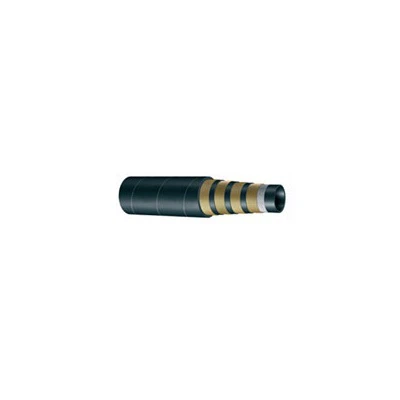

Comparing with Other Rubber Hoses
When considering the use of hoses in agricultural machinery, it's also important to compare Rubber Hose EN856 with other options, such as Rubber Hose 4SH, Rubber Hose EN857, and Rubber Hose 4SP.
Rubber Hose 4SH is designed for very high - pressure applications. It has a different construction and pressure - rating compared to EN856. In some heavy - duty agricultural operations where extremely high pressure is required, such as large - scale earth - moving agricultural machines, 4SH may be a better choice. However, its high - pressure capacity often comes with a higher cost and reduced flexibility compared to EN856.
Rubber Hose EN857 is similar in some aspects to EN856 but has different standards for construction and performance. EN857 may be more suitable for medium - pressure applications with specific requirements for hose length and flexibility. For example, in some light - duty agricultural vehicles, EN857 hoses can provide a good balance between cost and performance.
Rubber Hose 4SP is another option that offers a different combination of strength and flexibility. It is commonly used in applications where a high degree of flexibility is needed along with a moderate pressure - bearing capacity. In smaller, more agile agricultural machinery, 4SP hoses can be a practical choice.
Tips for Using Rubber Hose EN856 in Agricultural Machinery
-
Proper Installation
When installing Rubber Hose EN856, it's essential to follow the manufacturer's guidelines. This includes ensuring proper fitting and connection of the hose to the hydraulic components. Incorrect installation can lead to leaks, reduced performance, and even safety hazards. Make sure that the hose is installed in a way that avoids sharp bends or kinks, as these can restrict the flow of fluid and cause premature wear. -
Regular Inspection and Maintenance
Regular inspection of the hoses is crucial to detect any signs of wear, damage, or leakage early. Check the outer cover for abrasions, cracks, or signs of swelling. Look for any signs of fluid leakage around the fittings. Maintenance also includes cleaning the hoses regularly to remove dirt and debris, which can cause abrasion and damage over time. -
Temperature and Pressure Monitoring
Keep an eye on the operating temperature and pressure of the hydraulic system. Extreme temperatures can affect the performance of the hose, and excessive pressure can lead to hose failure. Some modern agricultural machinery is equipped with sensors that can monitor these parameters, allowing for timely adjustments and preventive measures.
Conclusion
In conclusion, Rubber Hose EN856 can definitely be used in agricultural machinery, offering numerous advantages such as versatility, pressure - bearing capacity, and flexibility. However, it also faces some challenges in terms of environmental impact and cost - effectiveness. By understanding its characteristics, advantages, and limitations, farmers and agricultural equipment operators can make an informed decision about whether to use this type of hose in their machinery.
When considering hoses for agricultural applications, it's important to evaluate your specific needs, including the type of machinery, the operating conditions, and the budget. Whether you choose Rubber Hose EN856, or compare it with other options like Rubber Hose 4SH, Rubber Hose EN857, and Rubber Hose 4SP, careful consideration will ensure optimal performance and a long service life for your agricultural equipment.
If you are interested in purchasing high - quality Rubber Hose EN856 for your agricultural machinery, feel free to reach out to us. We are dedicated to providing the best - suited hoses and professional advice to meet your specific needs.
References
- ISO 1872 - 2:2007 - Plastics — Polyethylene (PE) moulding and extrusion materials — Part 2: Preparation of test specimens and determination of properties
- EN 856:2008 - Rubber and plastics hoses and hose assemblies — Hydraulic fluid power applications — Specification for four - wire braid - reinforced types
- Agricultural Hydraulics Handbook, published by [Publisher Name]