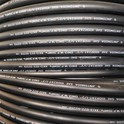
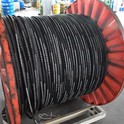
As a supplier of RUBBER Hose SAE R13, I often receive inquiries from various industries about the potential applications of our products. One question that comes up frequently is whether RUBBER Hose SAE R13 can be used in aerospace applications. In this blog post, I will delve into this topic, exploring the characteristics of RUBBER Hose SAE R13, the requirements of aerospace applications, and the feasibility of using this hose in such a demanding environment.
Understanding RUBBER Hose SAE R13
RUBBER Hose SAE R13 is a type of hydraulic hose designed to meet the standards set by the Society of Automotive Engineers (SAE). These hoses are known for their high - pressure resistance, flexibility, and durability. They typically consist of an inner tube, reinforcement layers, and an outer cover.
The inner tube is made of synthetic rubber, which is resistant to the hydraulic fluids commonly used in industrial applications. This material ensures that the hose can transport fluids without being degraded by the chemicals in the fluid. The reinforcement layers, usually made of high - strength steel wire, provide the hose with the necessary strength to withstand high pressures. The outer cover, also made of rubber, protects the inner components from environmental factors such as abrasion, weather, and ozone.
Requirements of Aerospace Applications
Aerospace applications have extremely strict requirements for all components, including hoses. These requirements are mainly driven by the need for safety, reliability, and performance in harsh operating conditions.
- Safety: In aerospace, safety is of utmost importance. Any failure of a component can have catastrophic consequences. Hoses must be able to operate without leaking, bursting, or failing under normal and emergency conditions.
- Reliability: Aerospace systems are expected to operate continuously for long periods without maintenance. Hoses need to have a high level of reliability, with a low probability of failure over their service life.
- Performance: Hoses in aerospace applications must perform well under a wide range of temperatures, pressures, and vibration levels. They should also be lightweight to reduce the overall weight of the aircraft, which is crucial for fuel efficiency.
- Compliance: Aerospace components must comply with strict industry standards and regulations, such as those set by the Federal Aviation Administration (FAA) in the United States or the European Union Aviation Safety Agency (EASA).
Feasibility of Using RUBBER Hose SAE R13 in Aerospace Applications
Advantages
- High - Pressure Resistance: RUBBER Hose SAE R13 is designed to handle high - pressure hydraulic systems, which is a requirement in many aerospace hydraulic applications. The high - strength steel wire reinforcement provides the necessary strength to withstand the high pressures encountered in aerospace hydraulic systems.
- Flexibility: The flexibility of RUBBER Hose SAE R13 allows it to be easily installed in complex aerospace systems. It can be bent and routed around other components without losing its performance.
- Durability: The rubber materials used in RUBBER Hose SAE R13 offer good resistance to abrasion, weather, and ozone. This durability can help the hose withstand the harsh environmental conditions in aerospace applications.
Disadvantages
- Weight: While RUBBER Hose SAE R13 is relatively lightweight compared to some other types of hoses, it may still be heavier than the hoses specifically designed for aerospace applications. The additional weight can have a negative impact on the fuel efficiency of the aircraft.
- Temperature Range: Although RUBBER Hose SAE R13 can operate within a certain temperature range, aerospace applications often require hoses to perform in a much wider temperature range, from extremely cold to very high temperatures. The rubber materials in RUBBER Hose SAE R13 may not have the same level of temperature resistance as specialized aerospace hoses.
- Compliance: RUBBER Hose SAE R13 is designed to meet SAE standards for industrial applications, not the specific standards and regulations for aerospace. It may require additional testing and certification to be used in aerospace applications.
Comparison with Other Aerospace - Suitable Hoses
When considering the use of RUBBER Hose SAE R13 in aerospace applications, it is also useful to compare it with other hoses that are specifically designed for aerospace. For example, RUBBER Hose SAE R16, RUBBER Hose SAE R17, and RUBBER Hose SAE R9 are hoses that are more commonly used in aerospace applications.
- RUBBER Hose SAE R16: This hose is designed for high - pressure hydraulic systems and has excellent flexibility and fatigue resistance. It is often used in aerospace applications where high - pressure performance is required.
- RUBBER Hose SAE R17: SAE R17 hoses are known for their lightweight design and high - temperature resistance. They are suitable for applications where weight reduction and high - temperature performance are critical.
- RUBBER Hose SAE R9: These hoses are designed for low - pressure applications in aerospace. They are lightweight and flexible, making them ideal for use in areas where space is limited.
Can RUBBER Hose SAE R13 Be Used in Aerospace Applications?
The answer is not straightforward. While RUBBER Hose SAE R13 has some characteristics that make it potentially suitable for aerospace applications, such as high - pressure resistance and flexibility, it also has some limitations.


In some non - critical aerospace applications, where the requirements for weight, temperature range, and compliance are not as strict, RUBBER Hose SAE R13 may be a viable option. However, for critical applications, such as those in the flight control systems or hydraulic systems of an aircraft, specialized aerospace hoses like RUBBER Hose SAE R16, RUBBER Hose SAE R17, or RUBBER Hose SAE R9 are usually preferred.
If you are considering using RUBBER Hose SAE R13 in an aerospace application, it is essential to conduct a thorough evaluation of your specific requirements. This evaluation should include an analysis of the operating conditions, safety requirements, and compliance regulations. It may also be necessary to work with a qualified aerospace engineer or testing laboratory to ensure that the hose meets all the necessary standards.
Contact for Procurement and Discussion
If you are interested in learning more about RUBBER Hose SAE R13 or have specific requirements for your aerospace or other industrial applications, I encourage you to reach out. We are a professional supplier with extensive experience in providing high - quality hoses. Our team of experts can assist you in selecting the most suitable hose for your needs, answering any technical questions, and discussing procurement options. Whether you need a small quantity for a prototype or a large - scale order for production, we are here to serve you.
References
- Society of Automotive Engineers (SAE). SAE J517 Standard for Hydraulic Rubber Hoses.
- Federal Aviation Administration (FAA). Regulations for Aerospace Components.
- European Union Aviation Safety Agency (EASA). Safety and Certification Requirements for Aerospace Equipment.