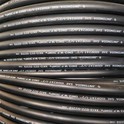
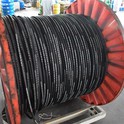
Hey there! I'm a supplier of low pressure hoses, and I know how crucial it is to label these hoses properly for easy identification. In this blog, I'll share some practical tips on how to do just that.
First off, let's talk about why labeling low pressure hoses is so important. When you're dealing with a bunch of hoses in a workshop or a storage area, it can be a real headache to figure out which hose is which. A well - labeled hose can save you time and prevent mistakes. For example, using the wrong hose for a specific application can lead to leaks, inefficiencies, or even safety hazards.
Types of Low Pressure Hoses
We offer a variety of low pressure hoses, each designed for different purposes. There's the Low Pressure Oil Hose, which is used in applications where oil needs to be transferred at low pressures. This could be in small engines, lubrication systems, or some industrial processes.
Then, there's the Low Pressure Breathing Air Hose. As the name suggests, it's used to supply breathing air to workers in environments where the air quality might be poor. This hose needs to be clearly labeled to ensure that it's only used for its intended purpose, as using it for other fluids could contaminate the air supply.
Another type is the Propane Low Pressure Hose. Propane is a flammable gas, so proper identification of this hose is absolutely essential. Using the wrong hose for propane can lead to gas leaks, which are extremely dangerous.
Labeling Materials
Now, let's get into the nitty - gritty of what materials you can use for labeling.
Adhesive Labels
Adhesive labels are a popular choice. They're easy to apply and come in a variety of sizes and colors. You can print all the necessary information on them, like the hose type, pressure rating, and date of manufacture. Make sure to choose labels that are resistant to oil, water, and UV light. This way, they'll stay in good condition even in harsh environments.
Engraved Tags
Engraved tags are more durable than adhesive labels. They're usually made of metal or plastic and can be attached to the hose with a wire or a clip. The engraving ensures that the information won't fade or wear off easily. This is a great option for hoses that are used in heavy - duty applications or in areas where they might get bumped around a lot.
Color - Coding
Color - coding is a simple yet effective way to label hoses. You can assign a specific color to each type of hose. For example, you could use red for the propane low pressure hose, blue for the breathing air hose, and green for the oil hose. This makes it easy to quickly identify the hose just by looking at its color. You can use colored tape or paint to color - code the hoses. However, make sure that the color - coding system is well - documented and that everyone in your workplace is aware of it.
Information to Include on Labels
When you're labeling your low pressure hoses, there are several key pieces of information that you should include.
Hose Type
This is the most basic information. Clearly state whether it's a low pressure oil hose, a breathing air hose, or a propane low pressure hose. This helps users quickly identify the hose's intended use.
Pressure Rating
The pressure rating tells users the maximum pressure that the hose can safely handle. This is crucial for preventing over - pressurization, which can lead to hose failure. Make sure to include both the working pressure and the burst pressure on the label.
Size
The size of the hose, including the inner diameter and the outer diameter, is important. Different applications may require different hose sizes, so having this information on the label ensures that the right hose is selected.
Date of Manufacture
Knowing the date of manufacture can help you keep track of the hose's age. Hoses have a limited lifespan, and over time, they can deteriorate. By having the date of manufacture on the label, you can plan for timely replacements.
Manufacturer's Name
Including the manufacturer's name on the label can be useful for getting support or replacement parts. If there are any issues with the hose, users can easily contact the manufacturer for assistance.


Label Placement
Where you place the label on the hose is also important.
Near the Ends
Placing the label near the ends of the hose makes it easy to see when the hose is connected to equipment. This is especially useful when you're quickly trying to identify the hose during setup or maintenance.
Visible Areas
Make sure the label is placed in a visible area of the hose. Avoid placing it in areas where it might be covered by other objects or where it could get damaged easily. For example, don't place the label on a part of the hose that bends frequently, as this could cause the label to peel off or wear away.
Maintaining Labels
Once you've labeled your low pressure hoses, you need to make sure that the labels stay in good condition.
Regular Inspections
Perform regular inspections of the labels. Check for signs of wear, fading, or damage. If a label is starting to look bad, replace it immediately. This ensures that the information on the label remains accurate and visible.
Cleaning
Keep the labels clean. If the labels get dirty, it can be difficult to read the information on them. You can use a mild detergent and a soft cloth to clean the labels. Just make sure not to use any harsh chemicals that could damage the label.
In conclusion, proper labeling of low pressure hoses is essential for safety, efficiency, and easy identification. By using the right materials, including all the necessary information, placing the labels correctly, and maintaining them, you can ensure that your hoses are always easy to identify.
If you're in the market for high - quality low pressure hoses or need more information on proper labeling, feel free to reach out. We're here to help you find the right hoses for your applications and can provide guidance on best practices for labeling.
References
- Hose Industry Standards Handbook
- Safety Guidelines for Fluid Transfer Systems