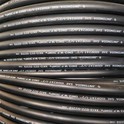
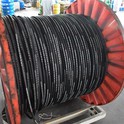
As a supplier of low pressure hoses, I understand the challenges that come with cold winter months, especially when it comes to preventing hoses from freezing. Freezing can cause significant damage to low pressure hoses, leading to leaks, reduced efficiency, and even complete failure. In this blog post, I'll share some practical tips and strategies to help you prevent your low pressure hoses from freezing during winter.
Understanding the Problem
Before we dive into the solutions, it's important to understand why low pressure hoses freeze in the first place. Low pressure hoses often carry fluids or gases that contain moisture. When the temperature drops below freezing, this moisture can turn into ice, which expands and can cause the hose to crack or burst. Additionally, ice buildup can restrict the flow of fluid or gas through the hose, reducing its performance.
Insulation
One of the most effective ways to prevent low pressure hoses from freezing is to insulate them. Insulation helps to maintain the temperature of the fluid or gas inside the hose, preventing it from dropping below freezing. There are several types of insulation materials available, including foam sleeves, fiberglass insulation, and rubber insulation.
Foam sleeves are a popular choice for insulating low pressure hoses because they are easy to install and provide good thermal protection. Simply slide the foam sleeve over the hose and secure it in place with tape or zip ties. Fiberglass insulation is another option, but it requires more careful installation to avoid irritation from the fiberglass fibers. Rubber insulation is also a good choice, especially for hoses that are exposed to moisture or chemicals.
Heat Tracing
Another effective method for preventing low pressure hoses from freezing is to use heat tracing. Heat tracing involves wrapping an electrical heating element around the hose to keep it warm. This is particularly useful for hoses that are located in areas where insulation alone may not be sufficient, such as outdoor or unheated spaces.
There are two main types of heat tracing: self-regulating and constant wattage. Self-regulating heat tracing adjusts its power output based on the temperature of the hose, which helps to prevent overheating. Constant wattage heat tracing provides a fixed amount of heat, regardless of the temperature. When choosing a heat tracing system, it's important to select one that is suitable for the size and type of hose you are using.
Drainage
Proper drainage is essential for preventing low pressure hoses from freezing. If water or other fluids are allowed to accumulate in the hose, it can freeze and cause damage. To ensure proper drainage, make sure that the hose is installed with a slight slope so that water can flow out easily. Additionally, you can install a drain valve at the lowest point of the hose to allow any accumulated water to be drained off.
If you are using a low pressure hose for a specific application, such as a propane system, it's important to follow the manufacturer's instructions for draining the hose. For example, if you are using a 3 8 Low Pressure Propane Hose, make sure to drain any remaining propane from the hose before storing it for the winter.
Storage
Proper storage of low pressure hoses during the winter months is also important for preventing freezing. If possible, store the hoses in a warm, dry place where the temperature will not drop below freezing. If you need to store the hoses outdoors, make sure they are protected from the elements and are elevated off the ground to prevent water from pooling around them.
Before storing the hoses, make sure they are clean and dry. Remove any dirt, debris, or moisture from the inside and outside of the hose. You can also apply a light coating of lubricant to the hose fittings to prevent corrosion.
Maintenance
Regular maintenance is key to ensuring the long-term performance and reliability of your low pressure hoses. Inspect the hoses regularly for signs of damage, such as cracks, leaks, or wear. If you notice any problems, replace the hose immediately to prevent further damage.
In addition to visual inspections, it's also important to test the hoses periodically to ensure that they are functioning properly. This can include pressure testing, flow testing, and leak testing. By performing regular maintenance and testing, you can identify and address any issues before they become major problems.
Conclusion
Preventing low pressure hoses from freezing in winter requires a combination of insulation, heat tracing, drainage, proper storage, and regular maintenance. By following these tips and strategies, you can help to ensure that your hoses remain in good condition and continue to perform effectively throughout the cold winter months.
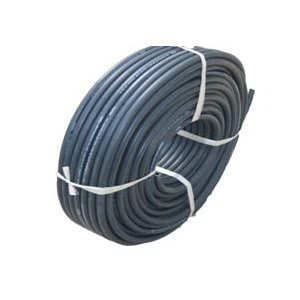

As a supplier of Low Pressure Breathing Air Hose and Hand Operated Low Pressure Hose Crimping Machine, I am committed to providing high-quality products and expert advice to help you keep your hoses in top condition. If you have any questions or need further assistance, please don't hesitate to contact us. We are here to help you with all your low pressure hose needs. Whether you are looking to purchase new hoses, accessories, or need advice on preventing freezing, we are your trusted partner. Start a conversation with us today to explore how we can meet your specific requirements and ensure the optimal performance of your low pressure hoses.
References
- ASHRAE Handbook - HVAC Applications
- NFPA 1 - Fire Code
- Hose Manufacturer's Installation and Maintenance Guides