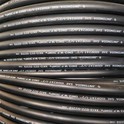
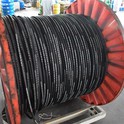
Hey there! As a supplier of rubber engine hoses, I've seen firsthand how high temperatures can really mess with these crucial components. In this blog, I'm gonna break down exactly how high heat affects rubber engine hoses and why it's super important to keep an eye on this stuff.
Let's start with the basics. Rubber engine hoses are used in all sorts of vehicles and machinery to transfer fluids like coolant, oil, and fuel. They need to be flexible, durable, and able to withstand a range of conditions. But high temperatures can throw a real wrench in the works.
One of the most immediate effects of high temperatures on rubber hoses is a change in their physical properties. Rubber is a polymer, and when it gets too hot, the polymer chains start to break down. This can lead to a loss of elasticity, which means the hose becomes stiffer and less able to bend without cracking. Imagine trying to bend a piece of old, dried - out gum - that's what a heat - damaged rubber hose can be like.
This loss of elasticity is a big deal because it can cause the hose to develop leaks. When the hose is less flexible, it can't adapt to the normal movement and vibrations that occur in an engine. Over time, small cracks can form, and these cracks can grow larger, allowing fluids to escape. A coolant leak, for example, can lead to engine overheating, which can cause serious damage to the engine itself.
Another problem caused by high temperatures is swelling. Rubber has a certain level of permeability, and when it's exposed to high heat, it can absorb more of the fluid it's carrying. This causes the hose to swell, which can put extra stress on the hose and its connections. If the swelling is severe enough, it can cause the hose to come loose from its fittings, leading to even more leaks.
The chemical composition of rubber also plays a role in how it reacts to high temperatures. Some types of rubber are more heat - resistant than others. For instance, silicone rubber is known for its excellent heat resistance, while natural rubber is much more sensitive to high temperatures. As a supplier, I always make sure to offer a variety of hoses made from different types of rubber to meet the specific needs of my customers.
When it comes to high - temperature environments, the quality of the rubber compound used in the hose is crucial. A high - quality rubber compound will have additives that help it resist heat degradation. These additives can slow down the breakdown of the polymer chains and reduce the risk of swelling and cracking. That's why it's important to choose a reliable supplier who uses top - notch materials.
Now, let's talk about some of the products I offer that are designed to handle high temperatures. Check out our Rubber Hose Princess Auto. This hose is made from a special rubber compound that's been formulated to withstand high temperatures and harsh chemicals. It's perfect for use in automotive engines where temperatures can get pretty extreme.
Another great option is our Wear - resistant Rubber Hose. This hose not only has excellent wear resistance but also performs well in high - temperature conditions. The special design of the hose helps it maintain its flexibility and integrity even when exposed to heat for long periods.
And if you're looking for a hose that meets specific industry standards, our Rubber Hose - SAE 100R1AT is a great choice. It's designed to handle high - pressure and high - temperature applications, making it suitable for a wide range of industrial and automotive uses.
So, how can you tell if your rubber engine hose is being affected by high temperatures? There are a few signs to look out for. First, check for any visible cracks or swelling on the hose. If you notice any, it's a good idea to replace the hose as soon as possible. You can also look for signs of fluid leaks around the hose connections. A puddle of coolant or oil under your vehicle is a clear indication that something's wrong.
Another way to monitor the condition of your hoses is to pay attention to the engine temperature gauge. If the engine is running hotter than normal, it could be a sign of a coolant leak or a problem with the hoses. And if you smell a sweet, syrupy odor coming from the engine, that could be a sign of a coolant leak as well.
As a supplier, I understand the importance of providing high - quality rubber engine hoses that can withstand high temperatures. That's why I work closely with my manufacturers to ensure that every hose I sell meets the highest standards of quality and performance. Whether you're a mechanic, a car enthusiast, or an industrial operator, I've got the right hose for your needs.
If you're in the market for a rubber engine hose that can handle high temperatures, don't hesitate to get in touch. I'm always happy to answer any questions you might have and help you find the perfect hose for your application. Whether you need a single hose or a large order, I can provide you with the best products at competitive prices.


In conclusion, high temperatures can have a significant impact on rubber engine hoses. They can cause loss of elasticity, swelling, and cracking, which can lead to leaks and engine damage. But by choosing the right type of hose and monitoring its condition regularly, you can minimize these risks. And if you need a reliable supplier of high - quality rubber engine hoses, look no further. I'm here to help you keep your engines running smoothly, even in the hottest conditions.
References
- "The Handbook of Rubber Technology" by Maurice Morton
- "Rubber Engineering: Principles and Practice" by John A. Brydson