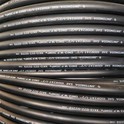
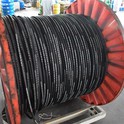
When it comes to hydraulic hoses, performance is a critical factor that determines their suitability for various applications. As a supplier of Rubber Hose EN857, I've had the opportunity to closely examine how this particular hose stacks up against other similar hoses in the market. In this blog, I'll delve into the performance aspects of Rubber Hose EN857 and compare it with some well - known counterparts.
Pressure Resistance
One of the primary performance indicators of a hydraulic hose is its pressure resistance. Rubber Hose EN857 is designed to meet specific European standards, which ensure a high level of pressure - handling capabilities. It is commonly used in medium - to high - pressure hydraulic systems.
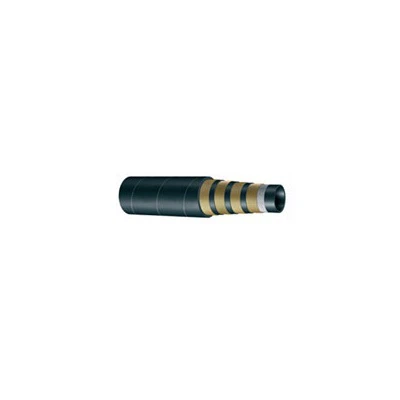
In comparison, Rubber Hose 1SN is a single - wire braid hydraulic hose. While it offers good pressure resistance for light - to medium - duty applications, it generally has a lower maximum working pressure compared to Rubber Hose EN857. The EN857 hose, with its double - wire braid construction in many cases, can withstand higher pressures, making it more suitable for heavy - duty hydraulic operations where pressure spikes are common.
On the other hand, Rubber Hose 4SH is a four - wire spiral hydraulic hose. It is engineered for extremely high - pressure applications. Although Rubber Hose 4SH has a much higher pressure rating than Rubber Hose EN857, the latter provides a more cost - effective solution for applications that don't require the extreme pressure capabilities of the 4SH hose. The EN857 hose strikes a balance between pressure resistance and cost, making it a popular choice for a wide range of industrial applications.
Flexibility
Flexibility is another crucial performance characteristic, especially in applications where hoses need to be routed around obstacles or in tight spaces. Rubber Hose EN857 offers a good level of flexibility due to its construction materials and design. The rubber compound used in its outer layer and the arrangement of the wire braids contribute to its ability to bend without kinking easily.
Compared to Rubber Industry Hose, which may be designed for general industrial use and not specifically optimized for hydraulic applications, Rubber Hose EN857 has better flexibility. The industrial hoses may be stiffer as they are often used in less dynamic environments. The EN857 hose can be easily installed in hydraulic systems where movement and bending are required, such as in mobile equipment like excavators and loaders.
However, when compared to some specialized high - flexibility hoses on the market, Rubber Hose EN857 may have slightly less flexibility. But for most standard hydraulic applications, its flexibility is more than sufficient, and the trade - off in terms of pressure resistance and durability makes it a practical choice.
Abrasion Resistance
In industrial settings, hoses are often exposed to rough surfaces, sharp edges, and constant movement, which can lead to abrasion. Rubber Hose EN857 is designed with an outer rubber layer that offers good abrasion resistance. This outer layer protects the inner wire braids and the tube from damage, ensuring a longer service life.
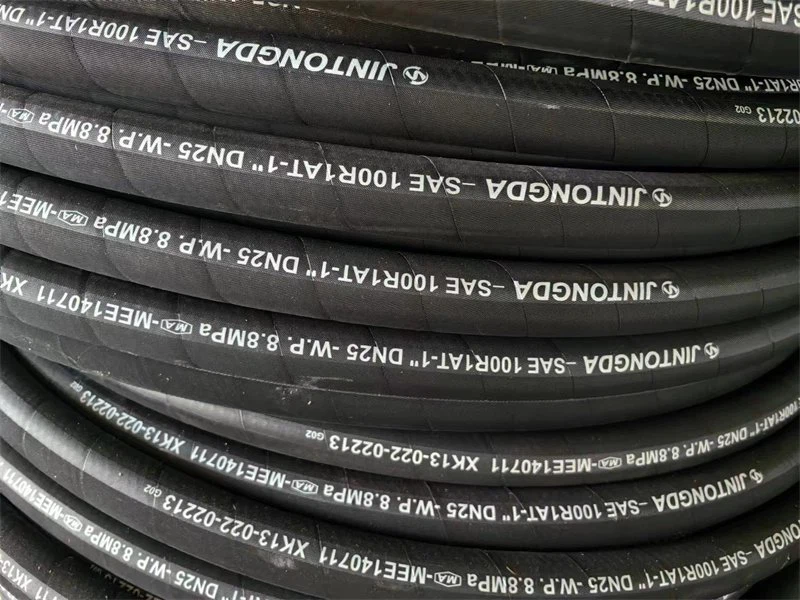
Rubber Hose 1SN may have a lower level of abrasion resistance compared to Rubber Hose EN857. The single - wire braid construction of the 1SN hose may not provide as much protection to the outer layer, making it more vulnerable to abrasion in harsh environments.
The Rubber Industry Hose may have varying levels of abrasion resistance depending on its specific design and intended use. Some industrial hoses may be coated with special materials to enhance abrasion resistance, but in general, the EN857 hose is engineered to meet the demands of hydraulic applications where abrasion is a common concern.
Chemical Resistance
The ability of a hose to resist the effects of various chemicals is essential, especially when it comes into contact with hydraulic fluids, oils, and other substances. Rubber Hose EN857 is formulated to have good chemical resistance to a wide range of hydraulic fluids, including mineral oils, synthetic oils, and water - glycol mixtures.
In comparison, Rubber Hose 4SH also has excellent chemical resistance, as it is designed for high - pressure hydraulic systems that often use specialized fluids. However, the chemical resistance of the EN857 hose is sufficient for most standard hydraulic applications.
The Rubber Industry Hose may have different levels of chemical resistance depending on its intended use. Some industrial hoses may be designed to resist specific chemicals, but the EN857 hose provides a more comprehensive chemical resistance profile for hydraulic applications.
Temperature Resistance
Temperature can have a significant impact on the performance of hydraulic hoses. Rubber Hose EN857 is designed to operate within a certain temperature range. It can typically withstand temperatures from - 40°C to + 100°C, depending on the specific rubber compound used.
Rubber Hose 1SN may have a similar temperature range, but in some cases, the EN857 hose may offer better performance at the extreme ends of the temperature spectrum. The double - wire braid construction of the EN857 hose provides better insulation and protection against temperature - related damage.
The Rubber Hose 4SH is often engineered to handle higher temperatures, especially in high - pressure applications where heat generation is a concern. But for most standard hydraulic applications that operate within the normal temperature range, the temperature resistance of Rubber Hose EN857 is adequate.
Cost - Effectiveness
Cost is always a factor in any purchasing decision. Rubber Hose EN857 offers a high level of performance at a relatively reasonable cost. It provides a good balance between pressure resistance, flexibility, abrasion resistance, chemical resistance, and temperature resistance, making it a cost - effective solution for many hydraulic applications.
Compared to Rubber Hose 4SH, which is more expensive due to its high - pressure capabilities and specialized construction, the EN857 hose can be a more budget - friendly option for applications that don't require the extreme performance of the 4SH hose.
The Rubber Hose 1SN is generally less expensive than the EN857 hose, but it also has lower performance capabilities in terms of pressure resistance and abrasion resistance. The EN857 hose offers a better value proposition for applications that require a higher level of performance without breaking the bank.
Conclusion
In conclusion, Rubber Hose EN857 is a versatile and reliable hydraulic hose that offers a good balance of performance characteristics. It compares favorably with other similar hoses in terms of pressure resistance, flexibility, abrasion resistance, chemical resistance, temperature resistance, and cost - effectiveness.
Whether you're in the market for a hose for a light - to medium - duty hydraulic system or a more demanding application, Rubber Hose EN857 is worth considering. If you're interested in learning more about our Rubber Hose EN857 products or would like to discuss your specific requirements, please feel free to contact us for a detailed discussion and potential purchase. We're here to help you find the best hydraulic hose solution for your needs.
References
- Hydraulic Hose Handbook, various industry publications
- Technical specifications provided by hose manufacturers