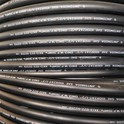
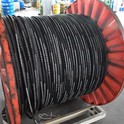
In the industrial landscape, the performance of rubber hoses in various environments is a critical concern for many sectors. As a dedicated supplier of RUBBER Hose SAE R15, I've witnessed firsthand the importance of understanding how these hoses perform, especially in corrosive gas environments. This blog post aims to delve into the performance of RUBBER Hose SAE R15 under such challenging conditions.
Understanding RUBBER Hose SAE R15
Before we explore its performance in corrosive gas environments, let's briefly understand what RUBBER Hose SAE R15 is. It is a type of hydraulic rubber hose that adheres to the SAE J517 standard. This standard ensures a certain level of quality, safety, and performance for the hoses. RUBBER Hose SAE R15 is designed to handle high - pressure hydraulic applications, making it a popular choice in industries such as construction, agriculture, and manufacturing.
Corrosive Gas Environments: A Challenge for Rubber Hoses
Corrosive gases, such as sulfur dioxide, chlorine, and ammonia, are commonly found in industrial settings like chemical plants, power generation facilities, and waste treatment plants. These gases can have a detrimental effect on rubber hoses. When rubber comes into contact with corrosive gases, several chemical and physical changes can occur.
Chemically, the corrosive gases can react with the rubber material, breaking down its molecular structure. This can lead to a loss of elasticity, which is a crucial property for rubber hoses. Physically, the reaction can cause the rubber to swell, crack, or become brittle over time. These changes can compromise the integrity of the hose, leading to leaks, reduced pressure - handling capabilities, and ultimately, system failures.
Performance of RUBBER Hose SAE R15 in Corrosive Gas Environments
Material Composition
The performance of RUBBER Hose SAE R15 in corrosive gas environments largely depends on its material composition. Most RUBBER Hose SAE R15 hoses are made from synthetic rubber compounds, which are chosen for their chemical resistance. For example, Nitrile rubber (NBR) is a common material used in these hoses. NBR has good resistance to a wide range of chemicals, including some corrosive gases. It can withstand exposure to mild to moderate concentrations of certain gases without significant degradation.
However, in more severe corrosive gas environments, specialized rubber compounds may be required. For instance, Fluoroelastomers (FKM) offer excellent resistance to a broad spectrum of corrosive gases. FKM - lined RUBBER Hose SAE R15 hoses can be used in environments where the concentration of corrosive gases is high or where the gases are particularly aggressive.
Testing and Certification
To ensure the performance of RUBBER Hose SAE R15 in corrosive gas environments, rigorous testing is carried out. These tests simulate the real - world conditions that the hoses may encounter. For example, hoses are exposed to different concentrations of corrosive gases for extended periods of time. During the testing, parameters such as changes in weight, hardness, and tensile strength are measured.
Certifications play a crucial role in indicating the hose's performance. Hoses that meet industry - recognized standards for chemical resistance, such as ASTM or ISO standards, are more likely to perform well in corrosive gas environments. As a supplier, I ensure that all our RUBBER Hose SAE R15 products undergo comprehensive testing and hold the necessary certifications.
Long - Term Performance
In the long term, the performance of RUBBER Hose SAE R15 in corrosive gas environments depends on proper maintenance and monitoring. Regular inspections can help detect early signs of degradation, such as surface cracks or changes in appearance. If any issues are detected, timely replacement of the hose can prevent more serious problems.


It's also important to note that the performance of the hose can be affected by other factors in the environment, such as temperature and humidity. High temperatures can accelerate the chemical reactions between the rubber and the corrosive gases, while high humidity can create a more conducive environment for corrosion. Therefore, considering these factors when installing and using RUBBER Hose SAE R15 in corrosive gas environments is essential.
Comparison with Other Rubber Hoses
When it comes to performance in corrosive gas environments, it's useful to compare RUBBER Hose SAE R15 with other types of rubber hoses, such as RUBBER Hose SAE R12 and RUBBER Hose SAE R17.
RUBBER Hose SAE R12 is designed for medium - pressure hydraulic applications. While it shares some similarities with RUBBER Hose SAE R15 in terms of basic rubber materials, its performance in corrosive gas environments may vary. R12 hoses may have a different wall thickness and reinforcement structure, which can affect their resistance to corrosive gases.
On the other hand, RUBBER Hose SAE R17 is a high - pressure hose with a different design and material composition compared to R15. In some cases, R17 hoses may offer better performance in corrosive gas environments, especially if they are equipped with more advanced rubber compounds or protective coatings. However, the specific requirements of the application will determine which hose is the most suitable.
Advantages of Choosing RUBBER Hose SAE R15
Despite the challenges posed by corrosive gas environments, RUBBER Hose SAE R15 offers several advantages. Firstly, it is a well - established and widely used hose type, which means that there is a large amount of technical data and industry experience available. This can be beneficial for customers in terms of product selection and system design.
Secondly, as a supplier, I can offer customized solutions for RUBBER Hose SAE R15. Depending on the specific corrosive gas environment and the requirements of the application, we can provide hoses with different rubber compounds, reinforcement layers, and protective coatings. This ensures that the hose is optimized for the particular conditions it will face.
Finally, RUBBER Hose SAE R15 is known for its durability and reliability in high - pressure applications. Even in corrosive gas environments, with proper selection and maintenance, it can provide long - term service and help reduce downtime and maintenance costs.
Importance of a Reliable Supplier
Choosing a reliable supplier is crucial when it comes to purchasing RUBBER Hose SAE R15 for use in corrosive gas environments. A good supplier will not only provide high - quality products but also offer technical support and advice. As a supplier, I have a team of experts who can assist customers in selecting the right hose for their specific application. We can also provide information on installation, maintenance, and safety procedures.
Contact for Purchase and Consultation
If you are in need of RUBBER Hose SAE R15 for your application, especially in a corrosive gas environment, I encourage you to reach out. Whether you have questions about the performance of the hose or need help in selecting the right product, I'm here to assist you. You can explore our range of Durable Hydraulic Rubber Hose options and get in touch to start a discussion about your requirements.
References
- ASTM International. (Year). ASTM standards related to rubber hose performance in chemical environments.
- ISO. (Year). ISO standards for rubber hose quality and chemical resistance.
- Industry reports on hydraulic hose applications in corrosive gas environments.