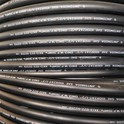
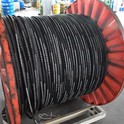
Hey there! As a supplier of low side hoses, I often get asked about how to check the compatibility of a low side hose with a system. It's a crucial question because using an incompatible hose can lead to all sorts of problems, from leaks to system failures. So, let's dive right in and explore this topic in detail.
Understanding the Basics of Low Side Hoses
Before we start checking for compatibility, it's important to understand what low side hoses are and what they do. Low side hoses are an essential part of many systems, especially in refrigeration and air - conditioning units. They are responsible for carrying refrigerant at low pressure from the evaporator to the compressor.
Low side hoses need to be flexible, durable, and able to withstand the specific conditions of the system they're used in. Different systems have different requirements, such as temperature ranges, pressure levels, and the type of refrigerant used.
Step 1: Check the Refrigerant Type
The first thing you need to do when checking the compatibility of a low side hose with a system is to identify the type of refrigerant used in the system. There are several common refrigerants, like R - 134a, R - 410A, and R - 22. Each refrigerant has its own chemical properties and requires a hose that can handle it.
For example, some hoses are specifically designed for use with R - 134a, which is a common refrigerant in automotive air - conditioning systems. Using a hose that's not compatible with R - 134a can lead to chemical reactions that damage the hose and cause leaks. You can usually find the refrigerant type in the system's manual or on a label attached to the unit.
Step 2: Evaluate the Pressure Rating
Another critical factor is the pressure rating of the low side hose. The pressure in the low side of a system can vary depending on the application. You need to make sure that the hose you're using can handle the maximum pressure that the system can generate.
Most low side hoses come with a pressure rating specified by the manufacturer. This rating indicates the maximum pressure the hose can safely withstand. If the system operates at a higher pressure than the hose's rating, there's a high risk of the hose bursting, which can be extremely dangerous.
Step 3: Consider the Temperature Range
Temperature is also a key consideration. Different systems operate at different temperature ranges, and the low side hose needs to be able to function properly within those temperatures.
In a refrigeration system, for instance, the low side hose may be exposed to very low temperatures. If the hose is not designed to handle these low temperatures, it can become brittle and crack, leading to leaks. On the other hand, if the system operates at high temperatures, the hose needs to be able to resist heat without degrading.
Step 4: Look at the Hose Material
The material of the low side hose plays a significant role in its compatibility with a system. Common materials include rubber, synthetic polymers, and metal - reinforced hoses.
Rubber hoses are flexible and relatively inexpensive, but they may not be suitable for all applications. Some refrigerants can react with rubber, causing it to swell or deteriorate over time. Synthetic polymer hoses, on the other hand, are often more resistant to chemicals and can handle a wider range of temperatures. Metal - reinforced hoses are very strong and can withstand high pressures, but they may be less flexible.
Step 5: Check the Fittings
The fittings on the low side hose are just as important as the hose itself. The fittings need to be compatible with the system's connections. There are different types of fittings, such as flare fittings, O - ring fittings, and compression fittings.

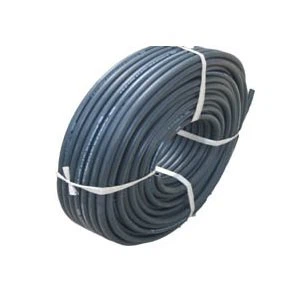
Using the wrong type of fitting can result in a poor seal, which can lead to leaks. Make sure that the fittings on the hose match the connections on the system. You can find a variety of Low Pressure Hose Fittings that are designed to work with different systems.
Step 6: Examine the Hose Length and Diameter
The length and diameter of the low side hose can also affect its compatibility with a system. The length of the hose should be appropriate for the layout of the system. A hose that's too long can cause excessive pressure drop, while a hose that's too short may not reach the necessary connections.
The diameter of the hose needs to be compatible with the flow requirements of the system. If the diameter is too small, it can restrict the flow of refrigerant, reducing the efficiency of the system. If it's too large, it may not fit properly or could lead to other issues.
Step 7: Check for Industry Standards
It's always a good idea to make sure that the low side hose meets industry standards. Standards such as SAE (Society of Automotive Engineers) and ISO (International Organization for Standardization) ensure that the hose has been tested and meets certain quality and safety requirements.
Hoses that meet these standards are more likely to be compatible with a wide range of systems. You can usually find information about industry standards on the hose's packaging or in the manufacturer's documentation.
Using the Right Tools for Installation
Once you've determined that the low side hose is compatible with the system, you need to use the right tools for installation. A Hand Operated Low Pressure Hose Crimping Machine can be very useful for crimping the fittings onto the hose properly. This ensures a secure and leak - free connection.
Special Considerations for Breathing Air Systems
If you're dealing with a Low Pressure Breathing Air Hose, there are additional compatibility factors to consider. These hoses need to be made from materials that are safe for breathing air. They also need to meet strict purity and cleanliness standards to ensure that the air delivered is free from contaminants.
Conclusion
Checking the compatibility of a low side hose with a system is a multi - step process that involves considering the refrigerant type, pressure rating, temperature range, hose material, fittings, length, diameter, and industry standards. By taking the time to carefully evaluate these factors, you can ensure that the hose you choose will work effectively and safely in the system.
If you're in the market for high - quality low side hoses or need more information about compatibility, don't hesitate to reach out. We're here to help you find the perfect solution for your system. Whether you're working on a small automotive air - conditioning unit or a large industrial refrigeration system, we've got the expertise and products to meet your needs. Contact us to start a procurement discussion and get the best low side hoses for your applications.
References
- "Refrigeration and Air Conditioning Technology" by William C. Whitman, William M. Johnson, and John Tomczyk.
- "Handbook of Piping Design" by Nayyar A. Siddiqui.