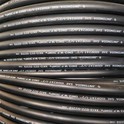
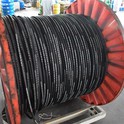
When it comes to hydraulic systems, the choice of a hydraulic hose with a suitable cover material is crucial. As a supplier of hydraulic hoses, I've witnessed firsthand how the right cover material can enhance the performance, durability, and safety of hydraulic systems. In this blog post, I'll share some insights on how to choose a hydraulic hose with a suitable cover material.
Understanding the Role of the Hose Cover
The cover of a hydraulic hose serves as a protective layer for the inner components. It shields the hose from external factors such as abrasion, chemicals, extreme temperatures, and environmental conditions. A well - chosen cover material can significantly extend the lifespan of the hose and prevent premature failures.
Factors to Consider When Choosing a Cover Material
1. Abrasion Resistance
In many industrial applications, hoses are often exposed to rough surfaces, moving parts, or abrasive materials. For instance, in construction equipment or mining operations, hoses may rub against metal structures or be in contact with rocks and gravel. In such cases, a cover material with high abrasion resistance is essential.
One option is a rubber cover with a high - quality compound formulated for abrasion resistance. The [JINTONGDA Rubber Hose 15m](/hydraulic - rubber - hose/jintongda - rubber - hose - 15m.html) is an example of a hose with a cover designed to withstand significant abrasion. Its rubber cover is engineered to resist wear and tear, ensuring a longer service life even in harsh environments.
2. Chemical Resistance
Hydraulic systems may come into contact with various chemicals, including oils, solvents, and corrosive substances. Different cover materials have different levels of chemical resistance. For example, if the hydraulic system is used in a chemical processing plant, a cover material that can resist the specific chemicals present in the environment is required.
Fluoropolymer covers are known for their excellent chemical resistance. They can withstand a wide range of aggressive chemicals, making them suitable for applications where exposure to chemicals is common. On the other hand, some rubber covers can also offer good resistance to certain types of oils and solvents. The [Rubber Hose Pipe](/hydraulic - rubber - hose/rubber - hose - pipe.html) may have a rubber cover that is formulated to resist common hydraulic fluids and mild chemicals.
3. Temperature Resistance
Hydraulic systems can operate in a wide range of temperatures. Extreme heat or cold can affect the performance and integrity of the hose cover. In high - temperature applications, such as in steel mills or near engines, a cover material that can withstand elevated temperatures is necessary.
Silicone rubber covers are often used in high - temperature applications. They can maintain their flexibility and physical properties at temperatures up to several hundred degrees Celsius. In cold - weather applications, such as in Arctic regions or refrigeration systems, a cover material that remains flexible at low temperatures is required. Some synthetic rubber covers are designed to be flexible even in extremely cold conditions.
4. Environmental Conditions
The environment in which the hydraulic hose will be used also plays a significant role in the choice of cover material. Outdoor applications expose hoses to sunlight, moisture, and ozone. Sunlight can cause the degradation of some materials over time, while moisture can lead to corrosion and mold growth.
A weather - resistant cover material, such as a neoprene rubber cover, can protect the hose from the damaging effects of sunlight, moisture, and ozone. Neoprene is also resistant to some chemicals and has good abrasion resistance, making it a versatile choice for outdoor applications. The [Industrial Rubber Hose](/hydraulic - rubber - hose/industrial - rubber - hose.html) may be available with a neoprene cover for such environmental conditions.

5. Flexibility and Bend Radius
In some applications, the hose needs to be flexible and able to bend without kinking or losing its performance. The cover material can affect the flexibility of the hose. For example, a thin - walled rubber cover may offer more flexibility compared to a thick - walled or rigid cover material.
When considering the bend radius of the hose, it's important to choose a cover material that allows the hose to bend to the required radius without causing damage to the inner layers. Some hoses are designed with a specific bend radius in mind, and the cover material is selected to support this design.
Types of Cover Materials
1. Rubber Covers
Rubber is one of the most common cover materials for hydraulic hoses. It offers a good balance of properties, including flexibility, abrasion resistance, and chemical resistance. Natural rubber is known for its excellent elasticity and low - cost, but it may not have the best resistance to chemicals and ozone. Synthetic rubbers, such as nitrile rubber, neoprene, and EPDM, offer improved chemical and environmental resistance.
Nitrile rubber is commonly used in applications where resistance to oil and fuel is required. Neoprene is a popular choice for outdoor applications due to its weather resistance. EPDM is known for its resistance to high - temperature steam and some chemicals.

2. Thermoplastic Covers
Thermoplastic covers are becoming increasingly popular in hydraulic hose applications. They offer several advantages, including high flexibility, light weight, and good chemical resistance. Thermoplastic materials can be easily molded into different shapes and sizes, allowing for more customized hose designs.
Some thermoplastic covers are also highly resistant to abrasion and can withstand a wide range of temperatures. They are often used in applications where weight is a concern, such as in aerospace or automotive industries.
3. Metal Covers
In some high - pressure or extreme - environment applications, metal covers may be used. Metal covers, such as stainless steel braids or armor, provide excellent protection against abrasion, high - pressure impact, and mechanical damage. They are commonly used in applications where the hose needs to be protected from sharp objects or high - velocity projectiles.
Compatibility with the Inner Tube
It's important to ensure that the cover material is compatible with the inner tube of the hydraulic hose. The inner tube is in direct contact with the hydraulic fluid, and any chemical reaction between the cover material and the inner tube can lead to hose failure.
Most hose manufacturers carefully select the cover and inner tube materials to ensure compatibility. However, when choosing a hose, it's still a good idea to check with the manufacturer or supplier to confirm that the materials are compatible and suitable for the specific hydraulic fluid being used.
Cost Considerations
The cost of the hose is also an important factor to consider. Different cover materials have different costs associated with them. For example, high - performance materials such as fluoropolymers or metal covers are generally more expensive than standard rubber covers.
When making a cost - benefit analysis, it's important to consider the long - term costs. A more expensive hose with a high - quality cover material may last longer and require less maintenance, resulting in lower overall costs in the long run.
Conclusion
Choosing a hydraulic hose with a suitable cover material is a complex decision that requires careful consideration of various factors. As a hydraulic hose supplier, I recommend evaluating the specific requirements of your application, including abrasion resistance, chemical resistance, temperature resistance, environmental conditions, flexibility, and cost.
If you're still unsure about which cover material is best for your hydraulic hose, don't hesitate to contact us. Our team of experts can provide you with personalized advice and help you select the right hose for your needs. Whether you're looking for a [JINTONGDA Rubber Hose 15m](/hydraulic - rubber - hose/jintongda - rubber - hose - 15m.html), a [Rubber Hose Pipe](/hydraulic - rubber - hose/rubber - hose - pipe.html), or an [Industrial Rubber Hose](/hydraulic - rubber - hose/industrial - rubber - hose.html), we have a wide range of options to meet your requirements. Let's start a conversation and find the perfect hydraulic hose solution for your business.
References
- Fluid Power Handbook, published by the Fluid Power Society.
- Hydraulic Systems Design and Application, by John Doe.
- Hose Manufacturing and Selection Guide, available from leading hose manufacturers.