As a supplier of Rubber Hose EN853, ensuring the tightness of connections is of utmost importance. A loose connection in a hydraulic system using these hoses can lead to fluid leakage, reduced system efficiency, and even pose safety hazards. In this blog, I will share some effective ways to ensure the tightness of Rubber Hose EN853 connections.
Understanding Rubber Hose EN853
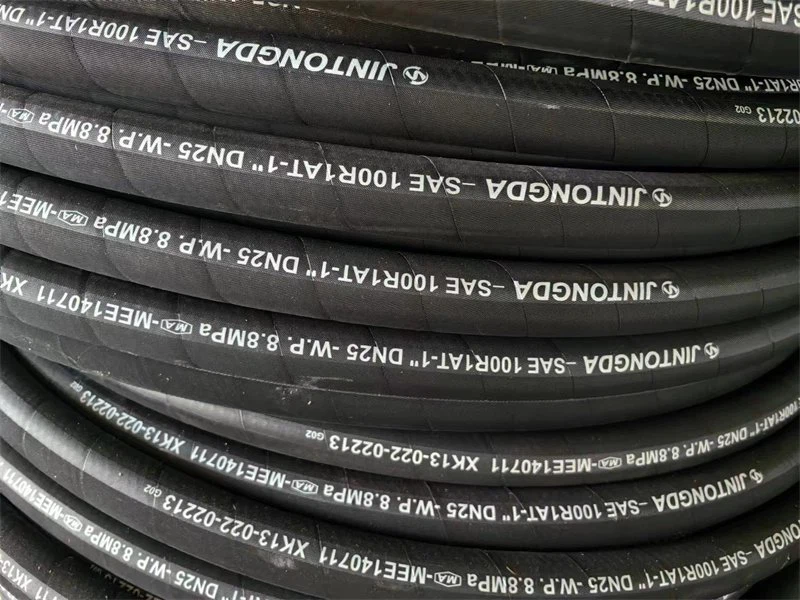
Before delving into connection tightness, it's essential to have a basic understanding of Rubber Hose EN853. This type of hose is designed and manufactured according to the EN853 standard, which is widely recognized in the hydraulic industry. It is often used in various hydraulic applications, such as construction machinery, agricultural equipment, and industrial manufacturing.
The EN853 standard specifies the technical requirements for rubber hoses, including material properties, structure, and performance. Rubber Hose EN853 typically consists of an inner tube, reinforcement layers, and an outer cover. The inner tube is in direct contact with the hydraulic fluid and must be resistant to the fluid's chemical properties. The reinforcement layers provide strength and pressure resistance, while the outer cover protects the hose from external damage, such as abrasion, weathering, and heat.
You can find more information about Rubber Hose EN853 on our website.

Selecting the Right Fittings
One of the first steps in ensuring tight connections is selecting the right fittings for the Rubber Hose EN853. Fittings play a crucial role in creating a secure and leak - free connection between the hose and other components in the hydraulic system, such as pumps, valves, and cylinders.
- Compatibility: The fittings must be compatible with the Rubber Hose EN853 in terms of size, material, and pressure rating. For example, the inner diameter of the fitting should match the outer diameter of the hose precisely. Using incompatible fittings can lead to a poor seal and potential leakage.
- Quality: High - quality fittings are essential for long - term tightness. Look for fittings that are made from durable materials, such as stainless steel or high - strength alloys. These materials can withstand the high pressures and harsh operating conditions typically encountered in hydraulic systems.
- Type: There are different types of fittings available, such as crimp fittings, reusable fittings, and flared fittings. Crimp fittings are widely used because they provide a strong and reliable connection. They are installed by crimping the fitting onto the hose using a specialized crimping machine. Reusable fittings, on the other hand, can be disassembled and reassembled, which is convenient for maintenance and repair. However, they may require more careful installation to ensure tightness.
Proper Installation of Fittings
Even with the right fittings, improper installation can result in loose connections. Here are some key points to keep in mind during the installation process:
- Cleaning: Before installing the fittings, make sure the ends of the Rubber Hose EN853 are clean. Any dirt, debris, or oil on the hose surface can prevent a proper seal. Use a clean cloth or a suitable cleaning agent to wipe the hose ends thoroughly.
- Cutting: The hose should be cut straight and cleanly. A jagged or uneven cut can cause problems when inserting the hose into the fitting. Use a sharp hose cutter to ensure a precise cut.
- Insertion: Insert the hose into the fitting carefully and fully. The hose should be inserted up to the recommended depth, which is usually marked on the fitting. Make sure the hose is centered within the fitting to avoid any misalignment.
- Crimping (for crimp fittings): If using crimp fittings, follow the manufacturer's instructions for crimping. The crimping process should be carried out using a calibrated crimping machine. The correct crimp diameter is crucial for a tight connection. Over - crimping can damage the hose, while under - crimping can result in a loose connection.
Regular Inspection and Maintenance
Once the Rubber Hose EN853 connections are installed, regular inspection and maintenance are necessary to ensure continued tightness.
- Visual Inspection: Periodically inspect the connections for any signs of leakage, such as oil stains or wet spots around the fittings. Also, check for any visible damage to the hose or fittings, such as cracks, cuts, or abrasions.
- Pressure Testing: Conduct pressure tests at regular intervals to verify the integrity of the connections. The pressure test should be carried out at a pressure slightly higher than the normal operating pressure of the system. This can help detect any potential leaks that may not be visible during a visual inspection.
- Re - tightening: Over time, the connections may loosen due to vibration, thermal expansion and contraction, or normal wear and tear. Check the tightness of the fittings regularly and re - tighten them if necessary. However, be careful not to over - tighten the fittings, as this can damage the hose or fittings.
Environmental Considerations
The operating environment can also affect the tightness of Rubber Hose EN853 connections.
- Temperature: Extreme temperatures can cause the rubber in the hose to expand or contract, which may affect the tightness of the connections. In high - temperature environments, the rubber may become softer and more prone to leakage. In low - temperature environments, the rubber may become brittle and crack. Consider using hoses and fittings that are designed to withstand the specific temperature range of the operating environment.
- Chemical Exposure: If the Rubber Hose EN853 is exposed to chemicals, such as solvents or acids, it can damage the hose and fittings, leading to loose connections. Make sure the hose and fittings are resistant to the chemicals present in the operating environment.
Training and Education
Proper training and education of the personnel involved in the installation, maintenance, and operation of the Rubber Hose EN853 connections are also important.
- Installation Training: Provide training to the installation technicians on the correct installation procedures for the Rubber Hose EN853 connections. This includes how to select the right fittings, how to install them properly, and how to perform quality checks.
- Maintenance Training: Train the maintenance staff on how to inspect and maintain the connections. They should know how to identify potential problems, how to perform pressure tests, and how to carry out necessary repairs.
Conclusion
Ensuring the tightness of Rubber Hose EN853 connections is a multi - faceted process that involves selecting the right fittings, proper installation, regular inspection and maintenance, considering environmental factors, and providing training to the relevant personnel. By following these guidelines, you can minimize the risk of leakage and ensure the reliable operation of your hydraulic system.
If you are interested in purchasing Rubber Hose EN853 or need more information about our products, please feel free to contact us for procurement discussions. We also offer a wide range of related products, such as Rubber Industry Hose and Rubber Hose 4SH.
References
- EN853 standard documentation
- Manufacturer's manuals for Rubber Hose EN853 and fittings
- Industry best practices for hydraulic hose installation and maintenance