In the dynamic landscape of hydraulic systems, the significance of reliable and high - quality components cannot be overstated. One such crucial component is the RUBBER Hose SAE R9, which plays an integral role in ensuring the smooth and efficient operation of hydraulic machinery. As a seasoned supplier of RUBBER Hose SAE R9, I've witnessed firsthand the challenges that customers face in distinguishing between genuine and counterfeit products. In this blog post, I'll share my insights on how to accurately identify genuine RUBBER Hose SAE R9.
Understanding the Basics of SAE R9 Rubber Hoses
Before delving into the identification process, it's essential to understand what SAE R9 rubber hoses are. The Society of Automotive Engineers (SAE) has established standards for hydraulic rubber hoses, and SAE R9 standards are designed for high - pressure hydraulic applications. These hoses are known for their durability, flexibility, and ability to withstand high - pressure environments.
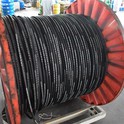
Genuine SAE R9 hoses typically consist of an inner tube, reinforcement layers, and an outer cover. The inner tube is designed to resist the hydraulic fluid, the reinforcement layers provide strength and pressure resistance, and the outer cover protects the hose from external factors such as abrasion, weather, and chemicals.
Exterior Appearance
1. Printing and Markings
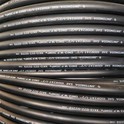
One of the first tell - tale signs of a genuine RUBBER Hose SAE R9 is the quality of its printing. Genuine hoses will have clear, sharp, and well - defined markings. These markings should include the SAE R9 specification, part number, size, and sometimes the manufacturer's logo or brand name.
The printing should withstand normal handling and exposure to the environment. Counterfeit hoses may have faint, blurry, or easily smudged markings. It's important to cross - check the printed information with the manufacturer's official documentation or website to ensure its authenticity.
2. Outer Cover Texture
The outer cover of a genuine SAE R9 hose has a consistent and smooth texture. It should feel firm but not overly hard or brittle. A high - quality outer cover will also have a uniform color. Any signs of unevenness, bumps, or discoloration could indicate a counterfeit product.
Genuine hoses are often manufactured using high - grade rubber compounds that provide excellent resistance to abrasion, weathering, and chemicals. Run your fingers over the outer cover; if it feels sticky or has a rough, sand - paper - like texture, it may be a fake.
3. Hose Ends
The hose ends are another critical area to inspect. Genuine SAE R9 hoses will have properly crimped or assembled hose ends. The crimping should be uniform and free of any signs of damage or deformation. The fittings should match the hose size and specification precisely.
Check for the presence of any burrs, sharp edges, or misaligned parts on the hose ends. Counterfeit hoses may use substandard fittings or have poorly executed crimping, which can lead to leaks and system failures.
Internal Inspection
1. Inner Tube Quality
The inner tube of a genuine SAE R9 hose should be smooth and free of any cracks, holes, or rough spots. Use a flashlight to inspect the inner tube; a high - quality inner tube will have a consistent diameter and a clean, regular surface.
The material of the inner tube is also crucial. It should be compatible with the hydraulic fluid it will be carrying. Some counterfeit hoses may use inferior inner tube materials that can swell, crack, or degrade when exposed to hydraulic fluids, leading to reduced performance and potential system failures.
2. Reinforcement Layers
Genuine SAE R9 hoses have multiple reinforcement layers that provide strength and pressure resistance. These layers are typically made of high - strength materials such as steel wire or synthetic fibers.
To inspect the reinforcement layers, you may need to cut a small section of the hose (this should be done carefully and only if necessary). A genuine hose will have well - organized and evenly spaced reinforcement layers. The layers should be firmly bonded to the inner tube and the outer cover. Counterfeit hoses may have fewer or poorly arranged reinforcement layers, resulting in lower pressure ratings and reduced durability.
Performance Testing
1. Pressure Testing
One of the most effective ways to verify the authenticity of an SAE R9 hose is through pressure testing. Genuine hoses are designed to meet specific pressure ratings as per the SAE standards.
Use a pressure testing device to gradually increase the pressure within the hose. A genuine SAE R9 hose should be able to withstand the rated pressure without any signs of leakage, bulging, or bursting. If the hose fails at a pressure lower than the specified rating, it is likely a counterfeit or substandard product.
2. Fluid Compatibility Testing
Since SAE R9 hoses are used in hydraulic systems, they need to be compatible with the hydraulic fluid they carry. Conduct a simple fluid compatibility test by immersing a small sample of the inner tube material in the hydraulic fluid for a specified period.


After the immersion, inspect the sample for any signs of swelling, softening, or degradation. A genuine hose will show minimal to no change in its properties when exposed to the appropriate hydraulic fluid.
Comparing with Similar Products
1. Knowledge of Related Standards
Familiarize yourself with other similar SAE hose standards such as RUBBER Hose SAE R17, RUBBER Hose SAE R13, and RUBBER Hose SAE R16. While each standard has its unique characteristics, understanding the differences can help you better identify SAE R9 hoses.
For example, SAE R9 hoses are typically designed for high - pressure, medium - impulse applications, while SAE R17 hoses are for high - pressure, high - impulse applications. By knowing these differences, you can determine if a hose labeled as SAE R9 truly meets the criteria.
2. Manufacturer's Reputation
Do some research on the manufacturer of the RUBBER Hose SAE R9. A reputable manufacturer will have a long - standing history of producing high - quality products and adhering to industry standards. Check for customer reviews, certifications, and industry awards.
Genuine products from well - known manufacturers are more likely to meet the specified quality and performance requirements. On the other hand, hoses from unknown or untrusted sources are more likely to be counterfeits or of inferior quality.
Conclusion
Identifying genuine RUBBER Hose SAE R9 requires a combination of visual inspection, performance testing, and knowledge of industry standards. By carefully examining the exterior appearance, conducting internal inspections, performing performance tests, and comparing with similar products, you can significantly reduce the risk of purchasing counterfeit or substandard hoses.
As a supplier of RUBBER Hose SAE R9, I am committed to providing customers with only the highest - quality products that meet or exceed industry standards. If you're in the market for SAE R9 hoses or have any questions about hose identification and selection, I encourage you to reach out for a procurement discussion. I'm here to help you make the right choice for your hydraulic system needs.
References
- Society of Automotive Engineers (SAE) standards for hydraulic rubber hoses.
- Industry publications on hydraulic system components and hose technology.