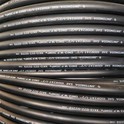
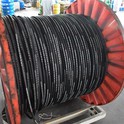
Hey there! I'm a supplier of Hyd Hose Assy, and I know how frustrating it can be when these hoses start leaking. A leaking Hyd Hose Assy not only causes a mess but can also lead to a loss of hydraulic fluid, reduced system efficiency, and even potential safety hazards. So, in this blog, I'm gonna share some tips on how to prevent a Hyd Hose Assy from leaking.
Choose the Right Hose
First things first, picking the right Hyd Hose Assy is super important. You need to consider factors like the operating pressure, temperature, and the type of hydraulic fluid used in your system. Using a hose that isn't rated for the correct pressure or temperature can cause it to fail and start leaking.
For high - pressure applications, you should go for hoses with multiple layers of reinforcement. These layers provide extra strength and can handle the pressure without bursting or leaking. You can check out different options of Hydraulic Hose on our website to find the one that suits your needs.
Also, make sure the hose material is compatible with the hydraulic fluid. Some fluids can react with certain rubber materials, causing them to swell or degrade over time. This can lead to leaks at the connections or even through the hose wall. Our Rubber Hose Pipe selection is designed to be compatible with a wide range of hydraulic fluids.
Proper Installation
Even the best - quality Hyd Hose Assy can start leaking if it's not installed correctly. Here are some key points to keep in mind during installation:
- Cut the Hose Properly: Use a sharp hose cutter to make a clean, straight cut. A jagged or uneven cut can prevent the fitting from sealing properly, leading to leaks.
- Select the Right Fittings: The fittings need to match the hose size and type. Make sure they are tightened to the correct torque. Over - tightening can damage the hose or the fitting, while under - tightening can result in a loose connection and leaks.
- Avoid Twisting the Hose: When installing the hose, make sure it's not twisted. Twisting can weaken the hose and cause it to fail prematurely. It can also put stress on the fittings, leading to leaks.
Regular Inspection
Regular inspections are crucial for preventing leaks in a Hyd Hose Assy. You should check your hoses frequently for signs of wear, damage, or aging.


- Look for Cracks and Abrasions: Check the outer surface of the hose for cracks, cuts, or abrasions. These can be caused by friction against other parts of the machinery or by exposure to sharp objects. Even small cracks can grow over time and lead to leaks.
- Check the Fittings: Inspect the fittings for signs of corrosion, loose connections, or damage. Corroded fittings can prevent a proper seal, and loose connections are an obvious source of leaks.
- Monitor the Hydraulic Fluid Level: A sudden drop in the hydraulic fluid level can be a sign of a leak. Keep an eye on the fluid level and look for any signs of fluid on the ground or around the hoses.
Maintenance and Care
Proper maintenance and care can significantly extend the life of your Hyd Hose Assy and prevent leaks.
- Keep the Hoses Clean: Dirt and debris can accumulate on the hoses and fittings, which can cause abrasion and damage over time. Regularly clean the hoses with a mild detergent and water to remove any contaminants.
- Protect the Hoses from Heat and Chemicals: High temperatures can degrade the rubber material of the hose, and exposure to certain chemicals can cause it to swell or break down. If possible, keep the hoses away from heat sources and chemicals. You can also use protective covers to shield the hoses from these elements.
- Replace Worn - Out Hoses: Don't wait until a hose starts leaking to replace it. If you notice any signs of significant wear or damage during your inspections, it's best to replace the hose as soon as possible.
Storage
If you have spare Hyd Hose Assy that you're not using right away, proper storage is essential to prevent leaks when you do use them.
- Store in a Cool, Dry Place: High humidity and extreme temperatures can damage the hoses. Store them in a cool, dry area away from direct sunlight.
- Avoid Kinking and Bending: Don't store the hoses in a way that causes them to kink or bend sharply. This can weaken the hose and lead to leaks when it's installed.
In conclusion, preventing a Hyd Hose Assy from leaking requires a combination of choosing the right hose, proper installation, regular inspection, maintenance, and correct storage. By following these tips, you can ensure that your hydraulic systems run smoothly and efficiently, without the hassle of dealing with leaks.
If you're in the market for high - quality Hyd Hose Assy, we've got you covered. We offer a wide range of hoses and fittings to meet your specific needs. Whether you're working on a small DIY project or a large industrial application, we can provide the right products at competitive prices.
If you have any questions or want to discuss your requirements, feel free to reach out. We're always happy to help you find the best solutions for your hydraulic system. Let's start a conversation and see how we can work together to keep your equipment running leak - free!
References
- Hydraulic Hose Handbook
- Industry standards for hydraulic hose installation and maintenance