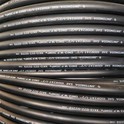
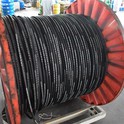
Hey there! I'm a supplier of 3/8 Rubber Hose, and I know how important it is to keep these hoses in top - notch condition. Sharp objects can be a real nightmare for rubber hoses, causing cuts, abrasions, and ultimately leading to leaks or complete failure. In this blog, I'm gonna share some tips on how to protect your 3/8 Rubber Hose from sharp objects.
Understanding the Threat
First off, let's talk about why sharp objects are such a big deal for rubber hoses. Rubber, while being flexible and durable, is still vulnerable to cuts. A small nick from a sharp edge can quickly turn into a major problem. Over time, the cut can expand due to the pressure inside the hose, and this can lead to fluid leakage if it's a Hydraulic Hose or air loss if it's used for pneumatic systems.
Common sharp objects that can damage hoses include tools like knives, saws, and scissors that might accidentally come into contact with the hose during maintenance or installation. In industrial settings, metal edges on machinery, rough surfaces, or even debris on the floor can pose a threat.
Physical Barriers
One of the simplest ways to protect your 3/8 Rubber Hose is by using physical barriers. You can use hose guards. These are usually made of materials like plastic, nylon, or metal. Plastic hose guards are lightweight and cost - effective. They can be easily wrapped around the hose and provide a layer of protection against sharp edges. Nylon guards are more flexible and can conform to the shape of the hose better, making them ideal for hoses that need to bend or move. Metal guards, on the other hand, offer the highest level of protection but are heavier and more expensive.
Another option is to use sleeves. Hose sleeves are similar to guards but are often made of a more flexible material, like fabric. They can be slipped over the hose and are great for protecting against abrasions from rough surfaces. Some sleeves are also fire - resistant, which can be an added bonus in certain environments.
Proper Installation
Proper installation is crucial in protecting your hose from sharp objects. When installing a 3/8 Rubber Hose, make sure to route it away from areas where it might come into contact with sharp edges. For example, avoid running the hose along the edge of a metal frame or near a sharp - cornered piece of equipment.
Use clamps and brackets to secure the hose in place. This not only prevents it from moving around and potentially rubbing against sharp objects but also helps to keep the hose in a proper position. When using clamps, make sure they are the right size for the hose. A clamp that is too tight can damage the hose, while one that is too loose won't hold the hose securely.
Regular Inspections
Regular inspections are a must. You should visually inspect your 3/8 Rubber Hose on a regular basis. Look for any signs of cuts, abrasions, or wear. If you notice a small cut, it's important to address it right away. In some cases, you might be able to repair the cut using a hose repair kit. However, if the damage is severe, it's better to replace the hose.
Inspections should also include checking the connections. Loose connections can cause the hose to vibrate, which can increase the risk of it coming into contact with sharp objects. Make sure all the fittings are tight and in good condition.
Training and Awareness
If you're working in an industrial or commercial setting, training your employees is essential. Make sure they are aware of the importance of protecting the hoses from sharp objects. Provide them with proper handling instructions. For example, teach them to keep tools away from the hoses and to be careful when working in areas where hoses are present.
Create a culture of safety around the use and maintenance of hoses. Encourage employees to report any potential hazards or damage to the hoses immediately. This way, you can address problems before they become major issues.


Storage
Proper storage is also important in protecting your 3/8 Rubber Hose from sharp objects. When the hose is not in use, store it in a clean, dry place. Avoid storing it in areas where it might be exposed to sharp objects, such as in a toolbox with loose tools.
You can coil the hose and hang it up using a hose hanger. This not only keeps the hose organized but also prevents it from being stepped on or getting caught on sharp edges on the floor. If you need to store the hose for an extended period, make sure to cover it with a protective cover to prevent dust and debris from accumulating on it.
Choosing the Right Hose
When it comes to protecting your hose from sharp objects, choosing the right type of Rubber Hose Pipe in the first place can make a big difference. Some hoses are designed with more abrasion - resistant materials. For example, hoses with a thick outer layer or those made from special rubber compounds are more likely to withstand contact with sharp objects.
If you're using the hose in a high - risk environment, consider investing in a Hydraulic Hose SAE J517. These hoses are built to meet certain standards and often have better resistance to cuts and abrasions compared to standard hoses.
Conclusion
Protecting your 3/8 Rubber Hose from sharp objects is not that hard if you follow these simple steps. Using physical barriers, proper installation, regular inspections, training, and proper storage can go a long way in ensuring the longevity of your hose.
If you're in the market for high - quality 3/8 Rubber Hoses or need more advice on hose protection, don't hesitate to reach out. I'm here to help you find the best solutions for your needs. Whether you're in a small workshop or a large industrial facility, we've got the right hoses for you. Contact me for a quote and let's start a great business relationship!
References
- "Hose Safety and Maintenance Guide", Industrial Hoses Association
- "Rubber Hose Handbook", Rubber Manufacturers Association