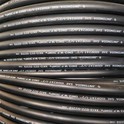
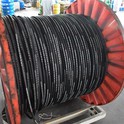
As a hydraulic hose supplier, I often encounter customers who are troubled by the noise generated by hydraulic hoses. Excessive noise not only affects the working environment but also indicates potential problems with the hydraulic system, such as wear, improper installation, or fluid flow issues. In this blog post, I will share some effective methods to reduce the noise from a hydraulic hose based on my experience in the industry.
Understanding the Sources of Hydraulic Hose Noise
Before we delve into the solutions, it's essential to understand where the noise comes from. There are several common sources of noise in hydraulic hoses:
- Fluid Flow Turbulence: When hydraulic fluid flows through the hose at high speeds, it can create turbulence, which in turn generates noise. This is especially true when the fluid encounters sudden changes in direction or diameter within the hose.
- Vibration: Hydraulic hoses can vibrate due to the pulsation of the fluid flow or the operation of other components in the hydraulic system. These vibrations can be transmitted to the surrounding structures, causing noise.
- Mechanical Contact: If the hydraulic hose comes into contact with other components or the vehicle's frame, it can produce noise through friction or impact.
Methods to Reduce Hydraulic Hose Noise
1. Proper Hose Selection
- Choose the Right Hose Size: Selecting the appropriate diameter and length of the hydraulic hose is crucial. A hose that is too small can cause high fluid velocity and turbulence, while a hose that is too long can increase the likelihood of vibration. Refer to the manufacturer's specifications to ensure you choose the correct hose size for your application. For example, our JINTONGDA Rubber Hose 15m is available in various sizes to meet different requirements.
- Use High - Quality Hoses: High - quality hoses are designed to withstand high pressures and have better internal smoothness, which can reduce fluid flow turbulence. Look for hoses that meet industry standards such as Hydraulic Hose DIN EN857. These hoses are made of superior materials and are more resistant to wear and tear, minimizing the chances of noise generation.
2. Correct Installation
- Avoid Sharp Bends: When installing the hydraulic hose, avoid making sharp bends. Sharp bends can disrupt the smooth flow of the fluid, leading to turbulence and noise. Instead, use gentle curves with a radius of at least 10 times the hose diameter.
- Secure the Hoses Properly: Ensure that the hydraulic hoses are securely clamped and supported. Loose hoses can vibrate freely, causing noise. Use hose clamps made of suitable materials to prevent the hose from moving or rubbing against other components. Make sure the clamps are not too tight, as this can damage the hose.
- Isolate the Hoses: Use vibration - isolating materials such as rubber mounts or pads to separate the hydraulic hoses from the vehicle's frame or other metal components. This can reduce the transmission of vibrations and noise.
3. Fluid Management
- Maintain the Right Fluid Level: Ensure that the hydraulic fluid level is at the correct level. Low fluid levels can cause air to enter the system, leading to cavitation and noise. Regularly check the fluid level and top it up as needed.
- Use Clean Fluid: Contaminated fluid can cause wear on the internal surfaces of the hose and other components, increasing the likelihood of noise. Use a high - quality hydraulic fluid and change it at the recommended intervals. Install a good - quality filter in the hydraulic system to remove any impurities.
4. Noise - Dampening Devices
- Install Pulsation Dampers: Pulsation dampers are devices that can reduce the pressure pulsations in the hydraulic system. By smoothing out the fluid flow, they can effectively reduce noise. These dampers are available in different types and sizes, and can be installed at strategic points in the hydraulic system.
- Wrap the Hoses with Sound - Absorbing Materials: Wrapping the hydraulic hoses with sound - absorbing materials such as acoustic blankets or tapes can help reduce the noise radiated from the hoses. These materials work by absorbing the vibrations and reducing the sound transmission.
Case Studies and Real - World Applications
Let me share a real - world example to illustrate the effectiveness of these methods. A construction company was experiencing excessive noise from the hydraulic hoses in their excavators. The noise was not only a nuisance to the operators but also indicated potential problems with the hydraulic system.
We first analyzed the situation and found that the hoses were installed with sharp bends and were not properly secured. We recommended replacing the hoses with 3 8 Rubber Hose, which had the appropriate diameter for the application. We also ensured that the new hoses were installed with gentle curves and were securely clamped.


In addition, we installed pulsation dampers in the hydraulic system to reduce the pressure pulsations. After these improvements, the noise level from the hydraulic hoses was significantly reduced. The operators reported a more comfortable working environment, and the overall performance of the hydraulic system improved.
Conclusion
Reducing the noise from hydraulic hoses is essential for improving the working environment, extending the lifespan of the hydraulic system, and ensuring its reliable operation. By following the methods mentioned above, including proper hose selection, correct installation, fluid management, and the use of noise - dampening devices, you can effectively minimize the noise generated by hydraulic hoses.
If you are facing noise issues with your hydraulic hoses or are looking for high - quality hydraulic hoses, we are here to help. As a professional hydraulic hose supplier, we offer a wide range of hoses and related products to meet your needs. Contact us to discuss your requirements and let's work together to find the best solutions for your hydraulic system.
References
- Hydraulic System Design Handbook, Manufacturer Press, 20XX
- Principles of Hydraulic Machinery, Academic Publisher, 20XX