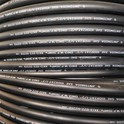
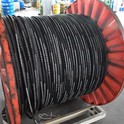
Hey there! I'm a supplier of Rubber Hose 4SP, and today I'm gonna walk you through the process of replacing this type of hose. Whether you're a DIY enthusiast or a professional in the field, this guide will help you get the job done right.
Why Replace Rubber Hose 4SP?
First off, you might be wondering why you'd need to replace your Rubber Hose 4SP. Well, over time, these hoses can wear out due to factors like high pressure, temperature changes, and general use. A worn - out hose can lead to leaks, which not only waste fluid but can also be a safety hazard. So, it's important to keep an eye on the condition of your hoses and replace them when necessary.
Tools You'll Need
Before you start the replacement process, gather the following tools:
- A pair of wrenches: You'll need these to loosen and tighten the fittings.
- A cutter: This is for cutting the old hose. Make sure it's sharp enough to get a clean cut.
- A measuring tape: To measure the length of the new hose you'll need.
- Safety goggles and gloves: Safety first! Protect your eyes and hands from any potential hazards.
Step 1: Shut Down the System
The very first thing you need to do is shut down the system that the Rubber Hose 4SP is a part of. This could be a hydraulic system or any other machinery. This step is crucial to prevent any accidental fluid release or injury. Once the system is off, relieve the pressure in the hose. You can do this by opening any pressure - relief valves according to the system's manual.
Step 2: Identify the Hose
Locate the Rubber Hose 4SP that needs to be replaced. Sometimes, there can be multiple hoses in a system, so make sure you've got the right one. Check for any signs of damage like cracks, bulges, or leaks. You can also refer to the system's schematic if you're having trouble finding the specific hose.
Step 3: Measure the Hose
Use your measuring tape to measure the length of the old hose. Measure from end - to - end, including the fittings. It's important to get an accurate measurement so that the new hose fits properly. Write down the measurement so you don't forget it.
Step 4: Remove the Old Hose
Now it's time to remove the old hose. Use your wrenches to loosen the fittings at both ends of the hose. Be careful not to damage the fittings or the surrounding components. Once the fittings are loose, gently pull the hose out. You might need to wiggle it a bit if it's stuck.
Step 5: Choose the Right Replacement Hose
As a Rubber Hose 4SP supplier, I can tell you that it's crucial to choose the right replacement hose. Make sure it has the same specifications as the old one, including the inner diameter, outer diameter, and working pressure. You can also consider other types of hoses like Rubber Hose EN856, Rubber Hose 1SN, or Rubber Hose EN853 if they are suitable for your application.
Step 6: Install the New Hose
Take your new Rubber Hose 4SP and cut it to the correct length if needed. Make sure the ends are clean and free of any debris. Then, attach the fittings to both ends of the hose. Use your wrenches to tighten the fittings securely, but don't over - tighten them as this can damage the hose or the fittings.
Step 7: Reconnect the Hose
Once the new hose is fitted with the fittings, reconnect it to the system. Make sure it's properly aligned with the ports. Tighten the fittings again to ensure a leak - free connection.
Step 8: Test the System
After the new hose is installed, it's time to test the system. Turn the system back on and check for any leaks. Monitor the pressure and the performance of the system. If everything looks good, then you've successfully replaced the Rubber Hose 4SP!


Tips for a Successful Replacement
- Keep the work area clean: This helps prevent any dirt or debris from getting into the system.
- Follow the manufacturer's instructions: Always refer to the system's manual and the hose manufacturer's guidelines.
- Inspect the new hose: Before installing it, check for any visible defects.
If you're in the market for a high - quality Rubber Hose 4SP or any of the other hoses I mentioned, I'd love to talk to you. As a supplier, I can offer you the best products at competitive prices. Whether you need just one hose or a large quantity for your business, feel free to reach out for a quote and start a procurement discussion.
References
- Hydraulic Hose Installation and Maintenance Guide
- Rubber Hose Manufacturer's Product Manuals