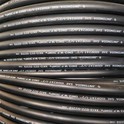
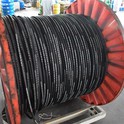
As a rubber hose pipe supplier, I've seen firsthand how important proper storage is for these flexible yet durable products. Whether you're a DIY enthusiast with a few hoses in your garage or a large - scale industrial operation with an extensive inventory, knowing how to store a rubber hose pipe can significantly extend its lifespan and maintain its performance. In this blog, I'll share some tried - and - true tips on storing rubber hose pipes.
Keep It Clean Before Storage
Before you put your rubber hose pipe away, it's crucial to clean it thoroughly. Dirt, debris, and chemicals can damage the rubber over time. If the hose has been used to transfer liquids, especially harsh chemicals, flush it out with clean water. For hoses that have been in contact with oil or grease, you might need to use a mild detergent. Just make sure to rinse it well to remove all traces of the cleaning agent. Once it's clean, let it dry completely. A damp hose can develop mold and mildew, which not only looks bad but can also weaken the rubber.
Choose the Right Location
The storage location plays a huge role in the longevity of your rubber hose pipes. First of all, find a place that's cool and dry. High temperatures can cause the rubber to become brittle and crack, while excessive moisture can lead to corrosion of any metal fittings and the growth of mold. An indoor storage area, like a basement or a climate - controlled shed, is ideal.
Avoid direct sunlight at all costs. Ultraviolet (UV) rays from the sun can break down the rubber, causing it to lose its elasticity and strength. If you have to store the hoses outside, cover them with a UV - resistant tarp.
Also, make sure the storage area is free from sharp objects. A single puncture or cut can render a hose useless. Store the hoses away from tools, machinery, or anything else that could potentially damage them.
Coiling and Hanging
How you coil and hang your rubber hose pipes matters. When coiling a hose, do it loosely. Tight coils can create stress points in the rubber, which may lead to cracks over time. You can use a hose reel for easy coiling and uncoiling. If you don't have a reel, simply coil the hose by hand, making sure the loops are evenly spaced.
When hanging the hose, use proper hooks or hangers. Avoid using nails or anything that can dig into the rubber. Hang the hose in a way that it doesn't kink. Kinks can restrict the flow of fluid through the hose and can also cause internal damage to the rubber.
Protect the Fittings
The fittings on a rubber hose pipe are often made of metal, and they're prone to rust and corrosion. Before storage, clean the fittings with a wire brush to remove any dirt or debris. Then, apply a thin layer of lubricant, like silicone grease, to prevent rust.
If the hoses have threaded fittings, consider using protective caps. These caps can keep dirt and moisture out of the threads, ensuring a tight and leak - free connection when you use the hose again.
Different Types of Rubber Hose Pipes
There are various types of rubber hose pipes, and each may have specific storage requirements. For example, Hydraulic Hose is commonly used in high - pressure applications. These hoses are often made of high - quality rubber and may have additional reinforcement layers. When storing hydraulic hoses, it's even more important to keep them clean and free from damage, as any compromise in their integrity can lead to serious safety issues.
Hydraulic Hose DIN EN856 is a type of hydraulic hose that meets specific European standards. These hoses are designed for specific applications, and proper storage can ensure they continue to meet those standards. Make sure to store them in a way that doesn't distort their shape, as this can affect their performance.
Rubber Hose To Pvc SAE R7 R8 is used in applications where a combination of rubber and PVC is required. When storing these hoses, pay attention to the different properties of rubber and PVC. PVC can be more sensitive to temperature changes, so make sure the storage area has a stable temperature.
Regular Inspections
Even when your rubber hose pipes are in storage, it's a good idea to inspect them regularly. Check for signs of damage, such as cracks, cuts, or bulges. Look at the fittings for rust or corrosion. If you notice any issues, address them immediately. Minor problems can often be fixed with simple repairs, but if the damage is severe, it may be time to replace the hose.
Stacking and Shelving
If you have a large number of rubber hose pipes, you may need to stack them on shelves. When stacking, place the hoses in a way that they don't put too much pressure on each other. Use dividers or spacers to keep the hoses separated. This helps prevent any deformation of the hoses due to the weight of the stacked items.
Make sure the shelves are sturdy and level. Uneven shelves can cause the hoses to roll or shift, increasing the risk of damage.
Consider the Environment
If you're in an area with a lot of pests, such as rodents, take precautions to protect your rubber hose pipes. Rodents can chew on the rubber, causing significant damage. You can use rodent - proof containers or place traps around the storage area.
In a industrial environment, be aware of any chemicals or fumes that could affect the rubber. Some chemicals can react with the rubber, causing it to deteriorate. If necessary, store the hoses in a sealed container or a separate area away from the source of the chemicals.


Conclusion
Proper storage of rubber hose pipes is essential for maintaining their quality and performance. By following these tips, you can ensure that your hoses last longer and are ready to use when you need them. Whether you're a small - scale user or a large - scale industrial customer, taking care of your rubber hose pipes is a smart investment.
If you're looking to purchase high - quality rubber hose pipes or need more advice on their storage and usage, feel free to reach out. We're here to help you find the right products for your needs and ensure that you get the most out of them. Contact us to start a procurement discussion and find the best solutions for your rubber hose requirements.
References
- Industry standards and guidelines for rubber hose manufacturing and storage
- Personal experience as a rubber hose pipe supplier