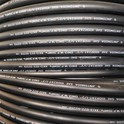
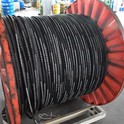
As a supplier of RUBBER Hose SAE R15, I understand the critical importance of ensuring the performance and quality of our products. In the hydraulic industry, where safety and reliability are paramount, testing the performance of RUBBER Hose SAE R15 is not just a formality but a necessity. This blog post will guide you through the key aspects of testing the performance of RUBBER Hose SAE R15, encompassing various test methods and standards that are crucial for producing high - grade hoses.
1. Understanding the Basics of RUBBER Hose SAE R15
RUBBER Hose SAE R15 is a type of hydraulic hose designed to meet the requirements of the Society of Automotive Engineers (SAE) standard J517. It is known for its high - pressure resistance, flexibility, and durability, making it suitable for a wide range of hydraulic applications. Before diving into the testing procedures, it is essential to have a clear understanding of the specifications and intended use of this hose. The SAE R15 hose typically has a synthetic rubber inner tube, multiple layers of high - tensile steel wire reinforcement, and a synthetic rubber cover, which provides protection against abrasion, ozone, and weathering.
2. Pressure Testing
One of the most fundamental performance tests for RUBBER Hose SAE R15 is pressure testing. This test evaluates the hose's ability to withstand internal pressure without bursting or leaking. There are two main types of pressure tests: proof pressure test and burst pressure test.
Proof Pressure Test
The proof pressure test is conducted to ensure that the hose can safely operate at its specified working pressure. The test involves subjecting the hose to a pressure that is typically 1.5 times the maximum working pressure for a specified period, usually 5 minutes. During this test, the hose should not show any signs of leakage, deformation, or damage. If the hose passes the proof pressure test, it indicates that it can safely handle the normal operating pressures in hydraulic systems.
Burst Pressure Test
The burst pressure test is a more extreme test that determines the maximum pressure the hose can withstand before it bursts. This test is conducted by gradually increasing the internal pressure until the hose fails. The burst pressure is usually several times higher than the working pressure. For RUBBER Hose SAE R15, the burst pressure is typically at least 4 times the maximum working pressure. The results of the burst pressure test are used to ensure a safety margin in the design and use of the hose.
3. Flexibility Testing
Flexibility is another important performance characteristic of RUBBER Hose SAE R15, especially in applications where the hose needs to be bent or routed around obstacles. Flexibility testing evaluates the hose's ability to bend without kinking or losing its performance.
Minimum Bend Radius Test
The minimum bend radius test determines the smallest radius the hose can be bent without causing damage or a significant reduction in flow capacity. To conduct this test, the hose is bent around a mandrel with a specified radius. The hose should be able to maintain its internal diameter and flow characteristics after being bent. The minimum bend radius is specified in the SAE standards and varies depending on the hose size.
Fatigue Testing under Flexing
In addition to the minimum bend radius test, fatigue testing under flexing is also important. This test simulates the repeated bending and flexing that the hose may experience during its service life. The hose is typically bent back and forth a specified number of times at a certain frequency and bend radius. After the fatigue test, the hose is inspected for signs of cracking, delamination, or other damage.
4. Temperature Resistance Testing
RUBBER Hose SAE R15 may be exposed to a wide range of temperatures in different hydraulic applications. Therefore, temperature resistance testing is crucial to ensure its performance under extreme temperature conditions.
High - Temperature Test
The high - temperature test evaluates the hose's performance at elevated temperatures. The hose is placed in an oven at a specified high temperature, usually around 100°C to 120°C, for a certain period. During this test, the hose's physical properties, such as hardness, tensile strength, and elongation, are measured before and after the test. The hose should not show significant degradation in its performance at high temperatures.
Low - Temperature Test
The low - temperature test assesses the hose's flexibility and performance at low temperatures. The hose is placed in a freezer at a specified low temperature, usually around - 40°C to - 50°C, for a certain period. After the test, the hose is bent to check its flexibility. It should not become brittle or crack at low temperatures.
5. Chemical Compatibility Testing
Since RUBBER Hose SAE R15 is often used to convey various hydraulic fluids, it is important to test its chemical compatibility with these fluids. Chemical compatibility testing evaluates the hose's resistance to swelling, hardening, or degradation when exposed to different hydraulic fluids, such as mineral oil, synthetic oil, and water - glycol mixtures.
The test involves immersing a sample of the hose in the hydraulic fluid for a specified period, usually 72 hours. After the immersion, the hose is removed, and its physical properties, such as weight, volume, hardness, and tensile strength, are measured. Any significant changes in these properties indicate a lack of chemical compatibility between the hose and the fluid.
6. Abrasion Resistance Testing
The outer cover of RUBBER Hose SAE R15 is designed to protect the hose from abrasion, which can occur when the hose rubs against other components in the hydraulic system. Abrasion resistance testing evaluates the durability of the hose cover.
One common method of abrasion resistance testing is the Taber abrasion test. In this test, a rotating abrasive wheel is applied to the surface of the hose cover under a specified load. The amount of material removed from the cover after a certain number of rotations is measured. A lower amount of material removal indicates better abrasion resistance.


7. Ozone and Weathering Resistance Testing
The hose cover also needs to be resistant to ozone and weathering, which can cause cracking and degradation over time. Ozone resistance testing involves exposing the hose to an ozone - rich environment for a specified period. The hose should not show any signs of cracking or surface degradation.
Weathering resistance testing is conducted by exposing the hose to natural or artificial weather conditions, such as sunlight, rain, and temperature variations. The hose is inspected periodically for signs of cracking, fading, or other damage. This test helps to ensure that the hose can maintain its performance and appearance in outdoor applications.
8. Comparison with Other SAE Hoses
It is also beneficial to compare the performance of RUBBER Hose SAE R15 with other similar SAE hoses, such as RUBBER Hose SAE R1AT, RUBBER Hose SAE R13, and RUBBER Hose SAE R16. Each of these hoses has its own unique characteristics and performance capabilities. By comparing the test results of different hoses, customers can make more informed decisions based on their specific application requirements. For example, the SAE R15 hose may offer higher pressure ratings and better abrasion resistance compared to some other hoses, but it may also be more expensive.
9. Conclusion and Call to Action
In conclusion, testing the performance of RUBBER Hose SAE R15 is a comprehensive process that involves multiple tests to evaluate its pressure resistance, flexibility, temperature resistance, chemical compatibility, abrasion resistance, and ozone and weathering resistance. By conducting these tests, we can ensure that our RUBBER Hose SAE R15 meets the highest quality standards and provides reliable performance in hydraulic systems.
If you are in the market for high - quality RUBBER Hose SAE R15, we invite you to contact us for more information and to discuss your specific requirements. Our team of experts is ready to assist you in selecting the right hose for your application and ensuring that it meets your performance expectations.
References
- Society of Automotive Engineers (SAE) Standard J517
- ASTM International standards related to rubber hoses and hydraulic testing
- Industry best practices and guidelines for hydraulic hose testing