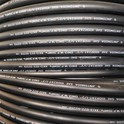
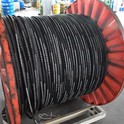
As a dedicated supplier of RUBBER Hose SAE R16, I understand the critical importance of ensuring the performance and quality of these hoses. The RUBBER Hose SAE R16 is designed for high-pressure hydraulic systems, offering flexibility and durability in demanding applications. In this blog, I will share comprehensive insights into how to test the performance of RUBBER Hose SAE R16, ensuring that you can make informed decisions when it comes to selecting and using these hoses.
Understanding RUBBER Hose SAE R16
Before delving into the testing procedures, it's essential to have a clear understanding of what RUBBER Hose SAE R16 is. The RUBBER Hose SAE R16 is a type of hydraulic hose that conforms to the SAE (Society of Automotive Engineers) standards. It is typically constructed with an inner tube, reinforcement layers, and an outer cover. The inner tube is made of oil-resistant rubber, which comes into contact with the hydraulic fluid. The reinforcement layers, often made of high-tensile steel wire, provide the hose with the strength to withstand high pressures. The outer cover is designed to protect the hose from environmental factors such as abrasion, weather, and chemicals.
Pressure Testing
One of the most crucial performance tests for RUBBER Hose SAE R16 is pressure testing. This test determines the hose's ability to withstand the maximum working pressure without failure. To conduct a pressure test, the following steps are typically followed:
- Preparation: Select a suitable test rig that can apply the required pressure to the hose. The test rig should be equipped with a pressure gauge to accurately measure the pressure. The hose should be properly installed on the test rig, ensuring that all connections are tight and leak-free.
- Initial Inspection: Before applying pressure, visually inspect the hose for any signs of damage, such as cuts, abrasions, or bulges. Any damaged hoses should be discarded and not tested.
- Pressure Application: Gradually increase the pressure to the hose at a rate of no more than 10% of the maximum working pressure per minute. Monitor the pressure gauge closely to ensure that the pressure is increasing steadily.
- Pressure Holding: Once the maximum working pressure is reached, hold the pressure for a specified period, usually 5 minutes. During this time, carefully observe the hose for any signs of leakage, bulging, or other abnormalities.
- Pressure Release: After the holding period, gradually release the pressure at a rate of no more than 10% of the maximum working pressure per minute.
- Final Inspection: After the pressure is released, visually inspect the hose again for any signs of damage or deformation. If the hose passes the pressure test, it can be considered suitable for use.
Burst Pressure Testing
In addition to pressure testing, burst pressure testing is also conducted to determine the maximum pressure that the hose can withstand before it ruptures. This test is more severe than the pressure test and is typically used to evaluate the safety margin of the hose. To conduct a burst pressure test, the following steps are typically followed:
- Preparation: Similar to the pressure test, select a suitable test rig and properly install the hose on the test rig.
- Initial Inspection: Visually inspect the hose for any signs of damage.
- Pressure Application: Gradually increase the pressure to the hose at a rate of no more than 10% of the maximum working pressure per minute until the hose ruptures. Monitor the pressure gauge closely to record the burst pressure.
- Data Analysis: Analyze the burst pressure data to determine the safety factor of the hose. The safety factor is calculated by dividing the burst pressure by the maximum working pressure. A higher safety factor indicates a more reliable hose.
Flexibility Testing
Flexibility is another important performance characteristic of RUBBER Hose SAE R16. A flexible hose is easier to install and can better adapt to different working environments. To test the flexibility of the hose, the following steps can be taken:
- Bend Radius Test: Measure the minimum bend radius of the hose. The bend radius is the smallest radius that the hose can be bent without causing damage. To conduct this test, gradually bend the hose to a smaller radius until it reaches the minimum bend radius specified by the manufacturer. Observe the hose for any signs of kinking, cracking, or other damage.
- Flexing Test: A flexing test can also be conducted to evaluate the hose's ability to withstand repeated bending. This test involves repeatedly bending the hose through a specified angle and number of cycles. After the test, visually inspect the hose for any signs of damage or fatigue.
Temperature Testing
The performance of RUBBER Hose SAE R16 can be affected by temperature. Therefore, temperature testing is essential to ensure that the hose can operate effectively in different temperature environments. To conduct a temperature test, the following steps are typically followed:
- High-Temperature Testing: Place the hose in a temperature chamber and gradually increase the temperature to the maximum operating temperature specified by the manufacturer. Hold the temperature for a specified period, usually 24 hours. After the holding period, remove the hose from the chamber and allow it to cool to room temperature. Visually inspect the hose for any signs of damage or degradation, such as hardening, cracking, or loss of elasticity.
- Low-Temperature Testing: Similar to high-temperature testing, place the hose in a temperature chamber and gradually decrease the temperature to the minimum operating temperature specified by the manufacturer. Hold the temperature for a specified period, usually 24 hours. After the holding period, remove the hose from the chamber and allow it to warm to room temperature. Visually inspect the hose for any signs of damage or brittleness.
Abrasion Resistance Testing
The outer cover of RUBBER Hose SAE R16 is designed to protect the hose from abrasion. Therefore, abrasion resistance testing is important to evaluate the durability of the outer cover. To conduct an abrasion resistance test, the following steps can be taken:
- Test Setup: Use an abrasion testing machine that can apply a specified amount of abrasion force to the hose. The test machine should be equipped with an abrasive wheel or belt.
- Test Procedure: Place the hose on the test machine and apply the abrasion force for a specified number of cycles. After the test, measure the amount of material removed from the outer cover. A lower amount of material removed indicates better abrasion resistance.
Chemical Resistance Testing
Since RUBBER Hose SAE R16 comes into contact with hydraulic fluid and other chemicals, chemical resistance testing is necessary to ensure that the hose can withstand the effects of these chemicals. To conduct a chemical resistance test, the following steps are typically followed:
- Chemical Selection: Select the chemicals that the hose is likely to come into contact with in its intended application. These chemicals may include hydraulic fluids, oils, solvents, and cleaning agents.
- Immersion Test: Immerse the hose in the selected chemicals for a specified period, usually 72 hours. After the immersion period, remove the hose from the chemicals and allow it to dry. Visually inspect the hose for any signs of damage, such as swelling, softening, or discoloration.
- Performance Evaluation: Evaluate the performance of the hose after the chemical immersion test. This may include measuring the change in the hose's physical properties, such as hardness, tensile strength, and elongation.
Conclusion
Testing the performance of RUBBER Hose SAE R16 is essential to ensure its reliability and safety in high-pressure hydraulic applications. By conducting pressure testing, burst pressure testing, flexibility testing, temperature testing, abrasion resistance testing, and chemical resistance testing, you can accurately evaluate the hose's performance and make informed decisions when selecting and using these hoses.


As a supplier of RUBBER Hose SAE R16, we are committed to providing high-quality hoses that meet or exceed the industry standards. Our hoses are rigorously tested to ensure their performance and reliability. If you are in the market for RUBBER Hose SAE R16 or other hydraulic hoses, such as RUBBER Hose SAE R17 or RUBBER Hose SAE R13, please feel free to contact us for more information and to discuss your specific requirements. We look forward to the opportunity to serve you and provide you with the best hydraulic hose solutions.
References
- Society of Automotive Engineers (SAE) standards for hydraulic hoses.
- Manufacturer's specifications and guidelines for RUBBER Hose SAE R16.
- Industry best practices for hydraulic hose testing.