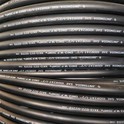
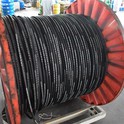
Hey there! As a proud supplier of Rubber Hose 1SC, I often get asked this burning question – “Is Rubber Hose 1SC fire - resistant?” It’s a crucial query, especially for folks in industries where fire safety is no joke. So, let’s dig into this topic and find out the deal with Rubber Hose 1SC and its fire - resistant properties.
Understanding Rubber Hose 1SC
First off, let’s quickly go over what Rubber Hose 1SC is. It’s a type of hydraulic rubber hose that’s known for its durability and flexibility. It's commonly used in a bunch of hydraulic systems out there in the industrial world. Whether it's in construction equipment, agricultural machinery, or manufacturing plants, Rubber Hose 1SC gets the job done when it comes to transporting hydraulic fluid.


Fire - Resistance Basics
Before we talk about whether Rubber Hose 1SC is fire - resistant, let's understand what “fire - resistant” really means. A fire - resistant material is one that can resist the spread of fire or withstand high temperatures without catching fire easily. It's not the same as fireproof, though. Fireproof materials won't burn at all, while fire - resistant ones can delay the ignition and slow down the progress of a fire.
Factors Affecting Fire - Resistance of Rubber Hoses
There are several things that can affect how fire - resistant a rubber hose like Rubber Hose 1SC is.
Material Composition: The type of rubber used in the hose plays a huge role. Some rubbers are naturally more heat - resistant than others. For example, certain synthetic rubbers can be formulated to have better resistance to high temperatures. The additives and fillers mixed into the rubber also matter. These can be things like fire - retardant chemicals that help in reducing the hose's flammability.
Wall Thickness: A thicker hose wall generally provides better insulation against heat. If the hose wall is thicker, it takes longer for the heat to penetrate through to the inner layers and potentially cause ignition.
Working Environment: Where the hose is used also makes a difference. If it's in an environment where there are high - temperature sources nearby, like engines or furnaces, the hose is going to face more heat stress. On the other hand, if it's in a cooler environment, the risk of it catching fire is lower.
Is Rubber Hose 1SC Fire - Resistant?
The short answer is that Rubber Hose 1SC isn't inherently fire - resistant. It's primarily designed for hydraulic applications, focusing on factors like pressure resistance and flexibility. However, that doesn't mean there aren't ways to make it more fire - resistant.
Some manufacturers can treat the Rubber Hose 1SC with fire - retardant coatings or use fire - resistant rubber compounds during the manufacturing process. These treatments can significantly improve the hose's ability to withstand fire. But it's important to note that even with these treatments, it's not fireproof. It just has a better chance of holding up in a high - heat situation compared to an untreated hose.
Comparing with Other Hoses
It's interesting to compare Rubber Hose 1SC with other types of hoses when it comes to fire - resistance. For example, let's take a look at Rubber Hose 1SN. Similar to Rubber Hose 1SC, it's a hydraulic hose. But it might have different material properties and construction, which could affect its fire - resistance.
Then there's Rubber Hose 2SC. This hose tends to have different layer configurations and possibly different rubber compounds. Depending on these factors, its fire - resistance could be better or worse compared to Rubber Hose 1SC.
And if you're looking at Rubber Hose EN856, it has its own set of standards and specifications. Some versions of Rubber Hose EN856 may be more fire - resistant due to their specific design requirements.
Applications and Fire Risks
In industries where there's a high risk of fire, you need to be extra careful when using Rubber Hose 1SC. For example, in the mining industry, there are often high - temperature equipment and potential sources of ignition. If a rubber hose catches fire in a mining operation, it could lead to a serious safety hazard and cause significant damage.
Similarly, in the oil and gas industry, where there are flammable substances around, the fire - resistance of hoses is of utmost importance. Even though Rubber Hose 1SC might not be fire - resistant straight out of the box, special precautions can be taken. You could use protective covers or install the hose in a way that minimizes its exposure to high - heat sources.
Making an Informed Decision
If you're in the market for a rubber hose and fire - resistance is a top priority for you, here are a few things to consider.
First, talk to your supplier (like me!). We can provide you with detailed information about the fire - retardant treatments available for Rubber Hose 1SC. We can also tell you about the performance data and any testing that has been done on the hoses.
Second, look at the specific requirements of your application. If you're working in an extremely high - risk fire environment, you might need to consider other types of hoses or additional safety measures.
Contact for Purchase and Discussion
If you're interested in learning more about Rubber Hose 1SC or have questions regarding its fire - resistance, don't hesitate to reach out. I'm here to help you make the best decision for your needs. Whether you're just starting to research or are ready to place an order, I can provide you with all the information you need and assist you in the procurement process.
References
- Industry standards for hydraulic rubber hoses
- Research reports on rubber materials and their fire - resistant properties
- Technical manuals from rubber hose manufacturers