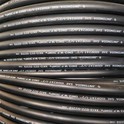
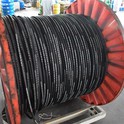
As a supplier of Rubber Hose 1SC, I've received numerous inquiries regarding its performance in low - temperature environments. This blog post aims to comprehensively analyze whether Rubber Hose 1SC is suitable for such conditions.
Understanding Rubber Hose 1SC
Before delving into its performance in low - temperature environments, let's first understand what Rubber Hose 1SC is. Rubber Hose 1SC is a type of hydraulic hose that is widely used in various industrial applications. It is designed to handle high - pressure hydraulic fluids, making it an essential component in hydraulic systems.
Compared with other similar hoses such as Rubber Hose EN853, Rubber Hose EN857, and Rubber Hose 1SN, Rubber Hose 1SC has its own unique features. It is typically constructed with a synthetic rubber inner tube, one or more layers of high - tensile steel wire braid reinforcement, and a synthetic rubber cover. This construction provides it with excellent strength, flexibility, and resistance to abrasion, ozone, and weathering.
The Impact of Low Temperatures on Rubber Hoses
Low temperatures can have a significant impact on the performance of rubber hoses. Rubber is a viscoelastic material, which means its mechanical properties are highly dependent on temperature. As the temperature drops, the rubber becomes stiffer and less flexible. This can lead to several problems:
- Reduced Flexibility: At low temperatures, the rubber in the hose loses its ability to bend easily. This can make it difficult to install the hose, especially in applications where tight bends are required. Additionally, reduced flexibility can increase the stress on the hose during operation, potentially leading to premature failure.
- Increased Brittleness: Cold temperatures can cause the rubber to become brittle. When a brittle hose is subjected to mechanical stress, such as vibration or pressure surges, it is more likely to crack or rupture. This can result in fluid leakage, which not only poses a safety hazard but also leads to system downtime and increased maintenance costs.
- Hardening of Seals: The seals used in conjunction with rubber hoses can also be affected by low temperatures. Hardened seals may not provide a proper seal, leading to leaks at the hose connections.
Is Rubber Hose 1SC Suitable for Low - Temperature Environments?
The suitability of Rubber Hose 1SC for low - temperature environments depends on several factors:
- Rubber Compound: The type of rubber compound used in the inner tube and cover of the hose plays a crucial role in its low - temperature performance. Some synthetic rubber compounds are specifically formulated to maintain flexibility and resistance to brittleness at low temperatures. For example, nitrile rubber (NBR) has relatively good low - temperature performance, while neoprene rubber has better resistance to oil and chemicals but may be less suitable for extremely cold conditions. When choosing Rubber Hose 1SC, it is important to select a hose with a rubber compound that is appropriate for the expected operating temperature range.
- Reinforcement Materials: The reinforcement materials in the hose, such as the steel wire braid, can also be affected by low temperatures. Although steel is generally less sensitive to temperature changes compared to rubber, extreme cold can cause the steel to contract, which may increase the stress on the rubber layers. However, proper design and construction of the hose can minimize the impact of these temperature - related effects.
- Operating Conditions: In addition to the ambient temperature, the operating conditions of the hydraulic system also need to be considered. For example, if the hose is exposed to intermittent cold rather than continuous low temperatures, it may have a better chance of surviving without significant damage. Similarly, if the hose is insulated or protected from direct exposure to cold air, its performance in low - temperature environments can be improved.
In general, if the low - temperature environment is not extremely cold (e.g., above - 20°C to - 30°C), Rubber Hose 1SC with a suitable rubber compound can perform reasonably well. However, for applications in extremely cold regions, such as the Arctic or Antarctic, special low - temperature - rated hoses may be required.
Mitigating the Effects of Low Temperatures
If you need to use Rubber Hose 1SC in a low - temperature environment, there are several measures you can take to mitigate the effects of cold:
- Insulation: Insulating the hose can help to maintain its temperature and prevent it from getting too cold. There are various types of insulation materials available, such as foam insulation sleeves, which can be easily installed on the hose.
- Heating Systems: In some cases, it may be necessary to install heating systems to keep the hose and the hydraulic fluid at an appropriate temperature. Electric heating tapes or fluid - heated jackets can be used to provide controlled heating.
- Proper Storage and Handling: When storing Rubber Hose 1SC in cold environments, it is important to keep the hose in a warm place until it is ready to be installed. Avoid exposing the hose to direct sunlight or extreme temperature changes during handling.
Conclusion
In conclusion, whether Rubber Hose 1SC is suitable for low - temperature environments depends on a variety of factors, including the rubber compound, reinforcement materials, and operating conditions. While it can perform well in moderately cold conditions, special considerations and precautions are needed for extremely low - temperature applications.
As a supplier of Rubber Hose 1SC, we are committed to providing our customers with high - quality hoses that meet their specific requirements. If you are considering using Rubber Hose 1SC in a low - temperature environment, we recommend consulting with our technical experts. They can help you select the right hose based on your application and provide guidance on how to ensure its optimal performance in cold conditions.
If you are interested in purchasing Rubber Hose 1SC or have any questions about its performance in low - temperature environments, please feel free to contact us. We look forward to discussing your needs and providing you with the best solutions.


References
- ASTM International. (20XX). Standard test methods for rubber properties in low - temperature environments.
- ISO (International Organization for Standardization). (20XX). International standards for hydraulic rubber hoses.
- Industry technical manuals on rubber hose design and application.