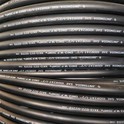
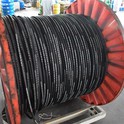
Hey there! As a supplier of RUBBER Hose SAE R15, I often get asked whether this type of hose is resistant to ozone. Well, let's dive right into it and find out.
First off, let's understand what ozone is and why it can be a problem for rubber hoses. Ozone is a highly reactive form of oxygen. It's present in the Earth's atmosphere, especially in areas with high levels of pollution or near electrical equipment that generates corona discharge. When rubber comes into contact with ozone, it can cause the rubber to crack, harden, and eventually fail. This is a big deal for rubber hoses because they're used in all sorts of applications, from automotive to industrial, and a failed hose can lead to leaks, equipment damage, and even safety hazards.
Now, let's talk about RUBBER Hose SAE R15. This hose is designed to meet the standards set by the Society of Automotive Engineers (SAE). The SAE has specific requirements for different types of hoses, and the R15 designation means that this hose is a high - pressure hydraulic hose. It's commonly used in applications where there's a need for reliable fluid transfer under high pressure.
So, is RUBBER Hose SAE R15 resistant to ozone? The short answer is yes, but it depends on a few factors. Most RUBBER Hose SAE R15 hoses are made from synthetic rubber compounds that are formulated to have good ozone resistance. These compounds are designed to withstand the oxidative effects of ozone and prevent cracking and degradation.
One of the key factors that determine the ozone resistance of RUBBER Hose SAE R15 is the type of rubber used in its construction. For example, hoses made from materials like nitrile rubber (NBR) or ethylene - propylene - diene monomer (EPDM) generally have good ozone resistance. NBR is known for its oil resistance, while EPDM has excellent weather and ozone resistance. Some manufacturers may also add anti - ozone agents to the rubber compound during the manufacturing process. These agents act as a protective barrier, preventing ozone from attacking the rubber molecules.
Another factor is the environment in which the hose is used. If the hose is exposed to high levels of ozone for long periods, even a hose with good ozone resistance can eventually show signs of degradation. For instance, in industrial areas with heavy air pollution or near electrical substations where ozone is generated, the hose may experience more stress from ozone exposure. On the other hand, if the hose is used in a relatively clean environment with low ozone levels, it will likely last much longer without any significant ozone - related damage.
Let's compare RUBBER Hose SAE R15 with some other types of hoses in terms of ozone resistance. Take the RUBBER Hose SAE R1AT for example. This hose is also a hydraulic hose, but it may have different ozone resistance characteristics depending on its construction. Some R1AT hoses may be more focused on other properties like flexibility or abrasion resistance, and their ozone resistance may not be as good as that of RUBBER Hose SAE R15.
The RUBBER Hose SAE R16 is another high - pressure hydraulic hose. Similar to R15, it's designed to meet certain SAE standards. However, the specific rubber compounds and manufacturing processes used for R16 may result in different levels of ozone resistance. In some cases, R16 may have comparable ozone resistance to R15, but it's always important to check the manufacturer's specifications.
When it comes to maintaining the ozone resistance of RUBBER Hose SAE R15, there are a few things you can do. First, make sure the hose is installed correctly. Incorrect installation can cause stress on the hose, which may make it more susceptible to ozone damage. Second, avoid exposing the hose to unnecessary sources of ozone. If possible, keep the hose away from areas with high levels of pollution or electrical equipment that generates ozone. Regular inspection of the hose is also crucial. Look for any signs of cracking, hardening, or other forms of damage. If you notice any issues, it's best to replace the hose before it fails completely.
As a supplier of RUBBER Hose SAE R15, I can assure you that the hoses we offer are of high quality and have good ozone resistance. We work with top - notch manufacturers who use the latest technology and high - quality materials to produce these hoses. Our hoses are tested rigorously to ensure they meet or exceed the SAE standards for ozone resistance and other performance criteria.
If you're in the market for RUBBER Hose SAE R15 or have any questions about its ozone resistance or other properties, don't hesitate to reach out. Whether you're an automotive repair shop, an industrial manufacturer, or just someone in need of a reliable hydraulic hose, we can provide you with the right product for your needs. We're here to help you make the best choice and ensure that your equipment runs smoothly and safely.
In conclusion, RUBBER Hose SAE R15 is generally resistant to ozone, thanks to its well - designed rubber compounds and manufacturing processes. However, proper installation, maintenance, and consideration of the operating environment are all important factors in ensuring its long - term performance. So, if you're looking for a high - quality, ozone - resistant hydraulic hose, give RUBBER Hose SAE R15 a try.
References


- Society of Automotive Engineers (SAE) standards for hydraulic hoses
- Technical literature from rubber hose manufacturers
- Research on the effects of ozone on rubber materials