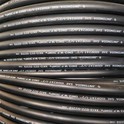
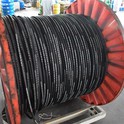
Hey there! As a low pressure hose supplier, I've been dealing with all sorts of low pressure hoses for years. One question I get asked a lot is, "What are the common sizes of low pressure hoses?" Well, let's dive right into it.
Common Diameters
The diameter of a low pressure hose is a crucial factor. It determines how much fluid or gas can flow through the hose at a given time. The most common diameters for low pressure hoses range from 1/8 inch to 2 inches.
- 1/8 - 1/4 inch hoses: These are the smallest common sizes. They're often used in applications where only a small amount of fluid or gas needs to be transferred. For example, in some small - scale laboratory equipment or in certain types of pneumatic tools where the air consumption is low. If you're looking for a Colored Rubber Hose in these small sizes, we've got you covered. They're not only functional but also come in a variety of colors, which can be handy for color - coding different systems.
- 3/8 - 1/2 inch hoses: These are probably the most widely used sizes in general industrial and home applications. A 3/8 - inch hose can handle a moderate flow rate, making it suitable for things like garden hoses for watering plants, or for connecting air compressors to smaller air tools. The 1/2 - inch hose, on the other hand, can carry a bit more fluid or gas. It's often used in larger pneumatic systems, such as those in automotive repair shops for powering air guns and other tools. Our Low Pressure Breathing Air Hose is available in these sizes, ensuring a safe and reliable supply of breathing air in various environments.
- 3/4 - 2 inch hoses: These larger - diameter hoses are used when high - volume flow is required. In industrial settings, they might be used for transferring large amounts of water, chemicals, or other fluids. For example, in a manufacturing plant, a 2 - inch hose could be used to move coolant from a storage tank to a machine. Our Miflex Low Pressure Hose comes in these larger sizes, offering flexibility and durability for heavy - duty applications.
Common Lengths
In addition to diameter, the length of the low pressure hose is also an important consideration. The length can affect the pressure drop along the hose, which in turn can impact the performance of the system.
- Short hoses (less than 10 feet): These are useful when you need to connect two components that are close together. For example, in a small workshop, a short hose might be used to connect an air compressor to a nearby air tool. They're easy to manage and cause less pressure drop compared to longer hoses.
- Medium - length hoses (10 - 50 feet): These are the most common lengths for general use. A 25 - foot garden hose, for instance, gives you enough reach to water different parts of your garden without having to constantly move the water source. In industrial applications, medium - length hoses are often used to connect equipment within a reasonable distance.
- Long hoses (over 50 feet): Long hoses are used when you need to transfer fluid or gas over a significant distance. However, it's important to note that the longer the hose, the greater the pressure drop. So, you might need to use a larger - diameter hose or a more powerful pump or compressor to maintain the required pressure at the end of the hose.
Wall Thickness
The wall thickness of a low pressure hose also varies depending on the application.
- Thin - walled hoses: These are lighter and more flexible, but they're also less resistant to pressure and abrasion. They're often used in applications where weight and flexibility are more important than high - pressure resistance, such as in some consumer - grade garden hoses.
- Thick - walled hoses: These hoses can withstand higher pressures and are more resistant to abrasion and damage. They're commonly used in industrial applications where the hose might be exposed to harsh conditions or where higher pressures are involved.
Compatibility with Fittings
When choosing a low pressure hose, it's essential to consider the compatibility with the fittings. The fittings need to match the diameter and type of the hose. There are different types of fittings, such as barb fittings, quick - connect fittings, and threaded fittings.
- Barb fittings: These are simple and commonly used. They work by inserting the hose over the barb and securing it with a hose clamp. They're suitable for low - pressure applications and are easy to install and remove.
- Quick - connect fittings: These allow for fast and easy connection and disconnection of the hose. They're often used in applications where you need to frequently change the hose or connect different components.
- Threaded fittings: These provide a more secure connection and are suitable for higher - pressure applications. They require proper threading and sealing to prevent leaks.
Choosing the Right Size
So, how do you choose the right size of low pressure hose for your application? Here are some tips:


- Determine the flow rate: Calculate the amount of fluid or gas that needs to flow through the hose. This will help you decide on the appropriate diameter.
- Consider the distance: If you need to transfer the fluid or gas over a long distance, you might need a larger - diameter hose to minimize pressure drop.
- Think about the environment: If the hose will be exposed to harsh conditions, such as abrasion, chemicals, or extreme temperatures, you'll need a hose with a thicker wall and appropriate material.
If you're still not sure which size of low pressure hose is right for you, don't hesitate to reach out. We're here to help you make the best choice for your specific needs. Whether you're a DIY enthusiast working on a home project or an industrial professional looking for reliable hoses, we've got a wide range of options to meet your requirements.
In conclusion, understanding the common sizes of low pressure hoses is essential for choosing the right hose for your application. By considering factors like diameter, length, wall thickness, and fitting compatibility, you can ensure that your hose works efficiently and safely. If you're interested in purchasing low pressure hoses, feel free to contact us for more information and to start a procurement discussion. We're ready to assist you in finding the perfect hoses for your needs.
References
- Industrial Hose Handbook
- Pneumatic and Hydraulic Systems Manual
- Hose Manufacturer's Technical Guides