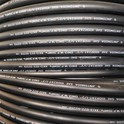
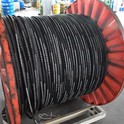
Hey there! I'm a supplier of Rubber Hose EN857, and today I wanna chat about the environmental impacts of using this kind of hose.
First off, let's understand what Rubber Hose EN857 is. It's a type of hydraulic hose that meets the EN857 standard. This standard is crucial as it defines the specifications and performance requirements for these hoses, ensuring they can handle the high - pressure hydraulic systems they're often used in.
Production - Related Environmental Impacts
The production of Rubber Hose EN857 has a few environmental aspects to consider. One of the main raw materials for rubber hoses is, well, rubber. Natural rubber is sourced from rubber trees, and while rubber plantations can have some positive environmental impacts like providing habitat for certain species, large - scale plantations also come with their own set of problems.
Deforestation is a major concern. To make way for rubber plantations, large areas of natural forests are often cleared. These forests are home to countless species of plants and animals, and their destruction can lead to a significant loss of biodiversity. According to a study by the World Wildlife Fund, the expansion of rubber plantations in Southeast Asia has been a contributing factor to the decline of many endangered species.
On the other hand, synthetic rubber, which is also used in the production of Rubber Hose EN857, is derived from petrochemicals. The extraction and processing of petrochemicals are energy - intensive processes. They rely heavily on fossil fuels, which release large amounts of greenhouse gases into the atmosphere. These gases contribute to global warming and climate change. The energy used in the refining process to turn crude oil into the chemicals needed for synthetic rubber production comes from burning fossil fuels, further exacerbating the environmental problem.
In addition to the raw materials, the manufacturing process of Rubber Hose EN857 involves various chemical treatments. These chemicals can be harmful to the environment if not properly managed. For example, some of the additives used to improve the properties of the rubber, such as vulcanizing agents, can be toxic. If these chemicals are released into the environment during the manufacturing process, they can contaminate soil, water, and air.
Usage - Related Environmental Impacts
When it comes to the usage of Rubber Hose EN857, one of the main environmental concerns is leakage. Hydraulic systems that use these hoses operate under high pressure. Over time, due to wear and tear, the hoses can develop leaks. The hydraulic fluid that leaks out can be a major environmental pollutant.
Hydraulic fluids are often made from mineral oils or synthetic fluids. Mineral oil - based hydraulic fluids are derived from petroleum, and when they leak into the environment, they can contaminate soil and water sources. They can harm aquatic life by coating the gills of fish and other aquatic organisms, preventing them from breathing properly. In soil, they can disrupt the natural balance of microorganisms, affecting plant growth.
Synthetic hydraulic fluids, while sometimes designed to be more environmentally friendly, can still have negative impacts if they leak. Some synthetic fluids contain chemicals that can be toxic to plants and animals. Moreover, the process of cleaning up a hydraulic fluid leak can be costly and time - consuming, and in some cases, not all of the leaked fluid can be recovered, leaving long - term environmental damage.
Another aspect of the usage phase is the energy consumption of the hydraulic systems that use Rubber Hose EN857. These systems often require a significant amount of energy to operate. The energy is typically sourced from non - renewable sources like coal, natural gas, or oil. As we know, the burning of these fossil fuels releases greenhouse gases, contributing to climate change.


End - of - Life Environmental Impacts
Once a Rubber Hose EN857 reaches the end of its useful life, how it's disposed of is crucial for the environment. If these hoses are simply thrown into landfills, they can take a long time to decompose. Rubber, whether natural or synthetic, is not easily biodegradable. In a landfill, it can take decades or even centuries for a rubber hose to break down.
During the decomposition process in a landfill, rubber can release harmful chemicals into the surrounding soil and groundwater. These chemicals can contaminate water sources, making them unfit for human consumption and harming the local ecosystem.
Recycling Rubber Hose EN857 is an option, but it's not without its challenges. Recycling rubber requires specialized equipment and processes. The different layers and components of the hose, such as the rubber, reinforcement layers, and additives, need to be separated and processed. This process can be energy - intensive, and in some cases, the cost of recycling may be higher than the cost of producing new hoses.
Mitigating the Environmental Impacts
As a Rubber Hose EN857 supplier, I'm aware of these environmental issues, and I'm committed to finding solutions. One way to reduce the environmental impact of production is to source more sustainable raw materials. For example, there are initiatives to develop more eco - friendly synthetic rubbers that are derived from renewable resources. These new types of rubber can reduce the reliance on petrochemicals and lower the carbon footprint of the production process.
In terms of usage, regular maintenance of hydraulic systems can help prevent leaks. By inspecting the hoses regularly, replacing them when they show signs of wear, and using high - quality sealing materials, we can minimize the amount of hydraulic fluid that leaks into the environment. Additionally, promoting the use of more energy - efficient hydraulic systems can reduce the overall energy consumption during the usage phase.
For end - of - life management, we can work with recycling facilities to improve the recycling process. By investing in research and development, we can find more cost - effective and energy - efficient ways to recycle Rubber Hose EN857. This not only reduces the amount of waste going to landfills but also conserves natural resources.
Related Products and Further Reading
If you're interested in other types of rubber hoses, you can check out Rubber Industry Hose, Rubber Hose EN853, and Rubber Hose 1SN. These links will take you to more information about these related products.
Let's Talk Business
If you're in the market for Rubber Hose EN857, I'd love to have a chat with you. We understand the environmental concerns associated with these hoses, and we're committed to providing high - quality products that are as environmentally friendly as possible. Whether you have questions about our products or want to discuss potential solutions to reduce the environmental impact of using our hoses, don't hesitate to reach out. We can work together to find the best options for your business while also being kind to the planet.
References
- World Wildlife Fund. (Year). "The Impact of Rubber Plantations on Biodiversity in Southeast Asia."
- Various studies on the energy consumption of petrochemical extraction and rubber manufacturing processes from academic journals in the field of environmental science.
So, that's my take on the environmental impacts of using Rubber Hose EN857. I hope this information is useful to you, and I look forward to hearing from you if you have any questions or are interested in purchasing our products.