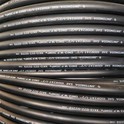
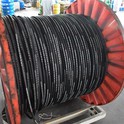
Hey there! I'm a supplier of RUBBER Hose SAE R12, and I often get asked about the flow rates for different sizes of these hoses. So, I thought I'd write this blog to share some insights on that.
First off, let's understand what RUBBER Hose SAE R12 is all about. It's a type of hydraulic rubber hose that meets the SAE J517 standard. These hoses are known for their high - pressure resistance and durability, making them suitable for a wide range of hydraulic applications.
Now, when it comes to flow rates, they depend on several factors, but the size of the hose is a major one. The size of a RUBBER Hose SAE R12 is usually specified by its inner diameter (ID). Common inner diameters for these hoses range from 1/4 inch to 2 inches or even larger in some cases.
Flow Rates for Small - Sized RUBBER Hose SAE R12 (1/4 inch - 3/8 inch)
For hoses with an inner diameter of 1/4 inch, the flow rate is relatively low. In general, at a typical operating pressure of around 3000 - 5000 psi, the flow rate can be in the range of 5 - 10 gallons per minute (GPM). This is because the smaller inner diameter restricts the amount of fluid that can pass through the hose at a given time.
When we move up to a 3/8 - inch inner diameter hose, the flow rate increases. At the same pressure range, the flow rate can go up to 15 - 25 GPM. The larger cross - sectional area allows more fluid to flow through, but it's still limited compared to bigger hoses. These small - sized hoses are often used in applications where the hydraulic system doesn't require a large volume of fluid flow, like in some small - scale machinery or precision hydraulic tools.
Medium - Sized RUBBER Hose SAE R12 (1/2 inch - 1 inch)
A 1/2 - inch inner diameter RUBBER Hose SAE R12 can handle a significantly higher flow rate. At the same operating pressure of 3000 - 5000 psi, the flow rate can be around 30 - 50 GPM. This makes it suitable for a wider range of applications, such as medium - sized hydraulic presses or some agricultural equipment.
As we get to a 1 - inch inner diameter hose, the flow rate jumps up even more. At the same pressure, it can reach 80 - 120 GPM. These hoses are commonly used in larger hydraulic systems, like those found in construction equipment or industrial manufacturing processes where a large volume of fluid needs to be transferred quickly.
Large - Sized RUBBER Hose SAE R12 (1.25 inches - 2 inches)
For hoses with an inner diameter of 1.25 inches, the flow rate can be in the range of 150 - 200 GPM at 3000 - 5000 psi. And when we talk about 2 - inch inner diameter hoses, the flow rate can exceed 250 GPM. These large - sized hoses are used in heavy - duty applications, such as large - scale mining equipment or high - capacity hydraulic power units.
It's important to note that these flow rates are approximate values. Other factors can also affect the actual flow rate, such as the viscosity of the hydraulic fluid, the length of the hose, and the type of fittings used. For example, if the hydraulic fluid is more viscous, it will flow more slowly through the hose, reducing the flow rate. A longer hose also creates more resistance to fluid flow, which can lower the flow rate.
If you're looking for other types of hydraulic rubber hoses, you might be interested in RUBBER Hose SAE R9, RUBBER Hose SAE R15, or RUBBER Hose SAE R13. Each of these hoses has its own characteristics and flow rate specifications, depending on their design and intended use.
Choosing the Right Size for Your Application
When selecting a RUBBER Hose SAE R12 for your hydraulic system, it's crucial to choose the right size based on the required flow rate. If you choose a hose that's too small, it can cause excessive pressure drop, which can lead to reduced efficiency and potential damage to the hydraulic components. On the other hand, if you choose a hose that's too large, it can be more expensive and may not fit properly in your system.
Before making a decision, you should calculate the required flow rate for your specific application. Consider the operating pressure, the volume of fluid needed to operate the hydraulic cylinders or motors, and the overall layout of your hydraulic system. You can also consult with a hydraulic engineer or an expert in the field to get more accurate advice.


Why Choose Our RUBBER Hose SAE R12
As a supplier of RUBBER Hose SAE R12, we take pride in offering high - quality hoses. Our hoses are manufactured using the latest technology and high - grade materials, ensuring excellent performance and long - term durability. We have a wide range of sizes available, so you can find the perfect hose for your application.
If you're in the market for RUBBER Hose SAE R12 or have any questions about flow rates or other aspects of these hoses, don't hesitate to reach out. We're here to help you make the right choice for your hydraulic system. Whether you're a small business owner or part of a large industrial operation, we can provide the hoses you need at a competitive price.
So, if you're interested in purchasing RUBBER Hose SAE R12 or want to discuss your requirements further, just get in touch. We'll be happy to assist you in finding the best solution for your hydraulic needs.
References
- "Hydraulic Hose Handbook" - A comprehensive guide on hydraulic hoses and their performance.
- SAE J517 Standard - The official standard for hydraulic rubber hoses, which provides detailed specifications and guidelines.