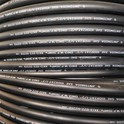
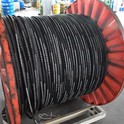
When it comes to industrial applications, RUBBER Hose SAE R17 stands out as a reliable component in various hydraulic systems. As a supplier of RUBBER Hose SAE R17, I understand the importance of safety precautions during its use. This blog aims to provide comprehensive insights into the safety measures that should be taken when utilizing this type of rubber hose.
Understanding RUBBER Hose SAE R17
Before delving into safety precautions, it's essential to have a basic understanding of RUBBER Hose SAE R17. This hose is designed for specific hydraulic applications, characterized by its ability to withstand high - pressure environments. It is often used in heavy - duty machinery, construction equipment, and other industrial settings where hydraulic power is crucial. The SAE R17 standard ensures that the hose meets certain quality and performance criteria, including resistance to abrasion, ozone, and oil.
Pre - installation Safety Precautions
Inspection of the Hose
Before installation, a thorough inspection of the RUBBER Hose SAE R17 is necessary. Check for any visible signs of damage, such as cuts, abrasions, or bulges on the outer cover. A damaged hose can lead to leaks or even catastrophic failure under pressure. Inspect the inner tube as well; any signs of cracking or deterioration may indicate that the hose is not suitable for use.
Compatibility Check
Ensure that the RUBBER Hose SAE R17 is compatible with the fluid it will carry. Different hydraulic fluids have different chemical properties, and using an incompatible hose can result in degradation of the hose material, leading to leaks or bursts. Check the manufacturer's specifications to confirm the compatibility of the hose with the specific hydraulic fluid in your system.


Correct Fitting Selection
Select the appropriate fittings for the RUBBER Hose SAE R17. The fittings should match the size and type of the hose end. Incorrect fittings can cause improper sealing, leading to fluid leaks. Make sure that the fittings are properly crimped or connected to the hose according to the manufacturer's instructions.
Installation Safety Precautions
Proper Routing
During installation, route the RUBBER Hose SAE R17 in a way that avoids sharp bends, kinks, and excessive tension. Sharp bends can reduce the internal diameter of the hose, increasing the pressure and potentially causing damage. Kinks can completely block the flow of fluid and lead to system failure. Ensure that the hose has enough slack to accommodate movement during normal operation.
Avoidance of Contact with Sharp Objects
Keep the RUBBER Hose SAE R17 away from sharp edges, rough surfaces, and moving parts. Contact with sharp objects can cut or abrade the outer cover of the hose, compromising its integrity. If the hose must pass near sharp edges, use protective sleeves or guards to prevent damage.
Secure Mounting
Properly mount the RUBBER Hose SAE R17 to prevent excessive movement. Use hose clamps or brackets at appropriate intervals to secure the hose. Loose hoses can rub against other components, causing wear and tear over time. Ensure that the mounting points are strong enough to withstand the forces exerted on the hose during operation.
Operational Safety Precautions
Pressure Monitoring
Regularly monitor the pressure in the hydraulic system using appropriate pressure gauges. The RUBBER Hose SAE R17 is designed to operate within a specific pressure range. Exceeding this range can cause the hose to burst, leading to serious safety hazards. If the pressure exceeds the recommended level, immediately shut down the system and investigate the cause.
Temperature Control
Be aware of the temperature conditions in which the RUBBER Hose SAE R17 is operating. Extreme temperatures can affect the performance and lifespan of the hose. High temperatures can cause the rubber to degrade, while low temperatures can make the hose brittle. Ensure that the system has proper temperature control mechanisms, such as coolers or heaters, if necessary.
Regular Inspections
Conduct regular inspections of the RUBBER Hose SAE R17 during operation. Look for signs of leaks, such as oil spots around the fittings or along the hose. Check for any changes in the appearance of the hose, such as swelling or discoloration. Early detection of problems can prevent more serious issues from occurring.
Maintenance and Replacement Safety Precautions
Cleaning
Keep the RUBBER Hose SAE R17 clean to prevent the accumulation of dirt, debris, and contaminants. Use a mild detergent and water to clean the hose, and avoid using harsh chemicals that can damage the rubber. Regular cleaning can extend the lifespan of the hose and maintain its performance.
Lubrication
If required, lubricate the fittings of the RUBBER Hose SAE R17 with a suitable lubricant. Lubrication can prevent corrosion and make it easier to connect and disconnect the fittings. However, make sure to use a lubricant that is compatible with the hose material and the hydraulic fluid.
Replacement Schedule
Establish a regular replacement schedule for the RUBBER Hose SAE R17 based on the manufacturer's recommendations and the operating conditions. Over time, the hose will naturally degrade due to factors such as pressure, temperature, and chemical exposure. Replacing the hose at the appropriate intervals can prevent unexpected failures.
Comparison with Other Hose Types
It's also beneficial to understand how RUBBER Hose SAE R17 compares with other similar hose types. For example, RUBBER Hose SAE R2AT is another type of hydraulic rubber hose. While both are used in hydraulic systems, R2AT may have different pressure ratings, flexibility, and application scenarios. Similarly, RUBBER Hose SAE R12 and RUBBER Hose SAE R1AT have their own unique characteristics. Understanding these differences can help in choosing the most suitable hose for a specific application and also in implementing the appropriate safety precautions.
Conclusion
Safety is of utmost importance when using RUBBER Hose SAE R17. By following the pre - installation, installation, operational, and maintenance safety precautions outlined above, you can ensure the safe and efficient operation of your hydraulic system. As a supplier of RUBBER Hose SAE R17, I am committed to providing high - quality products and sharing valuable knowledge to help our customers make the most of our hoses. If you are in the market for RUBBER Hose SAE R17 or have any questions regarding its use, I encourage you to contact us for further information and to discuss your procurement needs.
References
- Hydraulic Hose Handbook, Industry Standard Publications
- Manufacturer's Guidelines for RUBBER Hose SAE R17
- Safety Regulations for Hydraulic Systems in Industrial Applications