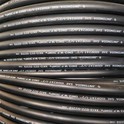
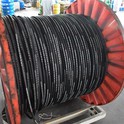
The burst pressure of a rubber hose is a critical parameter that determines its safety and performance in various applications. As a supplier of Rubber Hose 2SC, I understand the importance of providing accurate information about burst pressure to our customers. In this blog post, I will delve into what burst pressure is, how it relates to Rubber Hose 2SC, and why it matters in your operations.
Understanding Burst Pressure
Burst pressure refers to the maximum pressure a hose can withstand before it ruptures or bursts. It is a measure of the hose's ultimate strength and is typically expressed in pounds per square inch (psi) or megapascals (MPa). This value is determined through rigorous testing procedures in accordance with industry standards.
When a hose is subjected to pressure, it experiences stress on its internal and external surfaces. The burst pressure indicates the point at which the material of the hose can no longer contain the pressure, leading to a catastrophic failure. It is important to note that burst pressure is different from working pressure, which is the maximum pressure at which a hose is designed to operate continuously under normal conditions. Working pressure is usually a fraction of the burst pressure to ensure a safety margin.
Burst Pressure of Rubber Hose 2SC
Rubber Hose 2SC is a type of hydraulic hose commonly used in high-pressure applications. It is designed to handle a wide range of fluids, including hydraulic oil, water, and various chemicals. The burst pressure of Rubber Hose 2SC depends on several factors, such as the hose's construction, size, and the materials used.
Typically, Rubber Hose 2SC has a high burst pressure rating, making it suitable for demanding hydraulic systems. The burst pressure can range from several thousand psi to tens of thousands of psi, depending on the specific specifications of the hose. For example, a smaller diameter Rubber Hose 2SC may have a burst pressure of around 5,000 psi, while a larger diameter hose could have a burst pressure of 10,000 psi or more.
The construction of Rubber Hose 2SC plays a crucial role in determining its burst pressure. It usually consists of an inner tube, reinforcement layers, and an outer cover. The inner tube is made of a synthetic rubber material that is resistant to the fluid being conveyed. The reinforcement layers, which are typically made of high-strength steel wire or synthetic fibers, provide the hose with its strength and pressure resistance. The outer cover protects the hose from external damage, such as abrasion, weathering, and chemical exposure.
Importance of Burst Pressure in Applications
Understanding the burst pressure of Rubber Hose 2SC is essential for ensuring the safety and reliability of your hydraulic systems. Using a hose with a burst pressure that is too low for the application can lead to hose failure, which can result in fluid leaks, equipment damage, and even personal injury. On the other hand, using a hose with a much higher burst pressure than necessary can be costly and may not provide any additional benefits.
In high-pressure hydraulic applications, such as construction equipment, industrial machinery, and automotive systems, the burst pressure of the hose must be carefully considered. For example, in a hydraulic excavator, the hoses that carry the high-pressure hydraulic fluid to the cylinders must be able to withstand the maximum pressure generated by the hydraulic pump. If a hose fails due to insufficient burst pressure, it can cause the excavator to lose control, leading to dangerous situations.
In addition to safety, the burst pressure of Rubber Hose 2SC also affects the performance and efficiency of your hydraulic systems. A hose with a higher burst pressure can handle higher pressures without deforming or leaking, which can improve the overall performance of the system. It can also reduce the risk of pressure drops and ensure a more consistent flow of fluid.
Factors Affecting Burst Pressure
Several factors can affect the burst pressure of Rubber Hose 2SC. These include:
- Hose Size: Generally, larger diameter hoses have higher burst pressures than smaller diameter hoses. This is because the larger cross-sectional area of the hose can withstand more pressure without rupturing.
- Reinforcement Material: The type and quality of the reinforcement material used in the hose can significantly impact its burst pressure. High-strength steel wire or synthetic fibers provide better pressure resistance than lower-quality materials.
- Temperature: Extreme temperatures can affect the mechanical properties of the hose material, which can in turn affect its burst pressure. For example, high temperatures can cause the rubber to soften, reducing its strength and burst pressure.
- Fluid Compatibility: The type of fluid being conveyed through the hose can also affect its burst pressure. Some fluids may be corrosive or reactive with the hose material, which can weaken the hose over time and reduce its burst pressure.
Testing and Certification
To ensure the safety and performance of Rubber Hose 2SC, it is important to use hoses that have been tested and certified to meet industry standards. These standards specify the minimum burst pressure requirements for different types of hoses and ensure that they are manufactured to a high quality.
Common industry standards for hydraulic hoses include ISO 18752, SAE J517, and Rubber Hose EN853. These standards define the testing methods and requirements for burst pressure, as well as other important properties such as working pressure, temperature range, and fluid compatibility.
When purchasing Rubber Hose 2SC, it is recommended to look for hoses that are marked with the appropriate standards and certifications. This ensures that the hoses have been tested and meet the required safety and performance criteria.
Comparing with Other Rubber Hoses
Rubber Hose 2SC is just one type of hydraulic hose available in the market. Other common types of rubber hoses include Rubber Hose 4SP and Rubber Hose EN856. While these hoses may have similar applications, they have different burst pressure ratings and construction characteristics.
Rubber Hose 4SP is designed for extremely high-pressure applications and typically has a higher burst pressure than Rubber Hose 2SC. It is often used in applications where very high pressures are required, such as in offshore oil and gas operations.
Rubber Hose EN856 is a multi-purpose hydraulic hose that is suitable for a wide range of applications. It has a moderate burst pressure rating and is known for its flexibility and durability.


When choosing a rubber hose for your application, it is important to consider the specific requirements of your system, including the pressure, temperature, fluid compatibility, and flexibility. By comparing the burst pressure and other properties of different hoses, you can select the one that best meets your needs.
Conclusion
The burst pressure of Rubber Hose 2SC is a critical factor that determines its safety and performance in high-pressure hydraulic applications. As a supplier of Rubber Hose 2SC, we are committed to providing our customers with high-quality hoses that meet or exceed industry standards. Our hoses are carefully tested to ensure that they have the appropriate burst pressure ratings and are suitable for your specific applications.
If you are in need of Rubber Hose 2SC or have any questions about burst pressure or other hose-related topics, please do not hesitate to contact us. Our team of experts is available to assist you in selecting the right hose for your needs and providing you with the information and support you require. We look forward to working with you to ensure the success of your hydraulic systems.
References
- ISO 18752: Hydraulic fluid power - Rubber hoses, tubing and assemblies - Requirements for design verification, performance and quality.
- SAE J517: Hydraulic Hose Assemblies.
- EN 853: Rubber and/or plastics hoses and hose assemblies for hydraulic applications - Specification for four - wire - braided type.
- EN 856: Rubber and/or plastics hoses and hose assemblies for hydraulic applications - Specification for spiral - wire - reinforced types.