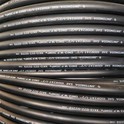
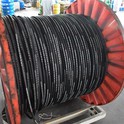
As a supplier of RUBBER Hose SAE R17, I've had numerous conversations with customers seeking to understand the differences between this particular hose and other SAE hoses. In this blog, I'll delve into the unique features of RUBBER Hose SAE R17 and contrast them with some well - known counterparts like RUBBER Hose SAE R12, RUBBER Hose SAE R15, and RUBBER Hose SAE R1AT.
Construction and Design
One of the primary factors that distinguish different SAE hoses is their construction. The RUBBER Hose SAE R17 is a four - spiral wire hydraulic hose. This multi - spiral design provides it with high - pressure resistance capabilities. The four layers of spiral wires are carefully arranged to distribute stress evenly across the hose body. This construction allows the R17 hose to handle extremely high working pressures, making it suitable for heavy - duty hydraulic applications such as in large construction machinery and industrial presses.
On the other hand, the RUBBER Hose SAE R12 is a two - wire braid hydraulic hose. The two - wire braid construction offers a good balance between flexibility and pressure resistance. It is generally used in medium - pressure hydraulic systems, like those found in agricultural equipment and small - to - medium - sized industrial machinery. The braided wires are more flexible compared to spiral wires, which gives the R12 hose a relatively smaller bend radius, allowing for easier installation in tight spaces.
The RUBBER Hose SAE R15 is a four - wire braid hydraulic hose. Similar to the R17, it is designed for high - pressure applications. However, the braided wire construction in the R15 provides more flexibility than the spiral wire design of the R17. This makes the R15 a good choice for applications where high pressure is required, but there is also a need for some degree of flexibility, such as in mobile hydraulic equipment.
The RUBBER Hose SAE R1AT is a single - wire braid hydraulic hose. It is mainly used for low - to - medium - pressure applications. The single - wire braid construction makes it the most flexible among the hoses mentioned here. It is commonly used in automotive hydraulic systems, like power steering and brake systems, where low pressure and high flexibility are the key requirements.
Pressure Ratings
Pressure rating is a crucial parameter when selecting a hydraulic hose. The RUBBER Hose SAE R17 has a very high pressure rating. It can typically handle working pressures up to 5000 - 6000 psi (pounds per square inch), depending on the hose size. This high pressure - handling capacity is due to its four - spiral wire construction, which effectively contains the hydraulic fluid under extreme pressure.
The RUBBER Hose SAE R12 has a medium pressure rating. It can usually handle working pressures in the range of 2000 - 3000 psi. This makes it suitable for applications where the hydraulic system does not require extremely high pressures but still needs a reliable hose for medium - level operations.
The RUBBER Hose SAE R15 has a high pressure rating similar to the R17, with working pressures that can reach up to 4000 - 5000 psi. Although it can handle high pressures, its braided wire construction gives it different performance characteristics compared to the R17.
The RUBBER Hose SAE R1AT has a relatively low pressure rating, typically in the range of 1000 - 2000 psi. This low pressure rating is in line with its intended use in low - to - medium - pressure applications.
Temperature Resistance
Temperature resistance is another important aspect to consider, especially in applications where the hydraulic system may operate in extreme temperature environments. The RUBBER Hose SAE R17 is designed to have a wide temperature range. It can typically withstand temperatures from - 40°F to 212°F (- 40°C to 100°C). This wide temperature range makes it suitable for use in various climates and industrial settings, including cold - weather construction sites and hot - temperature industrial processes.
The RUBBER Hose SAE R12 also has a decent temperature range, usually from - 40°F to 185°F (- 40°C to 85°C). While it can handle cold temperatures well, its upper - end temperature limit is lower than that of the R17. This may restrict its use in some high - temperature industrial applications.
The RUBBER Hose SAE R15 has a temperature range similar to the R17, from - 40°F to 212°F (- 40°C to 100°C). This allows it to be used in a wide variety of temperature - sensitive applications.
The RUBBER Hose SAE R1AT has a temperature range of - 40°F to 176°F (- 40°C to 80°C). Its relatively lower upper - end temperature limit makes it more suitable for applications where the operating temperature is not extremely high.
Chemical Compatibility
Different hydraulic hoses have different levels of chemical compatibility with the hydraulic fluids they carry. The RUBBER Hose SAE R17 is generally compatible with a wide range of hydraulic fluids, including mineral - based oils, synthetic oils, and some water - glycol fluids. This wide chemical compatibility makes it a versatile choice for various hydraulic systems.
The RUBBER Hose SAE R12 is also compatible with most common hydraulic fluids, but it may have some limitations when it comes to certain synthetic or specialty fluids. Care should be taken to ensure that the fluid used in the system is compatible with the R12 hose to avoid premature hose failure.
The RUBBER Hose SAE R15 has a similar chemical compatibility profile to the R17. It can handle a wide range of hydraulic fluids, which makes it a reliable choice for many industrial applications.


The RUBBER Hose SAE R1AT is mainly designed for use with standard mineral - based hydraulic oils. It may not be suitable for use with some aggressive synthetic fluids or water - glycol mixtures.
Flexibility and Bend Radius
Flexibility and bend radius are important considerations, especially in applications where the hose needs to be routed around obstacles or in tight spaces. The RUBBER Hose SAE R17, due to its four - spiral wire construction, has a relatively larger bend radius compared to the braided hoses. While it is not as flexible as the braided hoses, its high - pressure resistance makes it a necessary choice for heavy - duty applications.
The RUBBER Hose SAE R12 has a smaller bend radius, thanks to its two - wire braid construction. This makes it very flexible and easy to install in tight spaces, which is an advantage in applications where space is limited.
The RUBBER Hose SAE R15 offers a good balance between flexibility and pressure resistance. It has a smaller bend radius than the R17, making it more flexible and easier to route in complex hydraulic systems.
The RUBBER Hose SAE R1AT is the most flexible among the hoses mentioned here. Its single - wire braid construction allows it to have a very small bend radius, which is ideal for applications where extreme flexibility is required.
Conclusion
In summary, the RUBBER Hose SAE R17 stands out for its high - pressure resistance, wide temperature range, and good chemical compatibility. It is the go - to choice for heavy - duty hydraulic applications where extreme pressure handling is required. The RUBBER Hose SAE R12 is a great option for medium - pressure applications that require flexibility. The RUBBER Hose SAE R15 combines high - pressure resistance with flexibility, making it suitable for a variety of high - pressure applications. The RUBBER Hose SAE R1AT is best suited for low - to - medium - pressure applications that demand high flexibility.
If you are in the market for a reliable RUBBER Hose SAE R17 or need advice on choosing the right SAE hose for your specific application, feel free to reach out to us. We are committed to providing high - quality hoses and professional guidance to meet your hydraulic system needs.
References
- SAE International Standards Handbook for Hydraulic Rubber Hoses
- Hydraulic Hose Manufacturer's Technical Documentation
- Industry Reports on Hydraulic Hose Applications