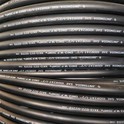
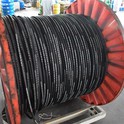
As a supplier of Rubber Hose 4SH, I often get asked about its electrical conductivity. In this blog post, I'll delve into the topic, exploring what electrical conductivity means in the context of hoses, the factors that influence the conductivity of Rubber Hose 4SH, and why it matters in various applications.
Understanding Electrical Conductivity
Electrical conductivity is a measure of a material's ability to conduct an electric current. It is the reciprocal of electrical resistivity. Materials with high electrical conductivity allow electrons to flow through them easily, while those with low conductivity impede the flow of electrons. Conductivity is typically measured in siemens per meter (S/m).
In the world of hoses, electrical conductivity can have significant implications, especially in applications where there is a risk of static electricity buildup. Static electricity can lead to sparks, which may cause fires or explosions in environments where flammable gases, vapors, or dust are present. Therefore, understanding the electrical conductivity of Rubber Hose 4SH is crucial for ensuring safety in these applications.
Electrical Conductivity of Rubber Hose 4SH
Rubber, in general, is a poor conductor of electricity because it is an insulator. Insulators have a very high electrical resistivity, which means they do not allow electrons to move freely through them. However, the electrical conductivity of Rubber Hose 4SH can be modified through various means.
One way to enhance the conductivity of a rubber hose is by adding conductive fillers to the rubber compound during the manufacturing process. These fillers, such as carbon black or metal particles, create conductive pathways within the rubber, allowing electrons to flow more easily. The amount and type of filler used can significantly affect the electrical conductivity of the hose.
The electrical conductivity of Rubber Hose 4SH can also be influenced by its construction. For example, some hoses may have a conductive inner liner or a conductive outer layer. These layers can help to dissipate static electricity and prevent its buildup. Additionally, the thickness and quality of the rubber material can impact conductivity. Thicker rubber may provide more resistance to the flow of electricity, while higher - quality rubber with better dispersion of conductive fillers may have improved conductivity.
Applications and the Importance of Conductivity
Rubber Hose 4SH is commonly used in hydraulic systems, which are found in a wide range of industries, including construction, agriculture, and manufacturing. In many of these applications, the risk of static electricity buildup is relatively low, and the insulating properties of the rubber hose are sufficient. However, there are certain environments where conductivity becomes a critical factor.
In the oil and gas industry, for instance, Rubber Hose 4SH may be used to transfer flammable liquids or gases. In these situations, static electricity can pose a serious safety hazard. A spark caused by static discharge could ignite the flammable substances, leading to a fire or explosion. Therefore, hoses used in these applications are often required to have a certain level of electrical conductivity to ensure that static electricity is safely dissipated.
Another application where conductivity matters is in the chemical industry. When transferring chemicals, especially those that are flammable or reactive, static electricity can cause chemical reactions or ignition. Conductive Rubber Hose 4SH can help to prevent these issues by providing a safe path for the static charge to escape.
Comparing with Other Rubber Hoses
It's interesting to compare the electrical conductivity of Rubber Hose 4SH with other types of rubber hoses, such as Rubber Hose 1SC and Rubber Hose 4SP.
Rubber Hose 1SC is typically used for low - pressure applications. Similar to Rubber Hose 4SH, its base rubber material is an insulator. However, if it is intended for use in static - sensitive environments, it can also be made conductive through the addition of fillers. The electrical conductivity requirements for Rubber Hose 1SC may be different from those of Rubber Hose 4SH, depending on the specific application.
Rubber Hose 4SP, on the other hand, is designed for high - pressure hydraulic applications. Just like Rubber Hose 4SH, its conductivity can be adjusted according to the needs of the user. In some cases, the construction and design of Rubber Hose 4SP may allow for better conductivity, especially if it has a more optimized conductive layer or a higher concentration of conductive fillers.
Measuring the Electrical Conductivity of Rubber Hose 4SH
To determine the electrical conductivity of Rubber Hose 4SH, specialized testing equipment is used. One common method is to measure the surface resistance of the hose. Surface resistance is the resistance to the flow of electric current along the surface of the material. A lower surface resistance indicates higher conductivity.
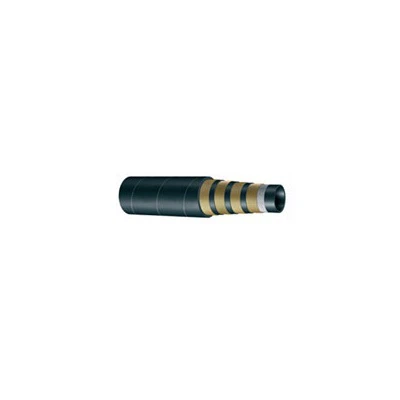

Another method is to measure the volume resistance, which measures the resistance to the flow of current through the entire volume of the rubber material. These measurements are typically taken at specific points along the hose and under controlled conditions to ensure accuracy.
Ensuring Safety and Quality
As a supplier of Rubber Hose 4SH, we are committed to ensuring the safety and quality of our products. We work closely with our manufacturing partners to ensure that the conductive additives are properly mixed into the rubber compound and that the hoses meet the required conductivity standards.
We also conduct rigorous testing on our hoses to verify their electrical conductivity and other performance characteristics. This includes both in - house testing and third - party certification to ensure that our customers can have confidence in the products they purchase.
Conclusion
In conclusion, the electrical conductivity of Rubber Hose 4SH is an important consideration, especially in applications where static electricity can pose a safety risk. While rubber is generally an insulator, the conductivity of Rubber Hose 4SH can be enhanced through the addition of conductive fillers and appropriate construction techniques.
Whether you are in the oil and gas industry, the chemical industry, or any other sector that requires hoses with specific conductivity properties, it's essential to choose a reliable supplier. We are dedicated to providing high - quality Rubber Hose 4SH that meets your electrical conductivity requirements and other performance needs.
If you are interested in purchasing Rubber Hose 4SH or have any questions about its electrical conductivity or other features, please feel free to contact us for more information and to start a procurement discussion.
References
- ASTM International standards related to electrical conductivity of rubber materials.
- Industry guidelines for static electricity control in hydraulic and fluid transfer applications.