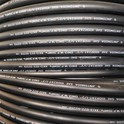
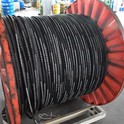
In the realm of fluid transfer systems, the low side hose is an unsung hero that plays a pivotal role in ensuring system reliability. As a trusted low side hose supplier, I've witnessed firsthand how these components can make or break the performance of various systems. In this blog, we'll delve into the profound impact of low side hoses on system reliability, exploring their functions, potential challenges, and the benefits they bring to the table.
Understanding the Role of Low Side Hoses
Low side hoses are an integral part of many fluid transfer systems, including refrigeration, air conditioning, and hydraulic systems. Their primary function is to transport low - pressure fluids or gases from one part of the system to another. For instance, in a refrigeration system, the low side hose carries the refrigerant from the evaporator to the compressor. This process is crucial for maintaining the proper flow of the refrigerant and ensuring the efficient operation of the entire system.
The construction of low side hoses is designed to withstand the specific conditions of the low - pressure environment. They are typically made from materials such as rubber, thermoplastics, or a combination of both. These materials offer flexibility, durability, and resistance to the fluids and gases they carry. For example, Miflex Low Pressure Hose is a popular choice due to its excellent chemical resistance and flexibility, making it suitable for a wide range of applications.
Impact on System Efficiency
One of the most significant impacts of low side hoses on system reliability is their effect on system efficiency. A well - designed and properly installed low side hose can minimize pressure drops and ensure a smooth flow of fluids or gases. When the fluid flow is unrestricted, the system doesn't have to work as hard to maintain the desired pressure and flow rate. This, in turn, reduces energy consumption and extends the lifespan of other system components.
On the other hand, a faulty or poorly selected low side hose can cause significant inefficiencies. For example, if the hose has a kink or a blockage, it can impede the flow of the fluid, leading to increased pressure drops. This forces the system to work harder, consuming more energy and potentially causing premature wear and tear on the compressor and other components. Additionally, leaks in the low side hose can result in the loss of the fluid or gas, further reducing system efficiency and potentially leading to environmental concerns.
Influence on System Safety
System safety is another critical aspect affected by low side hoses. In many applications, the fluids or gases carried by the low side hoses can be hazardous if they leak or are released into the environment. For example, in refrigeration systems, refrigerants can be harmful to the ozone layer and contribute to global warming. A reliable low side hose with proper sealing and construction can prevent these leaks and ensure the safety of the system and its surroundings.
Low side hoses are also designed to withstand the operating pressures and temperatures of the system. If a hose fails due to over - pressure or high - temperature conditions, it can lead to a sudden release of the fluid or gas, which can pose a significant safety risk to operators and nearby equipment. Therefore, choosing a high - quality low side hose that meets the specific safety requirements of the application is essential. For instance, Rubber Vacuum Hose is often used in applications where vacuum conditions are present, and its ability to withstand these conditions safely is crucial for system reliability.


Compatibility with Other System Components
Low side hoses need to be compatible with other components in the system, such as fittings and connectors. Incompatible hoses and fittings can lead to leaks, poor performance, and even system failure. For example, if the hose material is not compatible with the fluid or gas it carries, it can degrade over time, leading to cracks and leaks. Similarly, if the hose and fitting sizes do not match correctly, it can result in a loose connection, which can also cause leaks.
Low Pressure Hose Fittings are designed to work seamlessly with low side hoses. They are available in a variety of materials and configurations to ensure compatibility with different hose types and system requirements. Using the right combination of hoses and fittings is essential for maintaining system reliability and preventing costly downtime.
Maintenance and Long - Term Reliability
Proper maintenance of low side hoses is crucial for their long - term reliability. Regular inspections can help detect early signs of wear, damage, or leaks. For example, checking for cracks, bulges, or signs of corrosion on the hose surface can indicate potential problems. Additionally, ensuring that the hose is properly secured and not subject to excessive vibration or movement can prevent premature failure.
Over time, low side hoses may need to be replaced due to normal wear and tear. As a low side hose supplier, we recommend following the manufacturer's guidelines for replacement intervals. By replacing the hoses at the appropriate time, you can prevent unexpected system failures and ensure the continued reliability of the system.
Challenges and Solutions
Despite their importance, low side hoses can face several challenges that can impact system reliability. One common challenge is the degradation of the hose material due to exposure to harsh chemicals, high temperatures, or UV radiation. To address this issue, manufacturers are constantly developing new materials and coatings that offer improved resistance to these factors. For example, some hoses are now coated with a protective layer to enhance their chemical and UV resistance.
Another challenge is the installation of the low side hoses. Improper installation can lead to leaks, kinks, and other problems. To overcome this, we provide detailed installation instructions and offer training and support to our customers. Our team of experts can also assist with on - site installation and troubleshooting to ensure that the hoses are installed correctly and functioning properly.
Conclusion
In conclusion, low side hoses have a profound impact on system reliability, efficiency, safety, and compatibility. As a low side hose supplier, we understand the critical role these components play in various applications. By choosing high - quality hoses, ensuring proper installation and maintenance, and addressing potential challenges, you can maximize the performance and lifespan of your systems.
If you're looking for reliable low side hoses for your application, we're here to help. Our extensive range of products, including Miflex Low Pressure Hose, Rubber Vacuum Hose, and Low Pressure Hose Fittings, is designed to meet the diverse needs of our customers. Contact us today to discuss your requirements and explore how our products can enhance the reliability of your systems.
References
- ASHRAE Handbook - Refrigeration. American Society of Heating, Refrigerating and Air - Conditioning Engineers.
- ISO 7241 - 1:2017. Hydraulic fluid power -- Quick - action couplings -- Part 1: Dimensions, requirements and test methods. International Organization for Standardization.
- Manufacturer's technical documentation for low side hoses and related components.