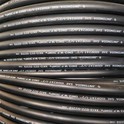
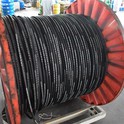
Hey there! As a supplier of Rubber Hose Pipes, I often get asked about the inner lining of these pipes. So, I thought I'd write this blog to share some insights on what the inner lining of a rubber hose pipe is made of.
First off, the inner lining of a rubber hose pipe plays a crucial role. It's in direct contact with the fluid or gas that the hose is carrying, so it needs to be made of materials that can withstand the properties of the medium.
One of the most common materials used for the inner lining is natural rubber. Natural rubber has excellent flexibility and resilience. It can handle a wide range of temperatures, from relatively cold to moderately warm conditions. It's also great at resisting abrasion to some extent. For example, in applications where the hose is used to carry water in a general industrial or household setting, natural rubber inner lining works just fine. It can keep the water flowing smoothly without getting damaged easily. However, it's not the best choice when it comes to handling chemicals. Many chemicals can degrade natural rubber over time, so it has its limitations.
Another popular material is synthetic rubber. There are different types of synthetic rubber, each with its own set of advantages.
Neoprene is a type of synthetic rubber that's widely used. It has good resistance to oils, chemicals, and weathering. If you're using a hose to transfer oil in a machinery or automotive application, a hose with a neoprene inner lining would be a great option. It can prevent the oil from seeping through the hose and also resist the corrosive effects of the oil. Neoprene also has good flame resistance, which makes it suitable for some applications where there's a risk of fire.
Nitrile rubber is another synthetic option that's well - known for its excellent oil resistance. It can handle a variety of oils, including hydraulic oils. In hydraulic systems, where high - pressure oil is transferred, a hose with a nitrile inner lining can ensure reliable performance. It can withstand the pressure and the chemical properties of the oil without breaking down.
Fluorocarbon rubber, also known as Viton, is a high - performance material. It has outstanding resistance to a wide range of chemicals, including solvents, acids, and fuels. If you're dealing with a very aggressive chemical environment, like in a chemical processing plant, a hose with a fluorocarbon inner lining is the way to go. However, it comes at a higher cost compared to other materials, but the durability and chemical resistance it offers are worth it in such demanding applications.
Silicone rubber is also used for the inner lining in some cases. It has excellent heat resistance and can maintain its flexibility even at high temperatures. This makes it suitable for applications where the hose needs to carry hot fluids or operate in high - temperature environments, such as in some industrial ovens or heating systems.


Now, let's talk about how the choice of inner lining material affects the overall performance of the rubber hose pipe. The right inner lining material can ensure a long service life for the hose. For example, if you choose a material that's not resistant to the chemical you're transferring, the inner lining will start to deteriorate quickly. This can lead to leaks, which not only waste the fluid or gas being transferred but can also pose a safety hazard.
The inner lining also affects the flow characteristics of the hose. A smooth inner lining made of a suitable material can reduce friction, allowing the fluid or gas to flow more easily. This is important in applications where efficient flow is required, like in a water supply system or a pneumatic system.
As a Rubber Hose Pipe supplier, I understand the importance of choosing the right inner lining material for different applications. We offer a wide range of hoses with different inner lining materials to meet the diverse needs of our customers. Whether you need a Flexible Hose Pipe for a simple water transfer or a 3 8 Rubber Hose for a high - pressure hydraulic system, we've got you covered. Our Rubber Hose Pipe products are designed and manufactured to the highest standards, ensuring reliable performance and long - term durability.
If you're in the market for rubber hose pipes and need help in choosing the right one with the appropriate inner lining material for your specific application, don't hesitate to reach out. We have a team of experts who can provide you with detailed advice and guidance. Whether it's for a small - scale project or a large - scale industrial application, we can work with you to find the best solution. So, if you're interested in purchasing our rubber hose pipes, feel free to contact us for a purchase and negotiation. We're looking forward to serving you!
References:
- "Handbook of Rubber Technology" by Maurice Morton
- "Synthetic Rubber: A Comprehensive Treatise" by George S. Whitby