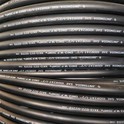
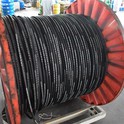
Hey there! As a supplier of Rubber Hose 1SC, I often get asked about its pressure rating. So, I thought I'd write this blog to break it down for you.
First off, let's understand what Rubber Hose 1SC is. It's a type of hydraulic rubber hose that's widely used in various industrial applications. It's designed to handle hydraulic fluids and transfer them from one point to another. You can find more details about it here.
Now, the pressure rating of Rubber Hose 1SC is a crucial factor. It determines how much pressure the hose can withstand without failing. This is super important because if the pressure exceeds the rating, the hose can burst, leading to leaks, equipment damage, and even safety hazards.
The pressure rating of Rubber Hose 1SC typically depends on several factors. One of the main factors is the construction of the hose. It usually consists of an inner tube, reinforcement layers, and an outer cover. The inner tube is made of a synthetic rubber that's resistant to the hydraulic fluid it's carrying. The reinforcement layers provide strength and support to the hose. They're usually made of high - strength materials like steel wire or textile. The outer cover protects the hose from environmental factors such as abrasion, weather, and chemicals.
Most Rubber Hose 1SC hoses have a working pressure rating that can range from around 1000 psi (pounds per square inch) to 5000 psi. However, this can vary depending on the size of the hose. Smaller diameter hoses generally have a higher pressure rating compared to larger diameter ones. For example, a 1/4 - inch diameter Rubber Hose 1SC might have a working pressure rating of around 3000 - 5000 psi, while a 1 - inch diameter hose could have a rating of around 1000 - 2000 psi.
It's also important to note the difference between working pressure and burst pressure. The working pressure is the maximum pressure that the hose is designed to operate at continuously. The burst pressure, on the other hand, is the pressure at which the hose will actually fail or burst. The burst pressure of Rubber Hose 1SC is typically several times higher than the working pressure. Usually, the burst pressure is around 3 to 4 times the working pressure. So, if a hose has a working pressure of 2000 psi, its burst pressure could be around 6000 - 8000 psi.


When choosing a Rubber Hose 1SC, you need to consider the specific requirements of your application. If you're working in an environment where high - pressure hydraulic systems are used, you'll need a hose with a higher pressure rating. But you also need to make sure that the hose is compatible with the hydraulic fluid you're using. Some fluids can react with the rubber material of the hose, causing it to degrade over time.
In comparison to other types of rubber hoses, like Rubber Hose 1SN and Rubber Hose EN856, Rubber Hose 1SC has its own unique features. Rubber Hose 1SN is also a single - wire braid hydraulic hose, but it might have different pressure ratings and construction details. Rubber Hose EN856 is a European standard hose, and it has its own set of specifications and pressure ratings.
To ensure the safety and performance of your Rubber Hose 1SC, regular maintenance is essential. You should inspect the hose regularly for any signs of wear, such as cracks, cuts, or bulges. If you notice any damage, it's important to replace the hose immediately. Also, make sure that the hose is installed correctly. Incorrect installation can put additional stress on the hose, reducing its lifespan and increasing the risk of failure.
Another thing to keep in mind is that the pressure rating of the hose can be affected by temperature. Higher temperatures can cause the rubber material to become softer and more flexible, which can reduce the hose's pressure - bearing capacity. So, if you're using the hose in a high - temperature environment, you might need to choose a hose with a higher pressure rating or take additional measures to keep the hose cool.
In conclusion, the pressure rating of Rubber Hose 1SC is an important aspect that you need to consider when using it in hydraulic systems. It can vary depending on factors like hose size, construction, and application requirements. By understanding these factors and taking proper care of the hose, you can ensure its safe and efficient operation.
If you're in the market for Rubber Hose 1SC and have any questions about pressure ratings or other aspects, feel free to reach out. We're here to help you find the right hose for your needs. Whether you're working on a small - scale project or a large industrial application, we can provide you with high - quality Rubber Hose 1SC that meets your requirements. So, don't hesitate to contact us for a quote and start the procurement process.
References:
- Industry standards for hydraulic rubber hoses
- Manufacturer's specifications for Rubber Hose 1SC