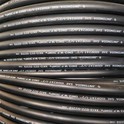
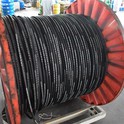
When it comes to hydraulic systems, choosing the right rubber hose is crucial for ensuring optimal performance and safety. Among the various types of rubber hoses available in the market, the RUBBER Hose SAE R17 stands out as a reliable option for high-pressure applications. As a supplier of RUBBER Hose SAE R17, I often receive inquiries about its pressure rating. In this blog post, I will delve into the details of the pressure rating of RUBBER Hose SAE R17, providing you with the information you need to make an informed decision for your hydraulic system.
Understanding SAE Standards
Before we discuss the pressure rating of RUBBER Hose SAE R17, it's important to understand the role of the Society of Automotive Engineers (SAE) in setting standards for hydraulic hoses. The SAE has developed a comprehensive set of standards for hydraulic hoses, which includes specifications for construction, performance, and safety. These standards ensure that hydraulic hoses meet the minimum requirements for use in various applications, providing a level of consistency and reliability across the industry.
The SAE R17 standard specifically applies to high-pressure, four-spiral hydraulic hoses. These hoses are designed to withstand extreme pressures and are commonly used in applications such as construction equipment, mining machinery, and industrial hydraulic systems. The SAE R17 standard outlines the requirements for the hose's construction, including the number of reinforcement layers, the type of rubber used for the inner tube and outer cover, and the minimum burst pressure.
Pressure Rating of RUBBER Hose SAE R17
The pressure rating of a hydraulic hose refers to the maximum pressure that the hose can safely withstand under normal operating conditions. For RUBBER Hose SAE R17, the pressure rating is determined by several factors, including the hose's construction, the type of reinforcement used, and the diameter of the hose.
Typically, RUBBER Hose SAE R17 has a working pressure rating ranging from 3500 to 5000 psi (pounds per square inch). This high-pressure rating makes it suitable for use in applications where high-pressure hydraulic fluid needs to be transferred, such as in heavy-duty construction equipment and industrial machinery.
It's important to note that the working pressure rating is different from the burst pressure rating. The burst pressure rating is the maximum pressure that the hose can withstand before it fails or bursts. For RUBBER Hose SAE R17, the burst pressure rating is typically four times the working pressure rating. This means that a hose with a working pressure rating of 3500 psi will have a burst pressure rating of approximately 14,000 psi.


Factors Affecting the Pressure Rating
Several factors can affect the pressure rating of RUBBER Hose SAE R17. These factors include:
- Reinforcement Material: The type of reinforcement material used in the hose plays a significant role in determining its pressure rating. RUBBER Hose SAE R17 typically uses four layers of high-tensile steel wire spirals as reinforcement, which provides excellent strength and resistance to pressure.
- Hose Diameter: The diameter of the hose also affects its pressure rating. Generally, smaller diameter hoses have a higher pressure rating than larger diameter hoses. This is because the smaller diameter allows for a more compact and stronger construction, which can withstand higher pressures.
- Temperature: The temperature of the hydraulic fluid and the operating environment can also affect the pressure rating of the hose. High temperatures can cause the rubber to soften and degrade, reducing the hose's ability to withstand pressure. Therefore, it's important to choose a hose that is rated for the specific temperature range of your application.
- Bend Radius: The bend radius of the hose refers to the minimum radius that the hose can be bent without causing damage. A smaller bend radius can increase the stress on the hose, reducing its pressure rating. Therefore, it's important to ensure that the hose is installed with the correct bend radius to maintain its pressure rating.
Comparing with Other SAE Hose Standards
To better understand the pressure rating of RUBBER Hose SAE R17, it's helpful to compare it with other SAE hose standards. For example, RUBBER Hose SAE R9 is a two-spiral hydraulic hose with a working pressure rating ranging from 1500 to 3000 psi. While it is suitable for moderate-pressure applications, it is not designed to withstand the high pressures required for heavy-duty applications.
On the other hand, RUBBER Hose SAE R12 is a four-spiral hydraulic hose with a working pressure rating similar to that of RUBBER Hose SAE R17. However, RUBBER Hose SAE R12 is designed for use with petroleum-based hydraulic fluids, while RUBBER Hose SAE R17 is suitable for use with both petroleum-based and water-based hydraulic fluids.
Another comparable standard is RUBBER Hose SAE R13, which is also a four-spiral hydraulic hose. RUBBER Hose SAE R13 has a higher pressure rating than RUBBER Hose SAE R17, with a working pressure rating ranging from 4000 to 6000 psi. However, it is typically more expensive and may not be necessary for all applications.
Importance of Choosing the Right Pressure Rating
Choosing the right pressure rating for your hydraulic hose is essential for ensuring the safety and performance of your hydraulic system. Using a hose with a pressure rating that is too low can result in hose failure, which can lead to leaks, spills, and even equipment damage. On the other hand, using a hose with a pressure rating that is too high can be unnecessary and may increase the cost of your hydraulic system.
When selecting a RUBBER Hose SAE R17 for your application, it's important to consider the maximum pressure that the hose will be exposed to under normal operating conditions. This includes factors such as the pressure generated by the hydraulic pump, the pressure drop across the system, and any additional pressure spikes that may occur during operation.
It's also important to ensure that the hose is installed correctly and maintained properly. This includes following the manufacturer's recommendations for installation, such as using the correct fittings and maintaining the proper bend radius. Regular inspection and maintenance of the hose can help to identify any potential issues before they become serious problems, ensuring the long-term reliability of your hydraulic system.
Contact Us for Your RUBBER Hose SAE R17 Needs
As a leading supplier of RUBBER Hose SAE R17, we offer a wide range of high-quality hoses that meet the SAE R17 standard. Our hoses are manufactured using the latest technology and the highest quality materials, ensuring reliable performance and long service life.
If you have any questions about the pressure rating of RUBBER Hose SAE R17 or need assistance in selecting the right hose for your application, please don't hesitate to contact us. Our team of experts is available to provide you with the information and support you need to make an informed decision. We look forward to working with you to meet your hydraulic hose needs.
References
- Society of Automotive Engineers (SAE). SAE J517 - Hydraulic Rubber Hoses.
- Manufacturer's specifications for RUBBER Hose SAE R17.