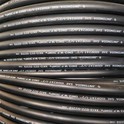
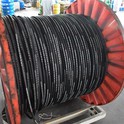
As a supplier of low side hoses, I've witnessed firsthand the critical role these components play in various industries. Low side hoses are essential for transporting fluids under low pressure, and their performance can significantly impact the efficiency and reliability of a system. One factor that can have a profound effect on the integrity of low side hoses is ozone exposure. In this blog post, I'll explore the reaction of low side hoses to ozone and discuss the implications for hose selection and maintenance.
Understanding Ozone and Its Effects
Ozone (O3) is a highly reactive gas composed of three oxygen atoms. It occurs naturally in the Earth's atmosphere, where it plays a crucial role in protecting us from harmful ultraviolet radiation. However, ozone can also be produced by human activities, such as industrial processes, electrical discharges, and the use of certain chemicals. In high concentrations, ozone can be a powerful oxidizing agent, capable of reacting with a wide range of materials, including rubber and plastics.
When low side hoses are exposed to ozone, several chemical reactions can occur. Ozone molecules can break down the double bonds in the rubber polymers that make up the hose material, causing the rubber to become brittle and crack. This process, known as ozone cracking, can weaken the hose and compromise its structural integrity, leading to leaks and eventual failure.
Factors Affecting Ozone Resistance
The reaction of low side hoses to ozone depends on several factors, including the type of rubber material used, the ozone concentration, the temperature, and the exposure time. Different rubber compounds have varying levels of ozone resistance, with some materials being more resistant than others. For example, neoprene and ethylene propylene diene monomer (EPDM) are known for their excellent ozone resistance, making them popular choices for applications where ozone exposure is a concern.
The concentration of ozone in the environment also plays a significant role in determining the rate of ozone cracking. Higher ozone concentrations can accelerate the degradation process, causing the hose to crack more quickly. Temperature and exposure time are also important factors, as higher temperatures and longer exposure times can increase the rate of chemical reactions and exacerbate the effects of ozone on the hose material.
Impact on Low Side Hose Performance
The effects of ozone exposure on low side hoses can have serious consequences for the performance and reliability of a system. Ozone cracking can lead to leaks, which can result in fluid loss, reduced system efficiency, and potential safety hazards. In addition, cracked hoses may not be able to withstand the pressure and flow requirements of the system, leading to further damage and downtime.
To prevent ozone-related issues, it's important to select low side hoses that are specifically designed to resist ozone. Look for hoses made from ozone-resistant rubber materials, such as neoprene or EPDM, and ensure that they are rated for the specific ozone concentration and environmental conditions of your application. It's also important to follow proper installation and maintenance procedures to minimize the risk of ozone exposure and extend the lifespan of the hoses.
Selecting the Right Low Side Hose
When selecting low side hoses for applications where ozone exposure is a concern, it's important to consider several factors. In addition to ozone resistance, you should also consider the pressure rating, temperature range, chemical compatibility, and flexibility of the hose. Choose a hose that is suitable for the specific requirements of your application and that meets the relevant industry standards and regulations.
At our company, we offer a wide range of low side hoses that are designed to provide excellent ozone resistance and performance. Our hoses are made from high-quality materials and are available in a variety of sizes and configurations to meet the needs of different applications. Whether you need a Low Pressure Oil Hose for a hydraulic system or a hose for a pneumatic application, we have the right solution for you.
Maintaining Low Side Hoses
Proper maintenance is essential for ensuring the long-term performance and reliability of low side hoses, especially in applications where ozone exposure is a concern. Regular inspections can help identify signs of ozone cracking or other damage early on, allowing you to take corrective action before the hose fails. Look for cracks, splits, or other signs of degradation on the surface of the hose, and replace any damaged hoses immediately.
In addition to regular inspections, it's also important to protect the hoses from ozone exposure as much as possible. Store the hoses in a cool, dry place away from sources of ozone, such as electrical equipment or industrial processes. If the hoses are exposed to ozone during use, consider using ozone-resistant covers or sleeves to provide an additional layer of protection.
Conclusion
Ozone exposure can have a significant impact on the performance and reliability of low side hoses. By understanding the reaction of low side hoses to ozone and taking appropriate measures to prevent ozone-related issues, you can ensure the long-term performance and safety of your systems. At our company, we are committed to providing high-quality low side hoses that are designed to resist ozone and meet the needs of our customers. If you have any questions or need assistance selecting the right hose for your application, please don't hesitate to [contact us](not provided) for more information. We look forward to working with you to find the best solution for your needs.


References
- "Ozone Resistance of Rubber Materials." Rubber World Magazine.
- "Understanding Ozone Cracking in Rubber Hoses." Hose and Fittings Industry.
- "Selecting the Right Hose for Ozone-Exposed Applications." Fluid Power Journal.