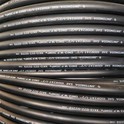
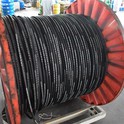
Hey there! As a supplier of Rubber Hose EN856, I often get asked about the tear strength of these hoses. So, I thought I'd take a moment to break it down for you.
First off, let's talk about what tear strength actually means. Tear strength is a measure of how resistant a material is to tearing when a force is applied to it. In the case of Rubber Hose EN856, this is a crucial property because these hoses are often used in high - pressure hydraulic systems where they can be subjected to all sorts of stresses and strains.
The tear strength of Rubber Hose EN856 is determined by a few key factors. One of the main factors is the type of rubber used in the hose's construction. Different types of rubber have different inherent tear strengths. For example, some synthetic rubbers are known for their high tear resistance, while others may be more flexible but have lower tear strength.
Another important factor is the reinforcement layer inside the hose. Rubber Hose EN856 typically has one or more layers of reinforcement, which can be made from materials like steel wire or textile. These reinforcement layers play a big role in enhancing the hose's tear strength. The way these layers are arranged and bonded to the rubber also affects how well the hose can withstand tearing.
When it comes to testing the tear strength of Rubber Hose EN856, there are specific industry standards and procedures. Manufacturers usually conduct tests in a controlled laboratory environment to ensure that the hoses meet the required tear strength specifications. These tests involve applying a gradually increasing force to a sample of the hose until it starts to tear. The force at which the tearing occurs is then measured and recorded.
Now, why does tear strength matter so much for Rubber Hose EN856? Well, in harsh industrial environments, hoses can come into contact with sharp objects, get pinched, or be subjected to sudden impacts. If a hose has low tear strength, it's more likely to fail under these conditions, which can lead to costly downtime, safety hazards, and even environmental problems due to fluid leaks.
Let's compare Rubber Hose EN856 with some other similar hoses. For instance, Rubber Hose 4SP is another type of hydraulic hose. While both hoses are designed for hydraulic applications, they may have different tear strength characteristics based on their construction and intended use. Rubber Hose EN857 is also in the same category, and understanding the differences in tear strength between these hoses can help you choose the right one for your specific needs.
If you're in the market for high - quality Rubber Hose EN856, it's important to look for a supplier who can provide detailed information about the tear strength of their hoses. At our company, we take pride in offering hoses that meet or exceed industry standards for tear strength. We source the best materials and use advanced manufacturing techniques to ensure that our hoses are tough and reliable.
When you're evaluating different suppliers, ask them about the testing methods they use to determine tear strength. A reputable supplier should be able to provide you with test reports and certificates that show the actual tear strength of their hoses. This way, you can make an informed decision and choose a hose that will perform well in your specific application.
In addition to tear strength, there are other factors to consider when buying Rubber Hose EN856. Things like pressure rating, temperature resistance, and chemical compatibility are also important. But tear strength is definitely one of the key factors that can make or break the performance of a hose in a demanding environment.


We've seen firsthand how a high - tear - strength hose can make a big difference in our customers' operations. For example, in a construction site where hoses are constantly being moved around and exposed to rough surfaces, a hose with good tear strength will last much longer and require fewer replacements. This not only saves money but also reduces the risk of unexpected breakdowns.
If you're still not sure whether Rubber Hose EN856 is the right choice for you, our team of experts is here to help. We can answer all your questions about tear strength and other hose properties, and we can also recommend the best hose for your particular application.
In conclusion, the tear strength of Rubber Hose EN856 is a critical property that directly affects its performance and durability. By understanding the factors that influence tear strength and choosing a high - quality hose from a reliable supplier, you can ensure that your hydraulic systems run smoothly and safely.
If you're interested in learning more about our Rubber Hose EN856 or are ready to make a purchase, don't hesitate to get in touch. We're always happy to have a chat and discuss your specific requirements. Whether you need a small quantity for a one - time project or a large order for a long - term supply, we've got you covered.
References
- Industry standards for hydraulic hoses
- Manufacturer's technical documentation on Rubber Hose EN856