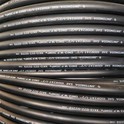
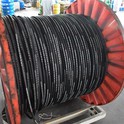
As a supplier of RUBBER Hose SAE R12, I often receive inquiries about the temperature range of this product. Understanding the appropriate temperature range is crucial for ensuring the optimal performance and longevity of the hose in various applications. In this blog post, I will delve into the temperature specifications of RUBBER Hose SAE R12, explore the factors that influence its temperature tolerance, and provide insights into how to select the right hose for your specific temperature requirements.
Temperature Range of RUBBER Hose SAE R12
The temperature range for RUBBER Hose SAE R12 typically falls between -40°F (-40°C) and 212°F (100°C). This wide temperature tolerance makes the hose suitable for a variety of hydraulic applications in both cold and hot environments. The lower temperature limit of -40°F (-40°C) ensures that the hose remains flexible and functional even in extremely cold conditions, preventing cracking and brittleness. On the other hand, the upper temperature limit of 212°F (100°C) allows the hose to withstand the heat generated by hydraulic systems without losing its structural integrity or performance.
It's important to note that the temperature range can vary depending on the specific construction and materials used in the hose. Some RUBBER Hose SAE R12 products may have a slightly different temperature tolerance, so it's always recommended to refer to the manufacturer's specifications for the exact temperature range. Additionally, factors such as the type of fluid being conveyed, the pressure of the system, and the duration of exposure to high or low temperatures can also affect the hose's performance within its temperature range.
Factors Influencing Temperature Tolerance
Several factors can influence the temperature tolerance of RUBBER Hose SAE R12. Understanding these factors can help you make an informed decision when selecting a hose for your application.


Material Composition
The materials used in the construction of the hose play a significant role in determining its temperature tolerance. RUBBER Hose SAE R12 is typically made of synthetic rubber, which offers excellent resistance to heat, oil, and abrasion. Different types of synthetic rubber have varying temperature ratings, so it's important to choose a hose that is specifically designed for the temperature conditions of your application. For example, hoses made of nitrile rubber (NBR) are commonly used in hydraulic systems and have a good temperature range, but they may not be suitable for applications where the temperature exceeds 212°F (100°C). In such cases, hoses made of fluorocarbon rubber (FKM) or silicone rubber (VMQ) may be more appropriate, as they can withstand higher temperatures.
Reinforcement Layer
The reinforcement layer of the hose provides strength and support, helping it to withstand the pressure and temperature of the hydraulic system. The type of reinforcement used can also affect the hose's temperature tolerance. RUBBER Hose SAE R12 is usually reinforced with high-tensile steel wire braids or spirals, which offer excellent strength and durability. However, the reinforcement layer can also act as a heat conductor, transferring heat from the fluid to the outer layer of the hose. To minimize the impact of heat transfer, some hoses are designed with a heat-resistant insulation layer between the reinforcement and the outer cover.
Fluid Compatibility
The type of fluid being conveyed through the hose can also affect its temperature tolerance. Different fluids have different chemical properties and temperature ratings, so it's important to choose a hose that is compatible with the fluid in your system. For example, hydraulic oils, which are commonly used in hydraulic systems, have a specific temperature range within which they can function effectively. If the fluid temperature exceeds this range, it can cause the oil to break down, leading to reduced performance and potential damage to the hose. Additionally, some fluids may be corrosive or abrasive, which can also affect the hose's performance and lifespan.
Selecting the Right Hose for Your Temperature Requirements
When selecting a RUBBER Hose SAE R12 for your application, it's important to consider the temperature conditions of your system. Here are some tips to help you choose the right hose:
Determine the Temperature Range
First, determine the minimum and maximum temperatures that the hose will be exposed to in your application. This will help you narrow down your options and choose a hose that has a temperature range that meets your requirements. Make sure to consider any potential temperature fluctuations or extremes that may occur during normal operation or in emergency situations.
Consider the Fluid Type
Next, consider the type of fluid that will be flowing through the hose. Different fluids have different temperature ratings and chemical properties, so it's important to choose a hose that is compatible with the fluid in your system. Check the manufacturer's specifications to ensure that the hose is suitable for the fluid you are using.
Evaluate the Application Environment
The environment in which the hose will be installed can also affect its temperature tolerance. For example, if the hose will be exposed to direct sunlight or high levels of heat radiation, you may need to choose a hose with a higher temperature rating or a heat-resistant outer cover. Similarly, if the hose will be installed in a cold environment, you may need to choose a hose that is designed to remain flexible at low temperatures.
Consult with a Professional
If you're unsure which hose is right for your application, it's always a good idea to consult with a professional. A knowledgeable supplier or engineer can help you evaluate your requirements and recommend the best hose for your specific application. They can also provide you with detailed information about the temperature range, material composition, and other features of the hose to ensure that you make an informed decision.
Comparison with Other Hose Types
While RUBBER Hose SAE R12 is a popular choice for many hydraulic applications, it's important to note that there are other hose types available that may be more suitable for certain temperature conditions. Here's a brief comparison of RUBBER Hose SAE R12 with two other common hose types:
RUBBER Hose SAE R16
RUBBER Hose SAE R16 is a high-pressure hydraulic hose that is designed for use in applications where high pressure and temperature are required. It has a similar temperature range to RUBBER Hose SAE R12, typically between -40°F (-40°C) and 212°F (100°C). However, RUBBER Hose SAE R16 is reinforced with multiple layers of high-tensile steel wire braids or spirals, which gives it a higher pressure rating and better resistance to abrasion and impact. This makes it a good choice for applications such as construction equipment, mining machinery, and agricultural vehicles.
RUBBER Hose SAE R2AT
RUBBER Hose SAE R2AT is a medium-pressure hydraulic hose that is commonly used in general hydraulic applications. It has a temperature range of -40°F (-40°C) to 212°F (100°C), similar to RUBBER Hose SAE R12 and R16. However, RUBBER Hose SAE R2AT is reinforced with two layers of high-tensile steel wire braids, which gives it a lower pressure rating compared to RUBBER Hose SAE R16. This makes it a more cost-effective option for applications where lower pressure is required, such as industrial machinery and automotive systems.
Conclusion
In conclusion, the temperature range for RUBBER Hose SAE R12 is typically between -40°F (-40°C) and 212°F (100°C), but it can vary depending on the specific construction and materials used. Understanding the factors that influence the temperature tolerance of the hose, such as material composition, reinforcement layer, and fluid compatibility, is crucial for selecting the right hose for your application. By considering the temperature conditions of your system, the type of fluid being conveyed, and the application environment, you can ensure that the hose you choose will perform effectively and safely. If you have any questions or need further assistance in selecting a RUBBER Hose SAE R12 for your application, please feel free to contact us. We are a leading supplier of hydraulic hoses and can provide you with high-quality products and professional advice.
References
- Manufacturer's specifications for RUBBER Hose SAE R12
- Hydraulic hose industry standards and guidelines
- Technical literature on synthetic rubber materials and their properties