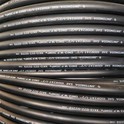
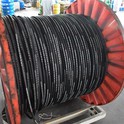
As a supplier of Rubber Hose 1SN, I am often asked about the temperature range of this particular type of rubber hose. In this blog post, I will delve into the details of the temperature range of Rubber Hose 1SN, explaining why it is crucial to understand this parameter and how it impacts the performance and durability of the hose.
Understanding Rubber Hose 1SN
Before we discuss the temperature range, let's briefly introduce Rubber Hose 1SN. This is a type of hydraulic rubber hose that is widely used in various industrial applications. It is designed to handle high - pressure hydraulic systems, making it suitable for heavy - duty machinery such as construction equipment, agricultural machinery, and industrial presses. The 1SN hose is known for its excellent flexibility, high pressure resistance, and long service life.
The Temperature Range of Rubber Hose 1SN
The typical temperature range for Rubber Hose 1SN is from - 40°C to +100°C (- 40°F to +212°F). This range is determined by the materials used in the construction of the hose, including the inner tube, reinforcement layer, and outer cover.
Inner Tube
The inner tube of the Rubber Hose 1SN is usually made of synthetic rubber, such as nitrile butadiene rubber (NBR). NBR has good resistance to oil, fuel, and other hydraulic fluids. It can maintain its flexibility and sealing properties within the specified temperature range. At low temperatures, NBR can become stiff, which may affect the flow of the hydraulic fluid and increase the risk of cracking. At high temperatures, NBR may start to degrade, leading to a loss of its mechanical properties and potentially causing leaks.
Reinforcement Layer
The reinforcement layer of the 1SN hose is typically made of high - strength steel wire. Steel wire has excellent tensile strength and can withstand high pressures. However, extreme temperatures can also affect the performance of the reinforcement layer. At low temperatures, the steel wire may become more brittle, increasing the risk of breakage. At high temperatures, the steel wire may expand, which can cause stress on the inner tube and outer cover.
Outer Cover
The outer cover of the Rubber Hose 1SN is usually made of synthetic rubber, which provides protection against abrasion, weather, and chemicals. The outer cover needs to be able to withstand the same temperature range as the inner tube and reinforcement layer. At low temperatures, the outer cover may become hard and lose its flexibility, making it more susceptible to damage from external forces. At high temperatures, the outer cover may start to melt or decompose, exposing the inner layers of the hose.
Importance of Staying within the Temperature Range
Staying within the recommended temperature range is crucial for the proper functioning and longevity of the Rubber Hose 1SN.
Performance
If the temperature exceeds the upper limit, the hose may experience a reduction in its pressure - bearing capacity. The rubber materials may soften, and the reinforcement layer may lose its integrity, leading to potential leaks or even hose failure. On the other hand, if the temperature drops below the lower limit, the hose may become stiff and inflexible, making it difficult to install and increasing the risk of cracking during operation.
Durability
Operating the hose outside the recommended temperature range can significantly reduce its service life. The rubber materials may degrade more quickly, and the reinforcement layer may be subject to more stress and damage. This can lead to frequent replacements of the hose, increasing maintenance costs and downtime.
Applications and Temperature Considerations
When choosing a Rubber Hose 1SN for a specific application, it is essential to consider the operating temperature of the environment.
Cold Environments
In cold environments, such as in the Arctic or during winter operations, special considerations need to be taken. The hose should be properly insulated to prevent it from reaching temperatures below the lower limit. Additionally, the hydraulic fluid used in the system should have a low - temperature viscosity that is compatible with the hose.


Hot Environments
In hot environments, such as in foundries or in desert regions, the hose needs to be protected from direct heat sources. Shields or insulation can be used to reduce the temperature of the hose. The hydraulic fluid should also have a high - temperature stability to ensure proper operation of the system.
Comparing with Other Types of Rubber Hoses
While Rubber Hose 1SN has its specific temperature range, other types of rubber hoses, such as Rubber Hose 4SP, Rubber Hose EN853, and Rubber Hose EN857, may have different temperature ranges.
- Rubber Hose 4SP: This hose is designed for high - pressure applications and generally has a similar temperature range to the 1SN hose. However, due to its different construction and reinforcement design, it may have slightly different performance characteristics at extreme temperatures.
- Rubber Hose EN853: This type of hose is often used in general - purpose hydraulic applications. It may have a wider or narrower temperature range depending on the specific requirements of the standard and the materials used in its construction.
- Rubber Hose EN857: Similar to the EN853 hose, the EN857 hose is also used in hydraulic systems. The temperature range may vary based on the type of hose (e.g., 2SC, 4SH) and the materials used.
Contact for Purchase and Consultation
If you are in the market for Rubber Hose 1SN or need more information about its temperature range and suitability for your application, I encourage you to reach out to me. As a professional supplier, I can provide you with detailed product specifications, technical support, and competitive pricing. Whether you are involved in the construction, agriculture, or industrial sectors, I am confident that I can offer you the right solution for your hydraulic hose needs.
References
- "Handbook of Rubber Technology", Edited by K. C. Gupta
- "Hydraulic Hose Design and Application Standards", Various Industry Publications