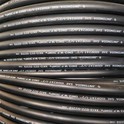
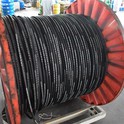
Hey there! I'm a supplier of low pressure hoses, and today we're going to dig into an important topic: the wall thickness of a low pressure hose.
First off, you might be wondering why wall thickness even matters. Well, let me tell you, it's super crucial. The wall thickness of a low - pressure hose directly impacts its performance, durability, and safety. A hose with the right wall thickness can handle the pressure it's designed for, resist abrasion and damage, and ensure that your system runs smoothly.
So, what exactly determines the wall thickness of a low - pressure hose? There are a bunch of factors at play here. One of the main ones is the pressure rating of the hose. Even though we're talking about low - pressure hoses, they still need to withstand a certain amount of pressure. If the pressure is higher, the hose will generally need a thicker wall to stay intact and prevent leaks or bursts.
The type of fluid or gas the hose is going to carry also matters a lot. Some fluids are more corrosive or abrasive than others. For example, if you're using a hose to carry chemicals, it'll need a thicker wall to resist chemical attack. On the other hand, if it's just used for transporting water, the requirements might be a bit less strict.
Another factor is the environment in which the hose will be used. If it's going to be exposed to extreme temperatures, rough surfaces, or high levels of UV radiation, a thicker wall can provide extra protection. For instance, if a hose is installed outdoors in a sunny area, a thicker wall can help prevent the hose from cracking due to UV damage.
Now, let's talk about the different types of low - pressure hoses and their typical wall thicknesses.
The Low Side Hose is commonly used in various applications where the pressure is relatively low. In most cases, these hoses have a wall thickness that ranges from 1/16 inch to 1/8 inch. This thickness provides a good balance between flexibility and strength. A thinner wall makes the hose more flexible, which can be handy in tight spaces or when you need to bend the hose around corners. But at the same time, the thickness is sufficient to withstand the low - pressure environment.
The Low Pressure Breathing Air Hose is designed for a very specific and important application - providing breathable air. The wall thickness of these hoses is carefully calibrated to ensure that they are gas - tight and safe to use. Generally, the wall thickness of a low - pressure breathing air hose is around 3/32 inch. This thickness not only maintains the pressure of the breathing air but also protects against external contaminants.
The Arpico Rubber Hose is known for its durability and flexibility. The wall thickness of an Arpico rubber hose varies depending on its intended use. For light - duty applications, the wall thickness might be around 1/16 inch, while for more heavy - duty tasks, it can go up to 3/16 inch. This allows the hose to adapt to different working conditions and pressures.
But how do you choose the right wall thickness for your low - pressure hose? It's all about assessing your specific needs. You need to know the exact pressure that the hose will be subjected to. You should also be aware of the type of fluid or gas it'll carry and the environmental conditions. If you're not sure, it's always a good idea to consult with a professional.
As a low - pressure hose supplier, I've seen firsthand how choosing the wrong wall thickness can lead to problems. A hose with a wall that's too thin might not be able to handle the pressure, resulting in leaks or even bursts. This can not only cause downtime but also pose a safety risk. On the other hand, a hose with a wall that's too thick can be unnecessarily rigid and expensive.
So, if you're in the market for a low - pressure hose, take the time to consider all these factors. And remember, I'm here to help. Whether you need a low side hose, a low - pressure breathing air hose, or an Arpico rubber hose, I've got a wide range of options to meet your requirements.

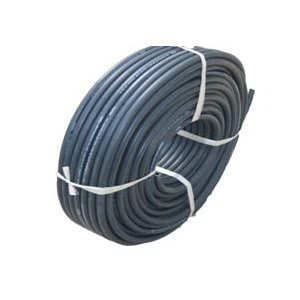
If you want to learn more or start a discussion about which low - pressure hose is right for you, don't hesitate to reach out. I'm happy to share my knowledge and expertise to make sure you get the best hose for your needs. Whether it's for an industrial application, a household project, or something else, I've got you covered. Let's talk and see how we can work together to find the perfect low - pressure hose solution for you.
References:
- Industry standards and guidelines for low - pressure hoses
- Manufacturer specifications for various types of low - pressure hoses