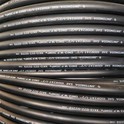
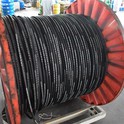
Hey there! I'm a supplier of Hyd Hose Assy, and today I'm gonna talk about the materials used to make these awesome products.
First off, let's understand what a Hyd Hose Assy is. A Hyd Hose Assy, or hydraulic hose assembly, is a crucial component in hydraulic systems. It's used to transfer high - pressure hydraulic fluid from one part of the system to another. You can check out more about Hyd Hose Assy on this page Hyd Hose Assy.
Inner Tube Materials
The inner tube of a Hyd Hose Assy is in direct contact with the hydraulic fluid. So, it needs to be made of materials that are resistant to the fluid and can handle high pressures.
One of the most commonly used materials for the inner tube is nitrile rubber. Nitrile rubber is great because it has excellent resistance to oil, fuel, and other hydraulic fluids. It can also withstand a wide range of temperatures, which is super important in different working environments. Whether it's a hot summer day on a construction site or a cold winter in a factory, nitrile rubber inner tubes can keep the hydraulic fluid flowing smoothly.
Another option is fluorocarbon rubber. Fluorocarbon rubber has even better chemical resistance than nitrile rubber. It can handle more aggressive hydraulic fluids and is more suitable for high - temperature applications. However, it's also more expensive, so it's usually used in specialized situations where the extra performance is really needed.
Reinforcement Layers
The reinforcement layers are what give the Hyd Hose Assy its strength and pressure - handling capabilities. There are a few different materials used for reinforcement.
Steel wire is a very popular choice. Steel wire can be braided or spiraled around the inner tube. Braided steel wire provides good flexibility and is suitable for applications where the hose needs to bend a lot, like in robotic arms or some mobile hydraulic equipment. Spiraled steel wire, on the other hand, can handle higher pressures. It's often used in heavy - duty industrial applications, such as large construction machinery or mining equipment.
Synthetic fibers like polyester and aramid are also used for reinforcement. Polyester is relatively inexpensive and has good tensile strength. It's a common choice for medium - pressure hydraulic hoses. Aramid fibers, such as Kevlar, are extremely strong and lightweight. They offer high strength - to - weight ratios, which means the hose can be lighter while still handling high pressures. This is beneficial in applications where weight is a concern, like in aerospace or some high - performance automotive hydraulic systems.
Outer Cover Materials
The outer cover of the Hyd Hose Assy protects the inner tube and reinforcement layers from external damage, such as abrasion, weather, and chemicals.
Neoprene rubber is a popular outer cover material. It has good resistance to weather, ozone, and abrasion. Neoprene - covered hoses are often used in outdoor applications, like in agriculture or forestry equipment, where the hose is exposed to the elements and may rub against other surfaces.
Another option is polyurethane. Polyurethane outer covers offer excellent abrasion resistance. They are very tough and can withstand a lot of wear and tear. Polyurethane - covered hoses are commonly used in industrial settings where the hose may come into contact with sharp objects or rough surfaces.
Specific Product Examples
Let's take a look at some specific products. The Hydraulic Hose DIN EN856 is a well - known type of hydraulic hose. It usually has an inner tube made of nitrile rubber, multiple layers of steel wire reinforcement, and an outer cover made of neoprene or other suitable materials. This hose meets the DIN EN856 standard, which ensures its quality and performance in various hydraulic applications.
The JINTONGDA Rubber Hose 15m is another example. It might have a different combination of materials depending on its intended use. Maybe it has a polyester - reinforced inner tube for medium - pressure applications and a polyurethane outer cover for good abrasion resistance.
Conclusion
As you can see, there are a variety of materials used to make a Hyd Hose Assy, each with its own unique properties and advantages. The choice of materials depends on the specific requirements of the hydraulic system, such as the type of hydraulic fluid, the operating pressure, the temperature range, and the working environment.


If you're in the market for Hyd Hose Assy products, I'd love to have a chat with you. Whether you need a standard hose assembly or a customized solution, I can help you find the right product with the best combination of materials for your needs. Just reach out, and we can start the procurement discussion.
References
- "Handbook of Hydraulic Fluid Technology"
- "Hydraulic Systems Design and Maintenance"