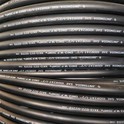
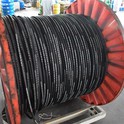
Hey there! As a supplier of RUBBER Hose SAE R15, I often get asked about when it's time to replace these hoses. Well, let's dive right into it and figure out the tell - tale signs that it's time for a new one.
First off, let's understand what RUBBER Hose SAE R15 is all about. It's a type of hydraulic rubber hose that meets the SAE (Society of Automotive Engineers) R15 standard. This standard sets the bar for things like pressure ratings, temperature ranges, and construction quality. These hoses are commonly used in various hydraulic systems, from industrial machinery to automotive applications. You can learn more about them on this RUBBER Hose SAE R15 page.
Physical Damage
One of the most obvious reasons to replace a RUBBER Hose SAE R15 is physical damage. Over time, hoses can get banged up. You might notice cuts, abrasions, or punctures on the outer layer of the hose. These can be caused by things like rubbing against sharp edges, being hit by tools, or even just general wear and tear in a rough environment.
A cut or abrasion on the outer rubber layer might not seem like a big deal at first, but it can actually lead to more serious problems. The outer layer of the hose is there to protect the inner layers from damage and environmental factors. Once it's compromised, moisture, dirt, and other contaminants can seep in and start to break down the inner layers. This can weaken the hose and eventually cause it to fail under pressure.
If you see any visible cuts or abrasions, especially if they're deep enough to expose the inner layers of the hose, it's definitely time to replace it. Don't take any chances with a damaged hose, as a sudden failure could lead to hydraulic fluid leaks, equipment downtime, and even safety hazards.
Bulging or Blistering
Another sign that your RUBBER Hose SAE R15 needs to be replaced is if you notice any bulging or blistering on the hose. This is a serious issue that indicates internal damage to the hose. Bulging or blistering can occur when the inner layers of the hose start to separate or when there's a problem with the reinforcement layers.
High - pressure hydraulic systems can put a lot of stress on the hoses. If the hose isn't able to handle the pressure properly, it can start to bulge. This is a clear warning sign that the hose is on the verge of failure. Once a hose starts to bulge, it's only a matter of time before it bursts, which can cause a major mess and potentially damage the equipment.
If you see any bulging or blistering on your RUBBER Hose SAE R15, shut down the equipment immediately and replace the hose. It's not worth the risk of waiting and hoping that it won't fail.
Age and Usage
Even if your RUBBER Hose SAE R15 doesn't show any obvious signs of physical damage, it might still need to be replaced based on its age and usage. Rubber hoses have a limited lifespan, and over time, the rubber can start to deteriorate. Exposure to heat, sunlight, chemicals, and hydraulic fluids can all cause the rubber to break down.
As a general rule of thumb, it's a good idea to replace your RUBBER Hose SAE R15 every 5 - 7 years, depending on the operating conditions. If the hose is used in a harsh environment with high temperatures, frequent bending, or exposure to chemicals, you might need to replace it more often.
Usage also plays a big role. If the hose is used in a high - pressure system with frequent pressure spikes or in a system that operates continuously, it will wear out faster than a hose that's used less frequently. Keep track of how often the hose is used and replace it when it reaches the end of its expected lifespan.
Fluid Leaks
Fluid leaks are another clear sign that your RUBBER Hose SAE R15 needs to be replaced. A leak can occur at the fittings or along the length of the hose. If you notice any hydraulic fluid dripping or spraying from the hose, it's a problem that needs to be addressed right away.
Leaks can be caused by a variety of factors, including loose fittings, damaged seals, or a cracked hose. In some cases, a small leak might seem like it can be fixed with a quick patch or a tightened fitting. However, more often than not, a leak is a sign of a bigger problem with the hose.
Even a small leak can lead to a loss of hydraulic fluid, which can affect the performance of the hydraulic system. It can also cause environmental issues if the fluid leaks onto the ground. If you see any fluid leaks, don't try to patch it up. Replace the hose to ensure the proper functioning of your equipment.


Comparison with Other Hoses
It's also worth comparing the RUBBER Hose SAE R15 with other similar hoses in the market, like the Rubber Hose 2SN and RUBBER Hose SAE R13. Each type of hose has its own set of advantages and disadvantages, and depending on your specific application, one might be more suitable than the others.
The RUBBER Hose SAE R15 is designed for high - pressure applications and offers good flexibility and durability. However, if your application requires a different pressure rating or has specific environmental conditions, you might want to consider one of the other options. By understanding the differences between these hoses, you can make a more informed decision about when to replace your RUBBER Hose SAE R15 and what to replace it with.
Conclusion
So, there you have it! Knowing when to replace your RUBBER Hose SAE R15 is crucial for the proper functioning and safety of your hydraulic systems. Keep an eye out for physical damage, bulging or blistering, age and usage, and fluid leaks. If you notice any of these signs, don't hesitate to replace the hose.
As a supplier of RUBBER Hose SAE R15, I'm here to help you make the right choice for your needs. Whether you're looking for a replacement hose or need advice on which hose is best for your application, feel free to reach out. We can discuss your requirements and find the perfect solution for you. Contact us to start the procurement process and get the high - quality RUBBER Hose SAE R15 your equipment deserves.
References
- Society of Automotive Engineers (SAE) standards for hydraulic hoses.
- Manufacturer's guidelines for RUBBER Hose SAE R15.
- Industry best practices for hydraulic system maintenance.