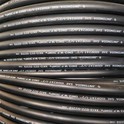
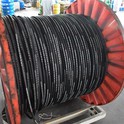
As a supplier of rubber hose pipes, I often get asked whether our products can withstand cold climates. This is a crucial question, especially for industries and applications that operate in regions with harsh winter conditions. In this blog post, I'll delve into the factors that determine a rubber hose pipe's performance in cold weather, the types of hoses suitable for such conditions, and some practical tips for using them effectively.
Understanding the Impact of Cold on Rubber Hose Pipes
Rubber is a versatile material known for its flexibility, durability, and resistance to various chemicals and abrasions. However, extreme cold can significantly affect its properties. When exposed to low temperatures, rubber tends to harden and lose its elasticity. This hardening can lead to several issues:
Reduced Flexibility
One of the primary advantages of rubber hoses is their ability to bend and flex without kinking. In cold climates, the reduced flexibility makes it difficult to maneuver the hoses, increasing the risk of kinking and restricting the flow of fluids or gases. This can be particularly problematic in applications where precise hose positioning is required, such as in hydraulic systems or industrial machinery.
Increased Brittleness
As rubber hardens in the cold, it becomes more brittle. This means that the hose is more likely to crack or break under stress, especially if it is bent or stretched. Cracks in the hose can lead to leaks, which can be not only wasteful but also dangerous, depending on the substances being transported. For example, a leak in a hydraulic hose can result in a loss of pressure, affecting the performance of the machinery.
Decreased Sealing Ability
Rubber gaskets and seals are often used in hose connections to prevent leaks. In cold temperatures, the rubber's ability to form a tight seal can be compromised. The hardening of the rubber can cause gaps to form between the hose and the fitting, allowing fluids or gases to escape. This can be a major concern in applications where a leak-free connection is essential, such as in fuel lines or chemical transfer systems.
Types of Rubber Hose Pipes Suitable for Cold Climates
Not all rubber hose pipes are created equal when it comes to cold weather performance. Some types of rubber are more resistant to low temperatures than others. Here are a few examples of rubber hoses that are suitable for use in cold climates:
Nitrile Rubber (NBR) Hoses
Nitrile rubber is a popular choice for hoses used in a wide range of applications, including automotive, industrial, and hydraulic systems. It has good resistance to oil, fuel, and chemicals, as well as decent low-temperature flexibility. NBR hoses can typically withstand temperatures as low as -40°F (-40°C), making them suitable for use in moderately cold climates.
Ethylene Propylene Diene Monomer (EPDM) Hoses
EPDM rubber is known for its excellent resistance to weathering, ozone, and UV radiation. It also has good low-temperature flexibility, with some EPDM hoses capable of withstanding temperatures as low as -60°F (-51°C). EPDM hoses are commonly used in outdoor applications, such as in water and air transfer systems, where they are exposed to the elements.
Chloroprene Rubber (CR) Hoses
Chloroprene rubber, also known as Neoprene, is a synthetic rubber with good resistance to oil, chemicals, and flame. It has relatively good low-temperature performance, with some CR hoses able to operate at temperatures as low as -20°F (-29°C). CR hoses are often used in applications where resistance to oil and chemicals is required, such as in automotive and industrial settings.
Specialized Cold-Weather Hoses
In addition to the above types of rubber, there are also specialized cold-weather hoses available on the market. These hoses are designed specifically to withstand extremely low temperatures and may incorporate additional features, such as insulation or special additives, to improve their performance in cold conditions. For example, some hoses are made with a blend of rubbers and polymers that provide enhanced flexibility and durability at low temperatures.
Our Product Offerings for Cold Climates
At our company, we offer a wide range of rubber hose pipes that are suitable for use in cold climates. Our Hydraulic Hose DIN EN856 and Hydraulic Hose DIN EN853 are designed to meet the high demands of hydraulic systems, even in cold weather. These hoses are made from high-quality rubber compounds that provide excellent flexibility, durability, and resistance to low temperatures.
We also offer the JINTONGDA Rubber Hose 15m, which is a versatile hose suitable for a variety of applications, including water and air transfer. This hose is made from a specially formulated rubber that offers good low-temperature performance and is resistant to abrasion and chemicals.
Tips for Using Rubber Hose Pipes in Cold Climates
Even with the right type of hose, it's important to take some precautions when using rubber hose pipes in cold climates. Here are some tips to help ensure the safe and efficient operation of your hoses:
Insulate the Hoses
Insulating the hoses can help to keep them warm and prevent them from freezing. You can use insulation sleeves or wraps specifically designed for hoses, or you can use materials such as foam or fiberglass insulation. Insulation can also help to reduce heat loss from the fluids or gases being transported, which can be beneficial in some applications.
Store the Hoses Properly
When not in use, it's important to store the hoses in a warm, dry place. Avoid leaving the hoses outside in the cold for extended periods of time, as this can cause them to harden and become brittle. If possible, store the hoses in a heated storage area or in a vehicle.
Preheat the Hoses
In some cases, it may be necessary to preheat the hoses before use. This can help to restore the rubber's flexibility and make it easier to handle. You can use a heat gun or a hot water bath to preheat the hoses, but be careful not to overheat them, as this can damage the rubber.
Check the Hoses Regularly
Regularly inspect the hoses for signs of damage, such as cracks, leaks, or kinks. If you notice any damage, replace the hose immediately to prevent further problems. It's also a good idea to check the hose connections for tightness and to make sure that the seals are in good condition.
Conclusion
In conclusion, while rubber hose pipes can be used in cold climates, it's important to choose the right type of hose and to take some precautions to ensure its safe and efficient operation. By understanding the impact of cold on rubber and by following the tips outlined in this blog post, you can minimize the risk of hose failure and keep your operations running smoothly, even in the coldest of weather.


If you have any questions about our rubber hose pipes or need help choosing the right hose for your application, please don't hesitate to contact us. We're here to help you find the best solution for your needs.
References
- "Rubber Hoses: A Guide to Selection and Application," Rubber Manufacturers Association
- "Hydraulic Hose Technology," Parker Hannifin Corporation
- "Cold Weather Performance of Rubber Materials," ASTM International