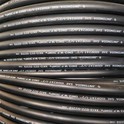
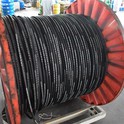
Detecting leaks in Rubber Hose EN857 is a crucial aspect of ensuring the safety and efficiency of hydraulic systems. As a supplier of Rubber Hose EN857, I understand the significance of providing high - quality products and guiding our customers on how to maintain them properly. In this blog, I will share some effective methods to detect leaks in Rubber Hose EN857.
Visual Inspection
The first and simplest method for detecting leaks in Rubber Hose EN857 is visual inspection. This is a fundamental step that can be carried out regularly. When inspecting, look for signs of wetness, discoloration, or swelling on the surface of the hose. A wet spot on the hose may indicate a small leak, as the hydraulic fluid can seep through tiny cracks or holes. Discoloration can be a result of fluid contamination or long - term exposure to high temperatures, which may also lead to weakening of the hose material and potential leaks. Swelling is another red flag, as it can be caused by internal pressure build - up due to a blockage or a problem with the hose structure.
Check the hose connections as well. Loose fittings can cause leaks, so make sure that all the nuts, bolts, and clamps are tightened properly. Look for any signs of corrosion or damage on the connectors. Corrosion can weaken the connection and allow fluid to escape. If you notice any issues during the visual inspection, it's important to address them immediately to prevent further damage.
Pressure Testing
Pressure testing is a more accurate way to detect leaks in Rubber Hose EN857. This method involves pressurizing the hose system and monitoring the pressure for any drops. First, isolate the hose that you want to test from the rest of the hydraulic system. Then, use a pressure pump to gradually increase the pressure in the hose to the recommended working pressure or a slightly higher test pressure, as specified by the manufacturer.
During the pressure test, keep a close eye on the pressure gauge. If the pressure drops steadily over a period of time, it indicates that there is a leak in the hose. You can also use a soapy water solution to help locate the leak. Spray the soapy water on the hose and its connections. If there is a leak, bubbles will form at the point where the fluid is escaping. This method is especially useful for detecting small leaks that may not be visible during a visual inspection.
It's important to note that pressure testing should be performed by a trained professional using the appropriate equipment. Incorrect pressure testing can cause damage to the hose or pose a safety risk.
Ultrasonic Leak Detection
Ultrasonic leak detection is a non - invasive method that can be used to detect leaks in Rubber Hose EN857. This technique relies on the fact that when fluid leaks through a small hole or crack, it creates a high - frequency sound wave. An ultrasonic leak detector can pick up these sound waves and convert them into an audible signal.


To use an ultrasonic leak detector, turn on the device and hold the sensor close to the hose. Slowly move the sensor along the length of the hose and its connections. When the detector picks up the ultrasonic sound of a leak, it will emit a beeping sound or show a signal on the display. This method is very sensitive and can detect even the smallest leaks.
However, ultrasonic leak detection also has its limitations. Background noise can interfere with the detection, so it's best to use this method in a quiet environment. Additionally, the detector needs to be calibrated correctly to ensure accurate results.
Thermal Imaging
Thermal imaging is another advanced method for detecting leaks in Rubber Hose EN857. When there is a leak in the hose, the escaping fluid can cause a change in the temperature of the surrounding area. A thermal imaging camera can detect these temperature differences and create an image that shows the areas of abnormal heat or cold.
To use a thermal imaging camera, aim it at the hose and its connections. Look for any hot or cold spots on the image. A cold spot may indicate a leak, as the escaping fluid can cause a cooling effect. This method is useful for detecting leaks in hard - to - reach areas or when the leak is not visible to the naked eye.
However, thermal imaging requires a certain level of expertise to interpret the images correctly. Factors such as ambient temperature, sunlight, and the type of fluid in the hose can affect the accuracy of the results.
As a supplier of Rubber Hose EN857, we offer a wide range of high - quality hoses, including Rubber Hose 1SC and Rubber Hose 2SC. Our hoses are designed to meet the strict standards of EN857, ensuring reliable performance and durability.
If you are experiencing issues with leaks in your Rubber Hose EN857 or need more information on how to detect and prevent leaks, we are here to help. Our team of experts can provide you with technical support and advice. We also offer a comprehensive range of services, including hose installation, maintenance, and replacement.
Whether you are a small business or a large industrial enterprise, we can provide you with the right Rubber Hose EN857 products and solutions to meet your needs. Contact us today to start a conversation about your requirements. We look forward to working with you to ensure the smooth operation of your hydraulic systems.
References
- "Hydraulic Hose Handbook" by Eaton Corporation
- "EN857 Standard for Rubber Hydraulic Hoses" by European Committee for Standardization
- "Leak Detection Techniques in Hydraulic Systems" by various industry research papers