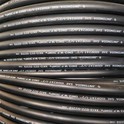
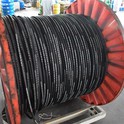
Can colored rubber hoses be used for vacuum applications? That's a question I get asked a lot as a colored rubber hose supplier. And the answer isn't as straightforward as you might think.
First off, let's talk about what a vacuum application is. In simple terms, a vacuum is a space where the pressure is lower than the surrounding atmosphere. Vacuum applications can be found in all sorts of industries, from manufacturing and automotive to food processing and medical. In these applications, hoses are used to transfer fluids or gases under vacuum conditions.


Now, when it comes to colored rubber hoses, they're often chosen for their aesthetic appeal. They come in a variety of colors, which can be useful for color - coding different systems or just for making the equipment look more visually appealing. But can they handle vacuum applications?
Factors to Consider
Material Composition
The material of the rubber hose is crucial. Colored rubber hoses can be made from different types of rubber compounds, such as natural rubber, synthetic rubber like EPDM (ethylene propylene diene monomer), or silicone. Each of these materials has different properties.
For example, natural rubber is known for its good flexibility and resilience. However, it may not be the best choice for vacuum applications because it can be prone to swelling and degradation when exposed to certain chemicals or high - temperature conditions. On the other hand, EPDM is resistant to ozone, weathering, and many chemicals. It has a relatively good temperature range, which makes it suitable for some vacuum applications, especially those where the environment is not too harsh. Silicone rubber is highly resistant to high and low temperatures, and it's also very flexible. It's often used in applications where cleanliness and heat resistance are important, such as in the food and medical industries.
Wall Thickness
The wall thickness of the colored rubber hose also plays a significant role in its ability to withstand vacuum. A thicker - walled hose is generally more resistant to collapse under vacuum. When a hose is subjected to a vacuum, the external pressure tries to crush the hose. A thicker wall provides more structural support to prevent this collapse. However, a thicker wall also means less flexibility, so it's a trade - off that needs to be considered depending on the specific application.
Reinforcement
Many colored rubber hoses are reinforced with materials like polyester, nylon, or steel wire. Reinforcement helps to increase the hose's strength and resistance to collapse under vacuum. For example, a hose reinforced with steel wire can withstand much higher vacuum levels compared to a non - reinforced hose. The type and density of the reinforcement can vary, and this affects the hose's performance in vacuum applications.
Advantages of Using Colored Rubber Hoses in Vacuum Applications
Visibility and Identification
One of the biggest advantages of colored rubber hoses in any application, including vacuum applications, is the ease of identification. In a complex system with multiple hoses, it can be very difficult to tell which hose is which. Colored hoses make it much easier to distinguish between different lines, which can improve safety and efficiency. For example, in a manufacturing plant, you can use different colored hoses for different types of fluids or gases, making it clear at a glance what each hose is carrying.
Flexibility
Colored rubber hoses are generally quite flexible. This flexibility makes them easy to install in tight spaces or around corners. In vacuum applications, where the hose may need to be routed through complex machinery or equipment, flexibility is a huge advantage. It allows for a more customized installation, reducing the need for additional fittings and joints.
Limitations
Collapse Risk
As mentioned earlier, one of the main limitations of using colored rubber hoses in vacuum applications is the risk of collapse. If the hose is not properly designed or reinforced, it can collapse under the vacuum pressure, blocking the flow of fluids or gases. This can lead to system failures and costly downtime.
Chemical Compatibility
Another limitation is chemical compatibility. Depending on the application, the hose may come into contact with different chemicals. If the rubber material of the colored hose is not compatible with these chemicals, it can degrade over time, leading to leaks or even complete failure of the hose.
Applications Where Colored Rubber Hoses Can Be Used
Low - Vacuum Applications
In low - vacuum applications, colored rubber hoses can often be used effectively. For example, in some laboratory setups where the vacuum level is relatively low, a colored EPDM or silicone hose can work just fine. These hoses can provide the necessary flexibility and visibility while still being able to handle the low - level vacuum.
Short - Term or Intermittent Use
Colored rubber hoses can also be suitable for short - term or intermittent vacuum applications. For instance, in a small - scale manufacturing process where the vacuum is only applied for a short period of time, a colored hose may be a cost - effective solution.
Applications Where Caution Is Needed
High - Vacuum Applications
In high - vacuum applications, extreme caution is needed when considering using colored rubber hoses. High - vacuum conditions require hoses that are specifically designed to withstand the high - pressure differentials. Specialized hoses with high - strength reinforcements and thick walls are usually required. In these cases, it may be better to consult with a hose expert to ensure that the hose can handle the high - vacuum levels.
Harsh Chemical Environments
If the vacuum application involves exposure to harsh chemicals, colored rubber hoses need to be carefully selected. As mentioned earlier, not all rubber materials are compatible with all chemicals. For example, in a chemical processing plant where strong acids or bases are present, a colored rubber hose made from a material that is not resistant to these chemicals will quickly degrade.
Related Products
If you're in the market for hoses related to vacuum applications or other low - pressure systems, we also offer some great products. Check out our Propane Low Pressure Hose, which is designed for safe and efficient transfer of propane under low - pressure conditions. We also have Low Pressure Hose Fittings that are essential for connecting hoses in a low - pressure system. And if you need to crimp hoses, our Low Pressure Hose Crimping Machine can help you get the job done accurately and efficiently.
Conclusion
So, can colored rubber hoses be used for vacuum applications? The answer is yes, but with some caveats. It depends on the specific application, including the vacuum level, the chemicals involved, and the duration of use. If you're considering using colored rubber hoses in a vacuum application, it's important to carefully evaluate the factors mentioned above.
As a colored rubber hose supplier, I'm here to help you make the right choice. If you have any questions about which colored rubber hose is suitable for your vacuum application, or if you're interested in any of our related products, don't hesitate to reach out. We can discuss your specific needs and provide you with the best solutions. Contact us to start the procurement process and let's work together to find the perfect hoses for your application.
References
- "Handbook of Rubber Technology" by A. Y. Coran
- "Rubber Compounding: Principles, Materials, and Techniques" by Maurice Morton