Can Rubber Hose 1SC be used in industrial settings?
Hey there! As a supplier of Rubber Hose 1SC, I often get asked if this type of hose can hold up in industrial settings. Well, let's dive right into it and find out.
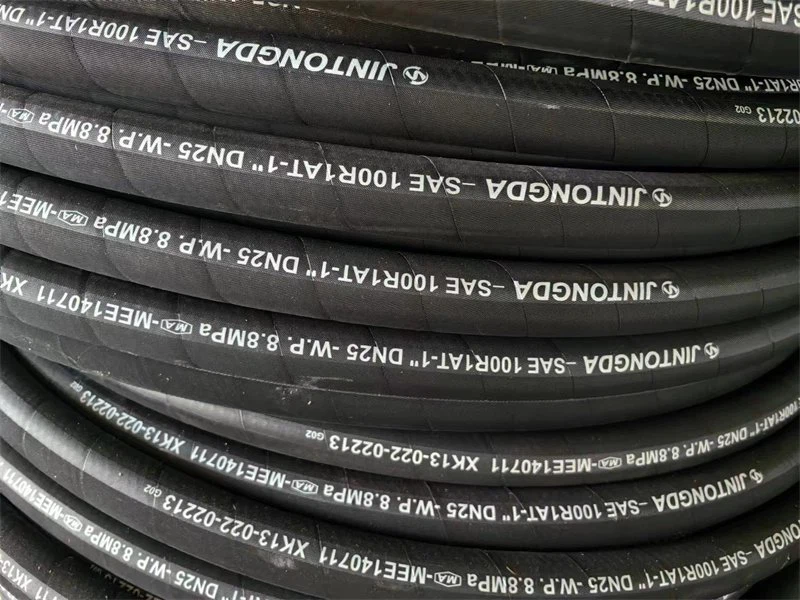
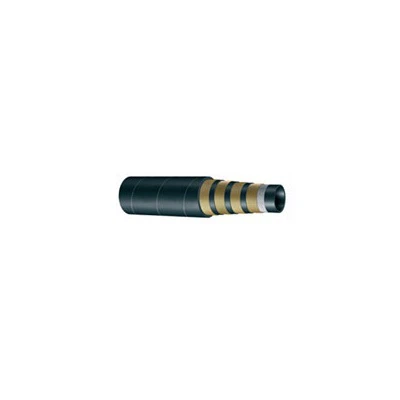
First off, let's talk about what Rubber Hose 1SC is. It's a type of hydraulic rubber hose that's designed to handle specific pressures and fluids. The "1SC" designation tells us a bit about its construction and performance capabilities. It's built to meet certain industry standards, which is super important when you're using it in an industrial environment.
One of the key factors in determining if a rubber hose can be used industrially is its pressure rating. Rubber Hose 1SC is engineered to withstand moderate to high pressures, depending on its specific specifications. In industrial settings, there are often hydraulic systems that require hoses to handle significant pressure to operate machinery effectively. Whether it's in manufacturing plants, construction sites, or agricultural equipment, the ability to handle pressure is crucial. For instance, in a manufacturing plant where hydraulic presses are used, a hose that can't handle the pressure will quickly fail, leading to downtime and costly repairs.
Another aspect is the type of fluid the hose is going to carry. Rubber Hose 1SC is typically compatible with a variety of hydraulic fluids, such as mineral oil, water - glycol, and synthetic fluids. In industrial applications, different machines use different types of fluids, and the hose needs to be chemically resistant to avoid degradation. For example, in a mining operation, the hydraulic systems might use a specific synthetic fluid to ensure better performance in harsh conditions. A rubber hose that isn't compatible with this fluid will deteriorate over time, reducing its effectiveness and potentially causing leaks.
The temperature resistance of Rubber Hose 1SC is also a big deal in industrial settings. Industrial environments can have extreme temperatures, from the cold of outdoor winter construction sites to the high heat near furnaces in manufacturing. This hose is designed to function within a certain temperature range. If it's exposed to temperatures outside of this range, it can become brittle in the cold or soften and lose its shape in the heat. This is why it's important to choose the right type of Rubber Hose 1SC based on the temperature conditions of the industrial application.
Now, let's compare Rubber Hose 1SC with some other similar hoses. Check out the Rubber Hose 1SN. While 1SC and 1SN are both hydraulic rubber hoses, they have some differences. 1SN is another popular option in industrial settings, but it might have different pressure ratings and construction features. Depending on your specific needs, one might be a better choice than the other.
Then there's the Rubber Industry Hose. This is a more general term for hoses used in the rubber industry, and it can include various types, including 1SC. However, the "Rubber Industry Hose" category might have a wider range of hoses with different properties, so it's important to understand which one is best for your particular industrial task.
And don't forget about the Rubber Hose 4SH. This hose is designed for high - pressure applications. If you have an industrial process that demands extremely high pressure, the 4SH might be more suitable. But for many standard industrial applications, Rubber Hose 1SC offers a great balance of performance and cost - effectiveness.
In addition to its technical capabilities, Rubber Hose 1SC is also known for its durability. In industrial settings, hoses are often exposed to rough handling, abrasion, and vibration. This hose is built with layers of reinforcement, such as braided or spiraled materials, to make it tough and resistant to damage. Whether it's being dragged across the floor during installation or subjected to constant movement in a machine, the 1SC can take a beating and keep working.
When it comes to installation, Rubber Hose 1SC is relatively easy to work with. It can be cut to the desired length and connected to fittings using standard tools. This makes it a convenient choice for industrial maintenance teams, who need to be able to quickly replace or install hoses to minimize downtime.
However, it's important to note that proper maintenance is still crucial. Regular inspections for signs of wear, such as cracks or leaks, should be carried out. Also, making sure the hose is installed correctly and not kinked or bent beyond its recommended radius is essential for its long - term performance.
So, to answer the question, can Rubber Hose 1SC be used in industrial settings? The answer is a big yes! With its ability to handle pressure, compatibility with various fluids, temperature resistance, durability, and ease of installation, it's a great option for a wide range of industrial applications.
If you're in the market for Rubber Hose 1SC for your industrial project, I'd love to chat with you. We can discuss your specific requirements and make sure you get the right hose for the job. Whether you're in the manufacturing, construction, mining, or any other industry, we've got you covered.
References
- Industry standards for hydraulic rubber hoses
- Technical specifications of Rubber Hose 1SC
- Research on the performance of rubber hoses in industrial environments