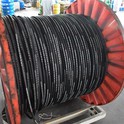
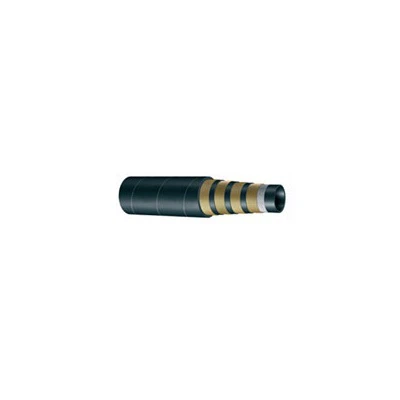
As a supplier of Rubber Hose EN856, I understand the critical importance of ensuring the long - term performance of these hoses. Rubber Hose EN856 is widely used in various hydraulic systems due to its high - pressure resistance and flexibility. In this blog, I will share some key strategies to ensure the long - term performance of Rubber Hose EN856.
1. Proper Installation
The first step in ensuring the long - term performance of Rubber Hose EN856 is proper installation. Incorrect installation can lead to premature failure of the hose. When installing the hose, it is essential to ensure that it is not kinked or twisted. Kinks and twists can restrict the flow of fluid through the hose, causing increased pressure and potential damage to the hose structure.
Moreover, the hose should be installed with the appropriate fittings. The fittings must be compatible with the hose in terms of size, material, and pressure rating. Using incompatible fittings can result in leaks and reduced performance. For example, if the fitting is too large or too small for the hose, it may not create a proper seal, leading to fluid leakage.
Also, when installing the hose, it is important to consider the operating environment. The hose should be installed away from sharp edges or objects that could potentially damage the outer cover. Additionally, if the hose is exposed to extreme temperatures, proper insulation or protection should be provided.
2. Regular Inspection
Regular inspection is crucial for maintaining the long - term performance of Rubber Hose EN856. Inspections should be carried out at regular intervals, depending on the frequency of use and the operating conditions of the hose.
During the inspection, the outer cover of the hose should be checked for signs of wear, cuts, abrasions, or bulges. Any damage to the outer cover can expose the inner layers of the hose to harmful substances, such as chemicals or moisture, which can accelerate the degradation of the hose.
The fittings of the hose also need to be inspected. Check for loose connections, signs of corrosion, or any damage to the fitting threads. Loose fittings can cause leaks, and corroded fittings can reduce the overall integrity of the connection.
In addition to the visual inspection, pressure tests can also be conducted periodically to ensure that the hose can withstand the required operating pressure. Pressure tests can help detect any potential weaknesses in the hose structure that may not be visible during a visual inspection.
3. Correct Storage
Proper storage of Rubber Hose EN856 is essential when the hose is not in use. Incorrect storage can lead to premature aging and degradation of the hose.
The hose should be stored in a cool, dry, and well - ventilated area. Exposure to direct sunlight, high temperatures, and humidity can cause the rubber to deteriorate. The ideal storage temperature range is between 5°C and 30°C.
When storing the hose, it should be stored in a straight position or coiled loosely. Avoid tightly coiling the hose, as this can cause internal stress and potentially damage the hose structure. Additionally, the hose should be protected from contact with sharp objects or chemicals during storage.
4. Compatibility with Fluids
Rubber Hose EN856 is designed to work with specific types of fluids. Using the hose with incompatible fluids can lead to chemical reactions that can damage the hose.
Before using the hose, it is important to ensure that the fluid being transported is compatible with the rubber material of the hose. The manufacturer's specifications should be consulted to determine the appropriate fluid compatibility. For example, some hoses are designed specifically for use with hydraulic oil, while others may be suitable for water - based fluids.
If the hose is used with an incompatible fluid, the rubber may swell, crack, or degrade, leading to reduced performance and potential failure. Therefore, always follow the recommended fluid compatibility guidelines.
5. Operating Conditions Management
Managing the operating conditions of Rubber Hose EN856 is crucial for its long - term performance. The hose should not be operated beyond its specified pressure and temperature limits.
Exceeding the pressure rating of the hose can cause the inner layers to separate, leading to a bulge or burst. Similarly, operating the hose at temperatures outside the recommended range can cause the rubber to harden or become too soft, reducing its flexibility and strength.
In addition, the flow rate of the fluid through the hose should also be within the recommended limits. High flow rates can cause excessive turbulence and pressure drops, which can put additional stress on the hose.
6. Training for Users
Providing training for the users of Rubber Hose EN856 is an important aspect of ensuring its long - term performance. Users should be educated about the proper installation, inspection, and maintenance procedures of the hose.

Training can help users identify potential problems early and take appropriate actions to prevent hose failure. For example, users should be trained to recognize the signs of wear and damage during inspections and know when to replace the hose.
Moreover, training can also help users understand the importance of following the operating conditions and fluid compatibility guidelines. By providing comprehensive training, we can ensure that the users are using the hose correctly and maximizing its lifespan.
Related Products
If you are also interested in other types of rubber hoses, we offer a wide range of products, including Rubber Hose EN853, Rubber Hose 4SH, and Rubber Hose 4SP. These hoses also meet high - quality standards and are suitable for various hydraulic applications.
Conclusion
In conclusion, ensuring the long - term performance of Rubber Hose EN856 requires a combination of proper installation, regular inspection, correct storage, compatibility with fluids, management of operating conditions, and training for users. By following these strategies, we can significantly extend the lifespan of the hose and reduce the risk of failure.
If you are interested in purchasing Rubber Hose EN856 or any of our other products, please feel free to contact us for more information and to discuss your specific requirements. We look forward to working with you to meet your hydraulic hose needs.
References
- Hydraulic Hose Handbook, various editions
- Standards and Guidelines for Rubber Hoses in Hydraulic Systems, industry - specific publications
- Manufacturer's Technical Documentation for Rubber Hose EN856